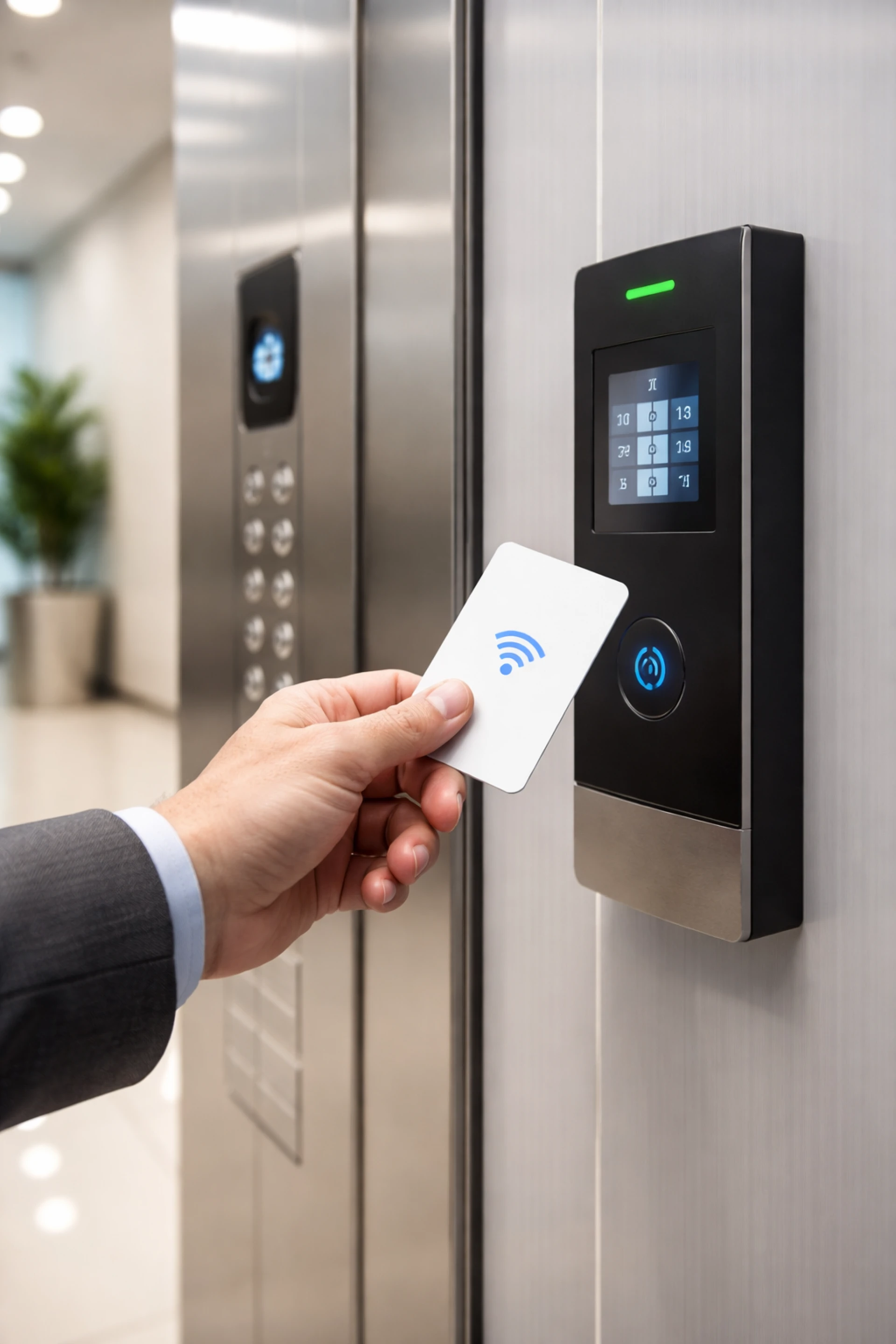

Workplace security is now at the top of the list for organisations of all sizes. Offices, factories, warehouses, and corporate buildings have valuable assets and the security of employees. Without a proper system in place to manage entry and exit, businesses can be at risk of theft and security breaches. This is where access control security systems play a vital role. These systems enable organisations to manage who can access certain areas of the building and at what time. Instead of using physical locks and keys, organisations can now use digital credentials and security systems to protect their workplaces.
Understanding Access Control in the Workplace
Access control security systems are intended to regulate and monitor access to a building, room, or area. Access control ensures that only authorised individuals can gain access to certain areas in the organisation. In a typical office setting, employees, guests, and contractors may have different levels of access.
Key Ways Access Control Systems Improve Workplace Security
Access control technology has several advantages that improve the security of the workplace.
1. Prevents Unauthorised Entry
The most important advantage of using access control technology is that it can be set up to limit the number of authorised individuals entering the premises. Without access control, any individual can gain access to the workplace building, which can lead to security breaches and theft. The access control system can be set up to ensure that unknown individuals do not gain access to the premises. Additionally, the system can be set up to limit the number of individuals with certain access privileges. For example:
•IT individuals can be granted access to the server rooms
•Individuals in the HR department can be granted access to the document storage rooms
2. Eliminates the Problems of Traditional Keys
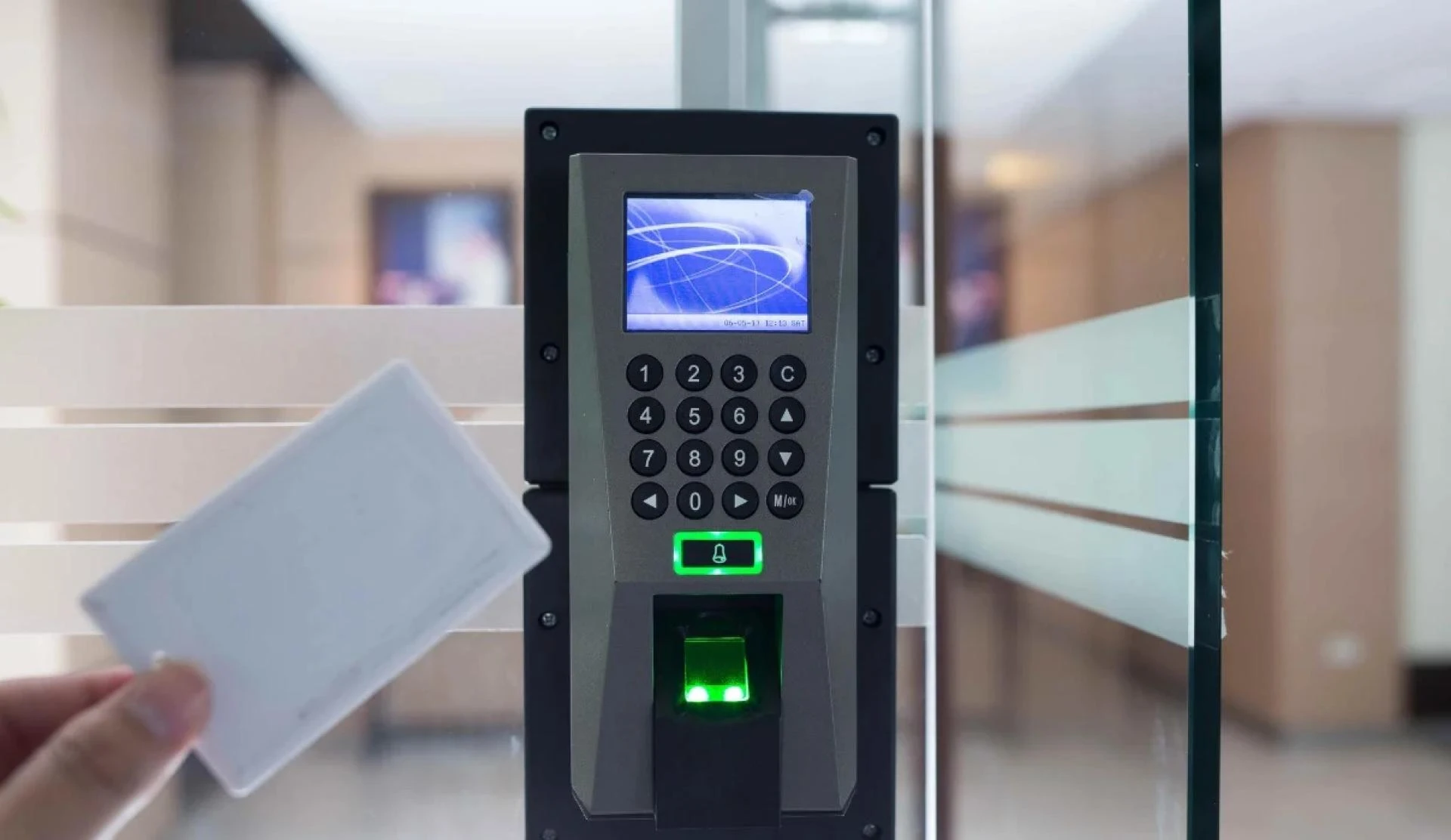
Conventional lock and key systems have several security issues. Keys can be misplaced, copied, or stolen. If the keys go missing, the entire system has to be replaced. Digital access systems solve these issues. If the access card is misplaced or the employee leaves the company, the access can be revoked in a matter of seconds. This means there is no need to change the locks. This allows the company to have complete control at all times.
3. Tracks Entry and Exit Activity
Another important feature of modern access systems is activity tracking. Every time a person enters a secured area, the access system records this activity. This includes a record of who was in a certain area, the time of entry, the time of exit, and the area of entry. For instance, if some equipment goes missing, the access system helps identify who was in the area at a certain time. Such visibility helps improve the security of a workplace.
4. Improves Employee Safety
Workplace security is not only about protecting resources, but also about protecting people. Access systems help ensure that only legitimate people are within a certain area of a workplace. This includes scenarios such as:
•Corporate offices
•Manufacturing plants
•Research facilities
•Data centres
Such systems improve the safety of a workplace because they ensure that no security threats are within the premises of a company. In emergency situations, access logs can be used to determine who is inside the building, facilitating evacuation and safety checks.
5. Protects Sensitive Data and Assets
Most organisations store critical data or information. In such situations, access control systems help prevent such data from being compromised by internal or external threats. Access control systems help organisations protect critical areas such as:
•Server rooms
•Data centres
•Financial departments
•Storage areas for expensive equipment
Only approved staff are allowed to access these areas. This minimises any chances of data theft or corporate espionage. Security experts advise organisations to deploy multiple security systems such as digital access control systems, CCTV systems, and alarm systems.
6. Enhances Visitor Management
Visitors such as clients or contractors are frequent visitors to organisations. In such situations, it becomes difficult to keep track of visitors who enter the building or the purpose for which they are visiting the premises. Access control systems can be integrated with visitor management systems to ensure that visitors are allowed to enter the building after being logged in by the reception staff. This process involves:
•Visitors are logged in to the system
•Visitors are allowed to access specific areas
•Access is revoked after a certain period
As a result of this, organisations are able to have full control over the movements of non-employees within the building.
7. Supports Modern Workplace Automation
Today, most businesses use various security systems in their operations. As a result, various organisations have combined access control systems with other security systems to form a single workplace security system. For instance, an access control system may integrate with the following systems:
•CCTV surveillance systems
•Alarm systems
•Elevator access control
•Attendance and time tracking software
As a result of the integration of these systems with an access control system, an organisation can easily manage its security through a single platform.
Final Thoughts
Workplace security is more than just locks and security officers. Modern organisations need smarter systems that can monitor entry, restrict access and maintain detailed security records. Access control technology offers an effective solution by allowing businesses to regulate who enters specific areas and track workplace movement.
























Sign in to leave a comment.