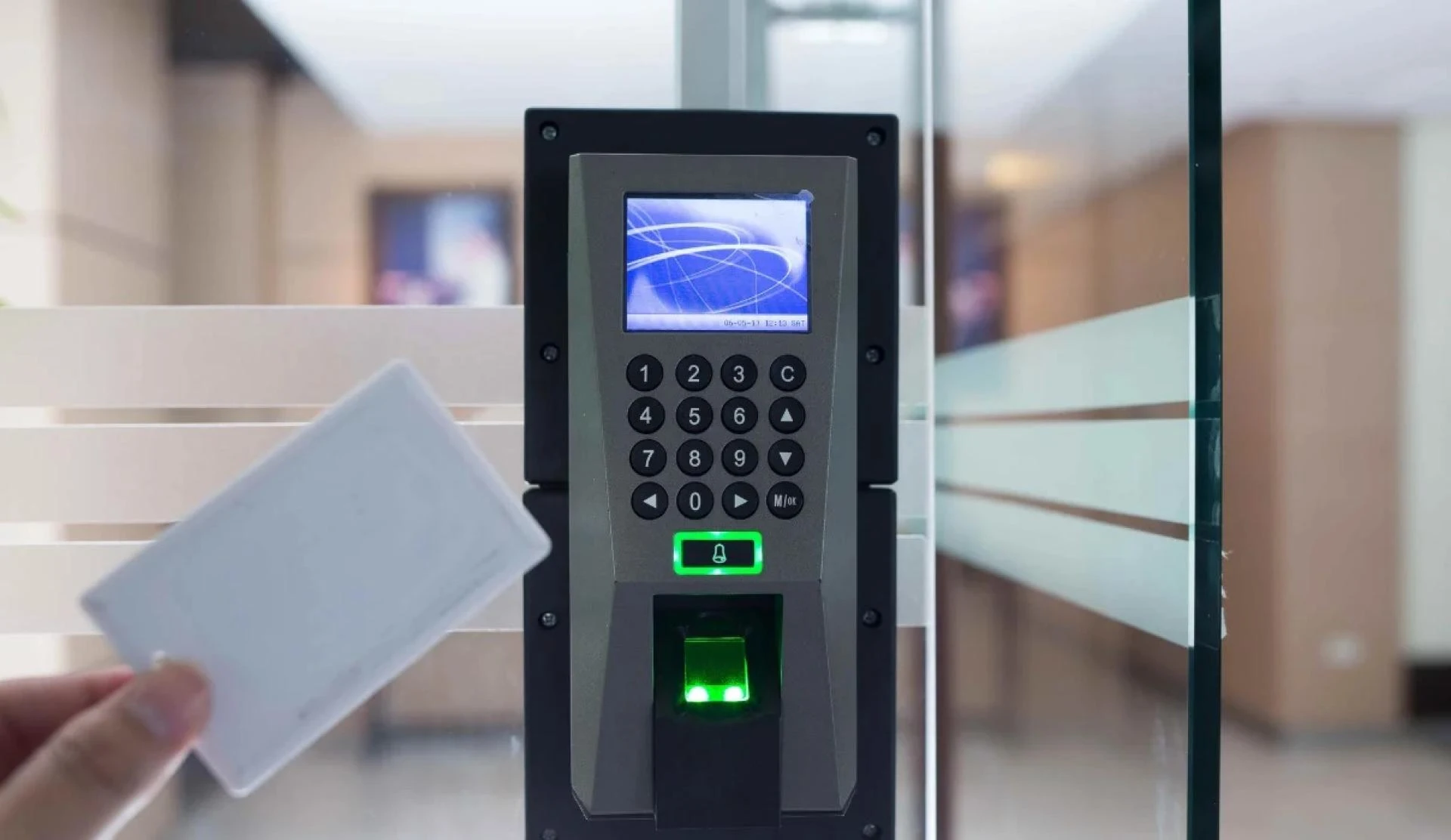

In both contemporary commercial and residential constructions, security expectations are escalating, yet the end-user anticipates an expedited, comfortable, and easier experience. Lift access control is placed on this intersection. When done improperly, it will irritate people, reduce productivity, and create difficulties in running daily activities. When done properly, it is good to enhance security without disturbance to the user experience, which is smooth and intuitive. The actual problem is to provide high access control without feeling that citizens are restricted or burdened.
Understanding User Convenience in Vertical Mobility
The ease of the lift systems used by users not only entails speedy travel among levels. It consists of a lack of waiting time, easy authentication, simple instructions, and known system behaviour. Even a couple of seconds added to each visit can cause congestion and inconvenience in a busy building such as a workplace, hospital, shopping centre, or residential high-rise. Designing lift access control should then commence with an understanding of the way people move, when they move, and what degree of security is realistically necessary.
A Balance Between Security Requirements and Everyday Use
Each floor or group of users does not necessarily need the same degree of control. Over-security in any area may cause unnecessary delays and inspections. A properly structured system uses rules of access selectively. Popular or semi-public floors do not need to be secure; instead, areas that are sensitive, like executive offices, server rooms, or residential levels, are secured. Such a strata will be secure where it is needed most, without delaying the normal flow of movements.
Selecting Simple and Common Authentication Techniques
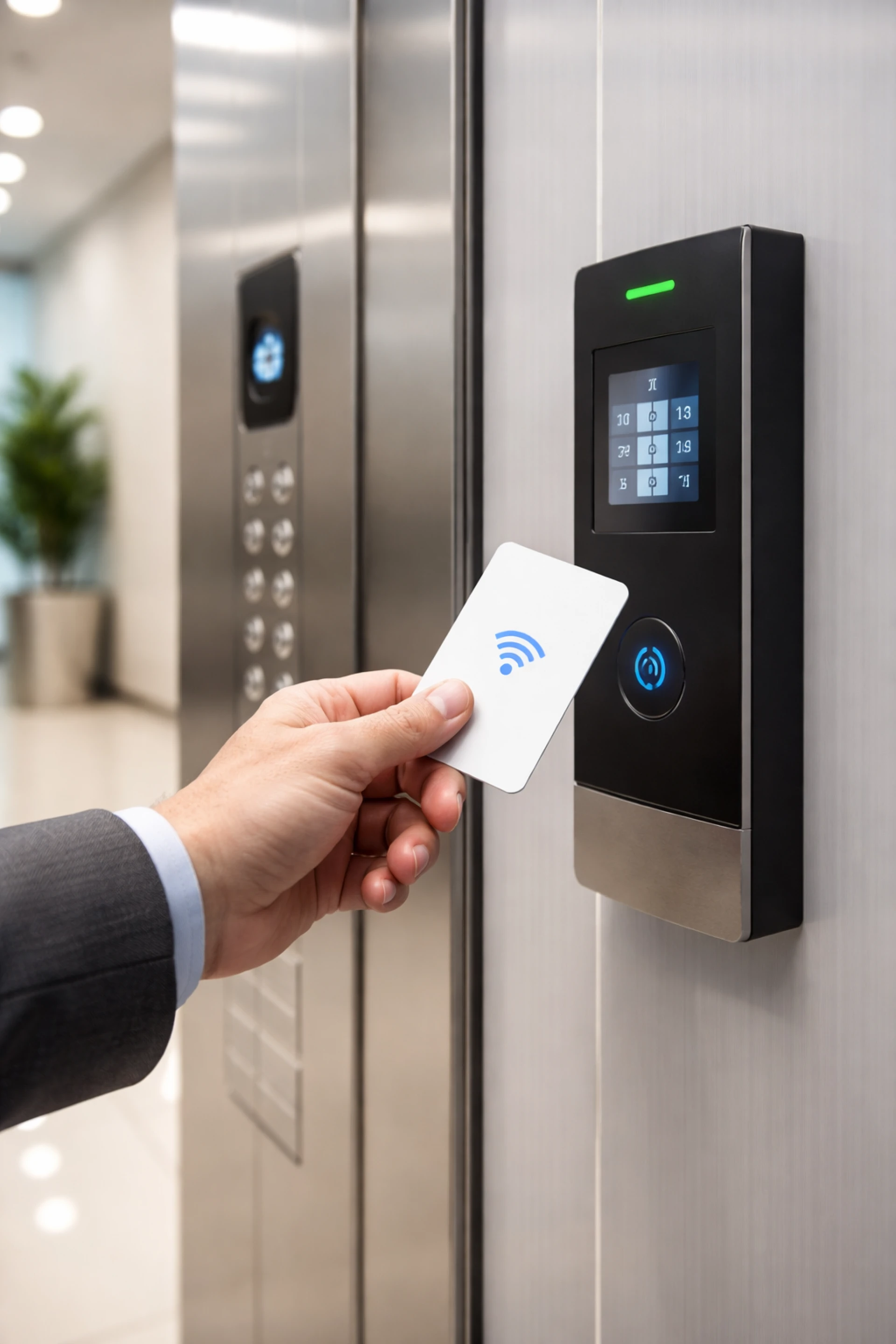
For the user, convenience is enhanced when they are not directed to learn new or complicated behaviours. Common authentication procedures such as access cards, mobile solutions, or biometrics minimize friction. The key is consistency. When the same credential operates at entry points, parking areas, and lifts, users perceive the system as something not limiting but easy to use. A well-executed lift access system can be virtually unnoticeable to the common inhabitants and implement strict access rules.
Easing Traffic During Rush Times
Peak-hour traffic belongs to the category of the greatest tests of user convenience. Lifts may get overloaded when access control is not planned during morning arrivals, lunch breaks, and evening exits. The various things in the design strategies, which are destination-based lift grouping, time-based permissions, and floor clustering, are very useful in the distribution of traffic. This is achieved by reducing the number of people present and the time on wait, ensuring access control in the background.
Effective Graphic Interface and User Instructions
Confusion often leads to frustration, not security itself. Bad signs, inadequate signs, or unequal permissions on the floor make system users feel that the system is challenging. Visual indicators, such as enabled floor buttons, display messages, or indicator lighting, can allow the user to know what is going on without being assisted. The rise in awareness of the floor levels they can access makes the transactions with the lift quicker and more assured.
Integrating Access Control with Building Design
Access control is better when implemented at early stages of the building design rather than being included at a later stage. Locations of the card readers, biometric scanners, or even control panels should not be obtrusive. Having a bad position may lead to crowding around lift doors or preventing entry into a permanent location. The arrangements made by the architects, security experts, and lift companies at the initial stages of the project ensure that access control does not stop but enhances movement flow.
Supporting the Various User Groups with Ease
Different types of users, including employees, residents, visitors, vendors, and maintenance staff servers are found in large buildings. Accessibility needs are different among groups and their familiarity with the building. Creation of flexible access profiles enables ordinary users to move swiftly, as visitors are redirected to authorized floors smoothly. Access can temporarily be time-based, which does not add any inconvenience to long-term security.
Assuring Reliability and System Speed
The most user-friendly design cannot perform well in case of slowness or system unreliability. Authentication slowness, system slowdowns, or reader malfunctions will have an instant effect on convenience. Quality hardware and software must be provided with maintenance planning. When a system is functioning well, a user hardly pays attention to it, but once it is not functioning, the user notices it at once.
Privacy and User Trust
The other psychological convenience is convenience. Users should be of the view that the access control does not infringe their privacy. Access to clear information regarding the type of data gathered, its use, and its access by third parties creates trust. When users feel secure in the system, they will be more likely to collaborate with it more naturally and may not attempt to bypass it.
Planning for Scalability and Change
Buildings evolve with time. The tenants vary, the teams increase, and the patterns of use also change. Designing a system that is flexible and can accommodate changes without significant inconveniences can secure long-term convenience. Access control rules can be scaled, and easy credential management can significantly simplify administrative load and ensure that constant changes do not cause much frustration.
Final Thoughts
The lift access control has to be designed as an intelligent balance between security, technology, and human behaviour without affecting user convenience. The structures would get a high level of access control without interfering with the normal flow of day-to-day activities by focusing on intuitive authentication, smart zoning, effective traffic management, and clear communication. Properly designed lift access control is both efficient and quiet in improving user safety and thus is an extension of the building experience rather than a burden.






















Sign in to leave a comment.