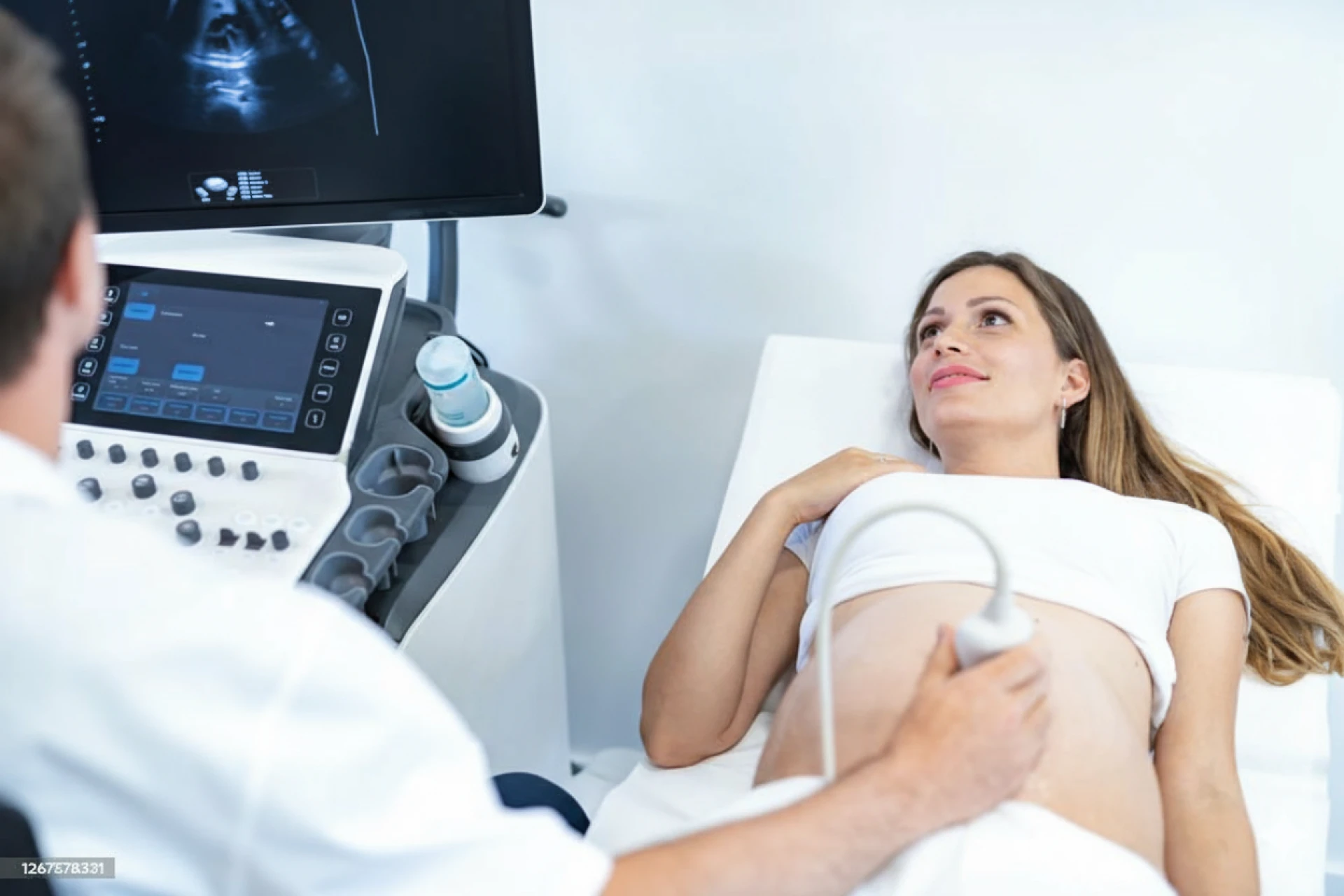

Prenatal screenings play a vital role in monitoring the health of a developing baby and providing expectant parents with crucial information. With advances in medical technology, several screening options are now available, each offering different levels of accuracy, safety, and timing. Among these, the Harmony test has become a popular choice for early detection of certain chromosomal conditions. Understanding its accuracy compared to other prenatal screening methods can help parents make informed decisions.
Traditional Prenatal Screening Methods
Before exploring the Harmony test, it’s important to understand the standard prenatal screening options:
- Combined First-Trimester Screening (CFTS):
- This screening combines a blood test and an ultrasound measurement of the nuchal translucency (the fluid at the back of the baby’s neck) to assess the risk of trisomy 21 (Down syndrome) and trisomy 18. It is typically performed between 11 and 14 weeks of pregnancy. The accuracy for detecting Down syndrome is approximately 85–90%, but false positives can occur, which may lead to further testing.
- Quadruple (Quad) Test:
- Conducted during the second trimester, usually between 15 and 20 weeks, this blood test measures four substances in the mother’s blood to estimate the risk of chromosomal abnormalities. The Quad test is less accurate than first-trimester combined screening, with detection rates around 81–85% for Down syndrome.
- Invasive Diagnostic Tests:
- Procedures like amniocentesis or chorionic villus sampling (CVS) provide a definitive diagnosis by analyzing fetal cells. While nearly 100% accurate, they carry a small risk of complications, including miscarriage. As a result, these tests are typically reserved for pregnancies with higher risk factors or abnormal screening results.
Introducing the Harmony Test
The Harmony test is a non-invasive prenatal screening (NIPT) that analyzes fetal DNA circulating in the mother’s blood. It is designed to detect common chromosomal conditions, including:
- Trisomy 21 (Down syndrome)
- Trisomy 18 (Edwards syndrome)
- Trisomy 13 (Patau syndrome)
- Sex chromosome anomalies
Because the test relies on cell-free fetal DNA, it can be performed as early as 10 weeks into pregnancy. This early timing, combined with advanced DNA sequencing technology, sets it apart from traditional screening methods.
Accuracy of the Harmony Test
The Harmony test is known for its high sensitivity and specificity:
- Trisomy 21: The test has a detection rate exceeding 99%, which is significantly higher than traditional first-trimester screenings.
- Trisomy 18 and 13: Detection rates are approximately 97–99%, offering reassurance for parents concerned about these conditions.
- Sex Chromosome Aneuploidies: While slightly less accurate than trisomy detection, results are generally reliable for common sex chromosome anomalies.
The false-positive rate of the Harmony test is extremely low—less than 0.1% for trisomy 21, reducing unnecessary anxiety and the need for invasive follow-up tests.
Comparison with Other Prenatal Screenings
When compared to traditional screening methods, the Harmony test stands out in several key areas:
- Higher Accuracy:
- Traditional combined first-trimester screening has detection rates around 85–90%, whereas the Harmony test exceeds 99% for Down syndrome. This difference significantly reduces the likelihood of false positives.
- Earlier Detection:
- While CFTS is performed around 11–14 weeks, the Harmony test can be done as early as 10 weeks, providing earlier reassurance to parents.
- Non-Invasive Nature:
- Unlike amniocentesis or CVS, the Harmony test requires only a blood sample, eliminating the small but real risk of miscarriage associated with invasive procedures.
- Focused Screening:
- While traditional tests often require multiple assessments or a combination of measurements, the Harmony test provides a streamlined approach that delivers precise risk assessment in one session.
Limitations to Consider
Despite its advantages, it is important to understand the limitations of the Harmony test:
- Screening, Not Diagnosis: Although highly accurate, the Harmony test is still considered a screening tool. A high-risk result should be confirmed with diagnostic testing.
- Not Comprehensive: The test does not detect all genetic disorders, structural abnormalities, or conditions unrelated to the chromosomes it screens.
- Maternal Factors: In some cases, maternal weight, twin pregnancies, or low levels of fetal DNA in the blood can slightly affect accuracy.
Making the Right Choice
Choosing the most appropriate prenatal screening method depends on several factors, including maternal age, personal and family medical history, and the desire for early information. For many parents, the Harmony test offers a compelling balance of early detection, high accuracy, and safety, particularly for those seeking reassurance without the risks associated with invasive procedures.
Healthcare providers can help interpret results and determine whether additional diagnostic testing or follow-up scans are necessary. Combining expert guidance with advanced technology ensures that parents have the information they need to make informed decisions about their pregnancy.
Key Takeaways
- The harmony test is highly accurate, with detection rates exceeding 99% for Down syndrome, outperforming traditional first-trimester screenings.
- It is non-invasive, safe, and can be performed as early as 10 weeks into pregnancy.
- While highly reliable, it is still a screening tool and may require follow-up diagnostic testing for high-risk results.
- Compared to other prenatal screenings, it offers earlier reassurance, minimal risk, and a streamlined approach for detecting common chromosomal conditions.
Conclusion
In the evolving landscape of prenatal care, the Harmony test represents a significant advancement in screening for chromosomal abnormalities. Its high accuracy, early timing, and non-invasive nature provide expectant parents with valuable insights and peace of mind. While traditional screenings and invasive diagnostic tests still play important roles, the Harmony test offers a modern, reliable, and convenient option for those seeking early and accurate information about their baby’s health.
Read More Related Blogs
What is the Harmony test and how does it work?
Does the Harmony test reveal baby’s gender too?
































Sign in to leave a comment.