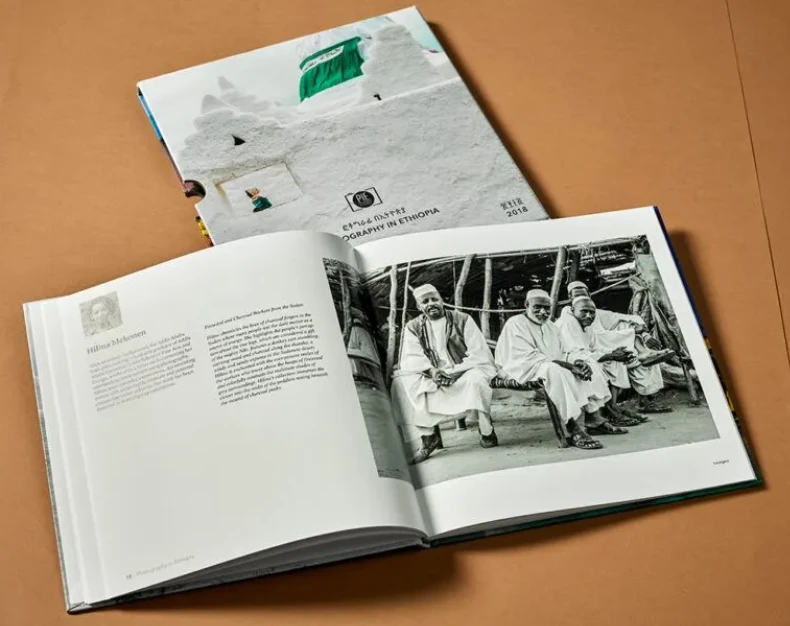

Photography coffee table books are more than just collections of images they are curated experiences that capture the essence of art, storytelling, and design. One of the most important yet often overlooked aspects of producing these books is the choice of page thickness. Selecting the right paper weight can affect durability, visual appeal, and the tactile experience, all of which contribute to the perceived quality of the final product.
Why Page Thickness Matters
The thickness of a page, typically measured in grams per square meter (gsm), determines how the book feels in the hands, how well it withstands wear, and how effectively it showcases images. Thin pages can feel fragile and may cause ink to bleed through, diminishing the overall quality of a coffee table book. Conversely, excessively thick pages can make the book cumbersome and difficult to handle, while also increasing production costs.
Choosing the ideal page thickness is a balance between aesthetic appeal, functionality, and longevity. For high-quality photography books, the right thickness ensures that every image appears vibrant and sharp, while the book remains durable enough to last for years.
Standard Page Thickness for Photography Books
Most professional coffee table books use paper with a thickness ranging between 150 gsm and 250 gsm. Within this range, several factors influence the ideal choice:
- Image Type: High-resolution photographs with rich colors often benefit from heavier paper (200–250 gsm), as it minimizes show-through and maintains color integrity.
- Binding Type: Hardcover books can support slightly lighter pages without compromising durability, while softcover or perfect-bound books may require thicker pages for structural integrity.
- Intended Use: Books meant for frequent handling, such as exhibition catalogs, typically need sturdier paper compared to limited-edition art books that are primarily for display.
Advantages of Heavier Pages
Choosing a thicker page offers several benefits for a coffee table book:
- Enhanced Durability: Thick pages resist bending, creasing, and tearing, ensuring that the book maintains its quality over time.
- Better Image Presentation: Heavier paper provides a more consistent surface for printing, which enhances the clarity, depth, and saturation of photographs.
- Premium Feel: The tactile sensation of a sturdy page adds to the perceived value of the book, making it more appealing to collectors and art enthusiasts.
However, it is essential to balance thickness with practicality. Excessively heavy pages can increase the overall weight of the book, making it difficult to handle or display.
Printing Techniques and Paper Finish
The choice of paper finish also interacts with page thickness. Matte, glossy, or satin finishes can influence the perception of weight and texture. For instance, glossy finishes on heavier paper can make photographs appear more vivid, while matte finishes offer a sophisticated, understated look.
Professional coffee table book printing services can guide clients in selecting the optimal combination of page thickness and finish to achieve the desired visual and tactile effects. Using the right inks, coatings, and printing techniques further enhances the book’s longevity and overall appeal.
Cost Considerations
While thicker paper improves durability and presentation, it also impacts production costs. Heavier pages require more material, may necessitate stronger binding, and can increase shipping costs due to added weight. For brands or individuals producing limited-edition photography books, investing in thicker pages often justifies the expense, as the premium quality aligns with audience expectations.
Working with an experienced printing partner ensures that these considerations are balanced effectively, helping to produce a book that is both visually striking and practical.
Partnering with Professional Printing Services
A professional coffee table book printing provider, such as Printery Dubai, offers expertise in paper selection, printing technology, and binding methods. Their approach emphasizes customization, ensuring that every book is treated as a unique art piece. By carefully matching page thickness, paper finish, and printing technique, they help clients create coffee table books that not only showcase photographs beautifully but also endure for years.
Conclusion
Selecting the ideal page thickness is a critical decision in producing high-quality photography coffee table books. By balancing durability, image quality, handling experience, and cost, businesses and artists can ensure their work is presented in the most effective and visually compelling way. Partnering with professional printing services allows for expert guidance, helping to transform creative vision into a tangible, premium-quality product that captivates readers and stands the test of time.
Read More Related Blogs
Why do luxury brands publish coffee table books as part of their marketing?
How Can Small Businesses in Dubai Use Business Cards Effectively?































Sign in to leave a comment.