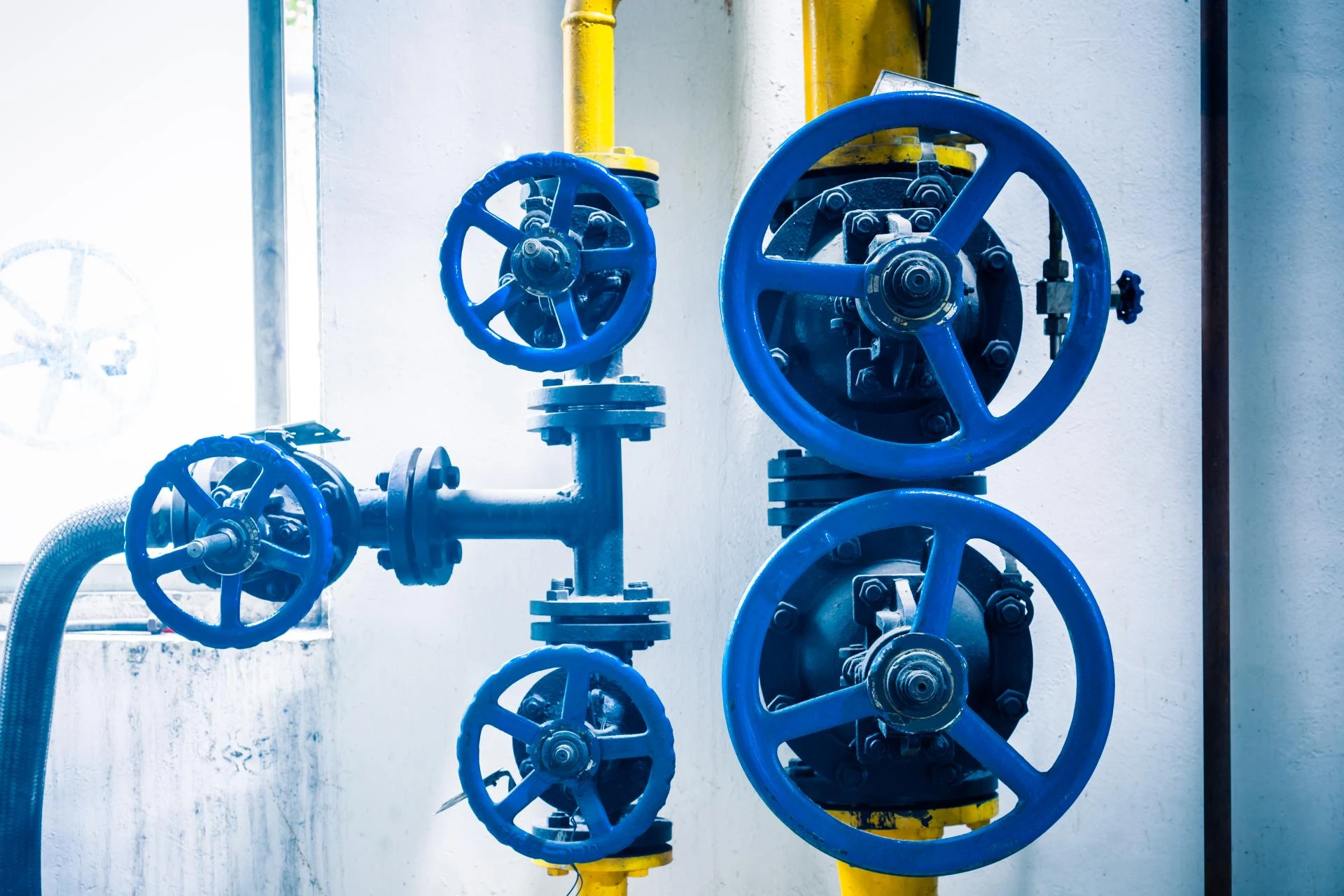

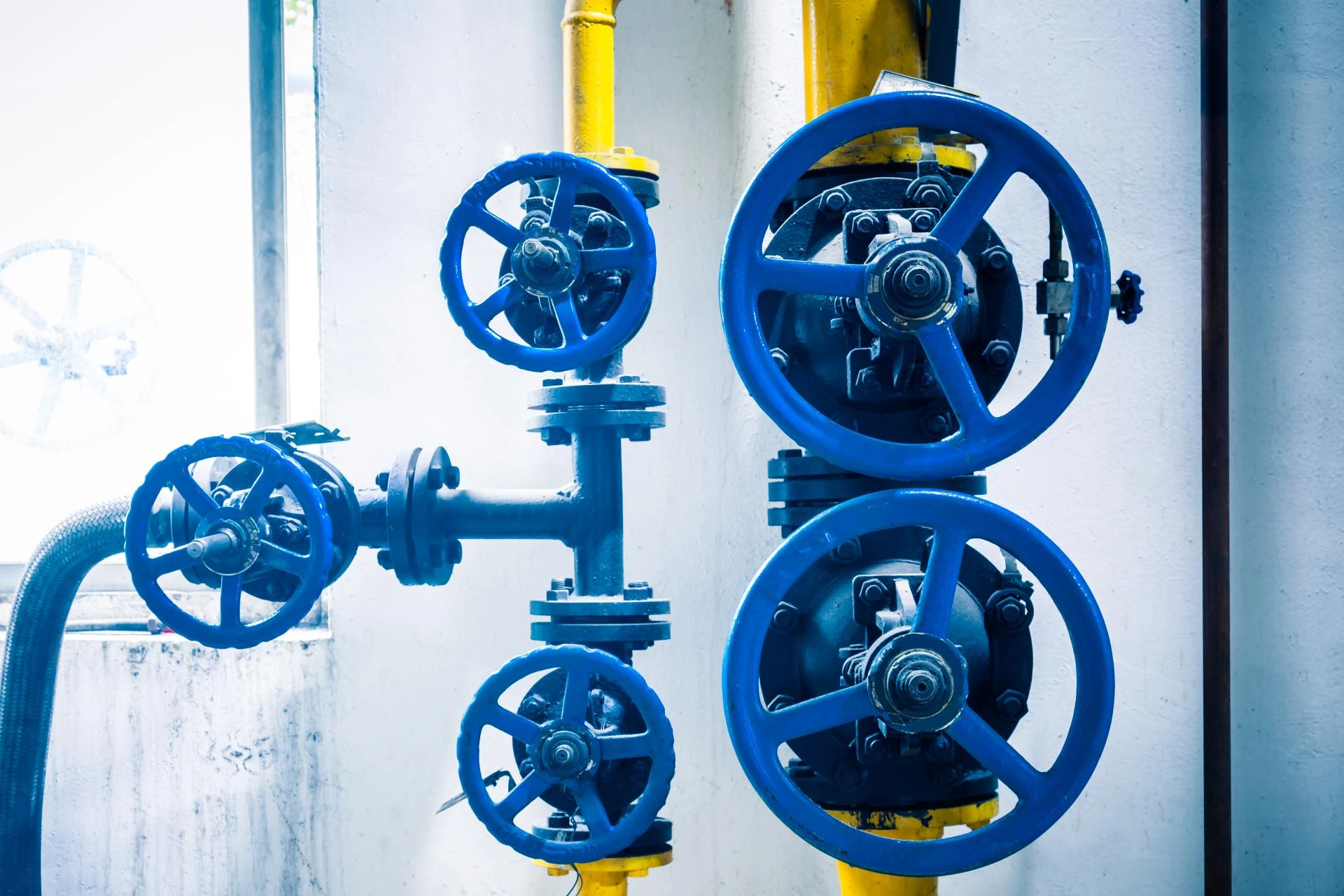
In modern industrial operations, actuated butterfly valves play a crucial role in ensuring precise and efficient flow control. These valves, when paired with complementary equipment such as ball float steam traps, help industries optimize processes, reduce energy loss, and maintain consistent system performance. Whether in power plants, chemical processing units, or manufacturing facilities, the right valve and steam management system can significantly improve operational efficiency.
Understanding Actuated Butterfly Valves
An actuated butterfly valve is a quarter-turn valve equipped with an actuator that automates its opening and closing. Unlike manual valves, these automated versions allow for quick response, remote operation, and integration with process control systems. The “butterfly” disc inside the valve regulates flow, offering low-pressure drop and minimal space requirements — a key advantage in compact industrial setups.
Key Benefits:
- Fast Operation: Quick opening and closing to regulate flow on demand.
- Space-Saving Design: Ideal for pipelines with limited installation space.
- Energy Efficiency: Minimal resistance to flow, reducing pumping costs.
- Automation Compatibility: Seamless integration with SCADA or PLC systems.
The Role of Ball Float Steam Traps in System Efficiency
While actuated butterfly valves manage fluid flow, ball float steam traps focus on removing condensate from steam systems without wasting live steam. This helps maintain system temperature, reduce corrosion risks, and save energy. In industries where steam is used for heating or processing, an efficient steam trap system ensures maximum output with minimal losses.
How They Work Together
In a well-designed industrial system, actuated butterfly valves regulate the main flow of steam, water, or gas, while ball float steam traps handle condensate removal. This combination:
- Prevents pressure fluctuations.
- Maintains optimal temperature in steam lines.
- Extends equipment lifespan by reducing wear and tear.
- Applications Across Industries
- Power Generation: Controlling turbine steam flow while efficiently removing condensate.
- Food Processing: Ensuring precise steam delivery for cooking or sterilization.
- Chemical Plants: Managing high-pressure flow while preventing condensate buildup.
- HVAC Systems: Automating chilled water or hot water supply in large facilities.
Final Thoughts
Investing in actuated butterfly valves and ball float steam traps is not just about hardware — it’s about long-term efficiency, energy savings, and system reliability. Together, they form the backbone of modern industrial fluid and steam management systems, ensuring that every process runs smoothly with minimal downtime.



























Sign in to leave a comment.