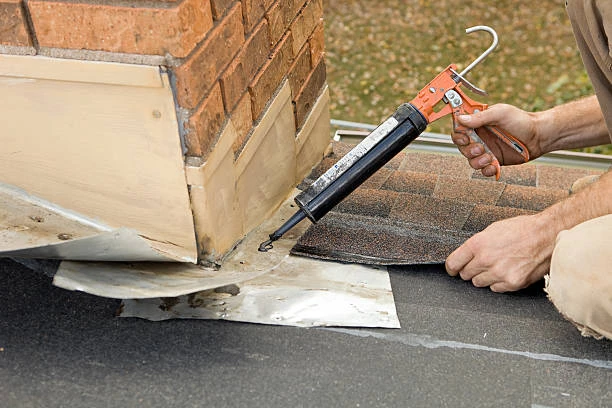

Your roof plays a vital role in protecting your home, yet it is often neglected as it grows older. Many homeowners believe roofing issues only become serious when leaks are visible, but aging materials can affect much more than the attic or ceilings. As time passes, a worn roof can influence your home’s structural integrity, energy efficiency, indoor air quality, and overall value, making timely roof repair and maintenance essential.
Understanding how roofing materials change with age helps homeowners make smarter maintenance and replacement decisions before small issues turn into expensive repairs.
The Gradual Breakdown of Roofing Materials
All roofing materials have a lifespan. Asphalt shingles dry out, crack, and lose granules. Metal roofing expands and contracts, loosening fasteners over time. Tile roofs may crack after years of temperature changes. Even high-quality materials slowly degrade under constant exposure to sun, rain, wind, and seasonal shifts.
As materials deteriorate, they lose their ability to repel moisture and regulate heat. This process often happens quietly, making roof aging easy to overlook until damage spreads deeper into the home.
Structural Stress Beneath the Surface
An aging roof rarely fails all at once. Instead, moisture begins entering through weakened areas, worn flashing, or aging underlayment. Over time, this moisture reaches the roof decking and framing, leading to wood rot and weakened structural components.
Ceiling stains, sagging drywall, or cracks in interior walls are often symptoms of long-term roof deterioration rather than sudden weather damage.
Energy Efficiency Takes a Hit
As roofing materials age, they lose their insulating and reflective properties. Heat enters more easily in summer, while warm air escapes during winter. This forces heating and cooling systems to work harder, increasing energy consumption and utility costs.
Homeowners often blame rising bills on HVAC issues, when the real problem lies above—the roof is no longer providing adequate thermal protection.
Moisture Problems and Indoor Air Quality
Aging roofs allow moisture to enter attic spaces, creating ideal conditions for mold and mildew growth. Poor ventilation combined with roof deterioration accelerates this issue.
Over time, mold spores can circulate throughout the home, reducing indoor air quality and potentially causing respiratory discomfort for occupants. What begins as worn roofing materials can quietly impact the health of the entire household.
Increased Risk During Storms
Older roofs are far more vulnerable to wind, heavy rain, and sudden storms. Brittle shingles, loose fasteners, and weakened flashing are more likely to fail under pressure.
This increased vulnerability means storms often cause more extensive damage to aging roofs, turning manageable weather events into costly emergency repairs.
Impact on Property Value and Curb Appeal
Roof condition plays a major role in property value. An aging roof raises red flags during inspections and can delay sales or lead to lower offers. Visible wear also affects curb appeal, making the home appear less maintained.
In contrast, a well-maintained or recently replaced roof reassures buyers and reflects responsible homeownership.
When Maintenance Is No Longer Enough
Routine maintenance can extend a roof’s lifespan, but repeated repairs are often a sign that materials have reached their limit. Continually fixing isolated issues may cost more over time than addressing the roof as a whole.
Recognizing when aging materials are no longer reliable allows homeowners to plan proactively rather than react to sudden failures.
Conclusion
Aging roof materials do more than wear down over time—they quietly influence your home’s structure, comfort, energy efficiency, and indoor environment. While damage may not always be immediately visible, the long-term effects can be costly if ignored. Regular inspections and timely decisions about repairs or replacement help protect not just the roof, but the entire home beneath it. Investing in your roof at the right time is one of the most effective ways to safeguard your property’s value, safety, and livability for years to come.
























Sign in to leave a comment.