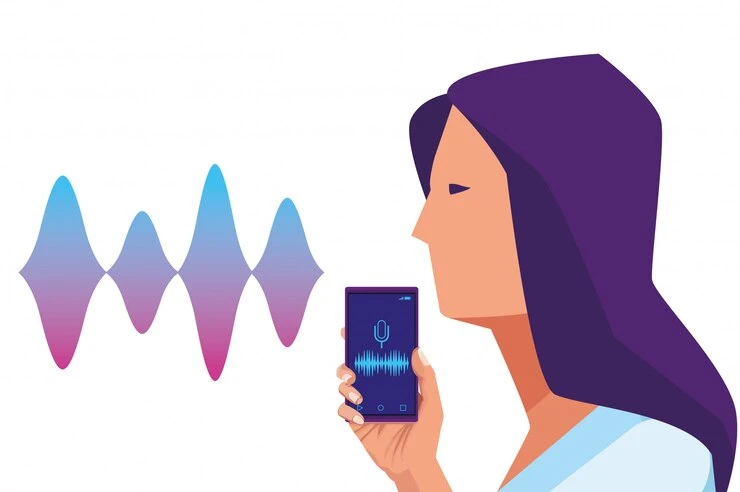
In today’s fast-paced digital landscape, the demand for captivating, high-quality content has never been greater. Videos, podcasts, ads, audiobooks, and social media posts all thrive on immersive soundscapes. Enter the AI audio generator — a transformative tool redefining how creators, marketers, and tech teams build and distribute content.
From converting text into studio-quality voiceovers to editing voice clips in seconds, AI-powered audio tools are opening doors once limited to sound engineers and voice artists. In this blog, we’ll explore how these tools are reshaping digital storytelling, boosting productivity, and enabling personalized audio experiences at scale.
The Rise of AI in Audio Production
AI has become a game-changer in content production workflows. AI audio tools now leverage deep learning and natural language processing (NLP) to generate realistic speech, background effects, music, and even emotion-infused voices — often indistinguishable from human narration.
According to a report from MarketsandMarkets, the AI in media and entertainment market is projected to reach $8.4 billion by 2025, highlighting a growing demand for smart, automated tools that cut costs and time while maintaining quality.
With AI audio generation, even small businesses and solo creators can deliver professional-grade content — something that was once costly and resource-intensive.
Core Capabilities of AI Audio Generators
The typical AI audio generator isn’t just a voice synthesizer anymore. It comes equipped with advanced functionalities designed for creators, including:
1. Text-to-Speech (TTS) Synthesis
Using NLP models, AI systems can turn written scripts into lifelike audio in various languages, tones, and styles. This enables brands to create multilingual content and localized campaigns with minimal effort.
2. Voice Cloning and Customization
AI now allows you to create personalized voice avatars, replicate existing voices, or generate consistent brand narrators — all with precise tone control and modulation.
3. Sound Design and Audio Editing
Many tools integrate audio clip editing features, enabling users to clean, enhance, or mix soundtracks without needing professional audio software like Pro Tools or Audacity.
4. Real-Time Audio Translation
When paired with AI translators, audio tools can generate speech output in different languages, making content globally accessible.
🔍 Useful Resource: NVIDIA’s Riva Speech AI offers insight into real-time speech recognition and synthesis models used in enterprise environments.
Benefits for Tech and Content Teams
For developers, content strategists, and digital marketers, AI audio tools aren’t just about automation — they’re about opportunity.
✅ Scalability
Need 1,000 voiceovers in different languages? AI makes it possible without hiring 1,000 voice actors. This is vital for enterprise-level campaigns or apps with global reach.
✅ Accessibility
TTS-powered apps help brands create accessible content for visually impaired audiences or multitasking users who prefer to listen rather than read.
✅ Speed and Cost Efficiency
Time-consuming edits, retakes, and studio rentals are significantly reduced. AI can create final drafts in minutes, slashing production timelines and costs.
✅ Consistency
AI-generated voices don’t age, get tired, or vary in tone — perfect for serialized content, product tutorials, or branded assistants.
🛠️ Try CLAILA’s intuitive AI audio generator at www.claila.com — ideal for creators who value precision, speed, and adaptability.
Use Cases Across Industries
From entertainment to e-learning, the scope of AI audio continues to expand.
🎓 E-Learning and Training
Educational platforms use AI audio generators to develop engaging modules with voiceovers, quizzes, and summaries tailored to different learning levels.
🎙️ Podcasting and Audiobooks
Automated narration makes it easier than ever to create podcasts or publish audiobooks — no recording booth necessary.
📱 App Development
Voice assistants and chatbots, especially in mobile apps, now leverage AI audio to enhance user engagement through personalized voice feedback.
📢 Marketing and Advertising
From social media reels to product demos, AI-driven audio lets marketers test various voice tones, scripts, and accents rapidly — A/B testing on steroids.
🎧 Resource Tip: Explore how Adobe’s Project Shasta brings AI audio editing and enhancement to creators with little technical experience.
Ethical Considerations and Limitations
As with any AI advancement, there are caveats.
⚠️ Voice Deepfakes and Misinformation
The ability to clone voices has sparked concerns around deepfakes and consent. Safeguards, including watermarking and usage licensing, are critical.
⚠️ Lack of Emotion or Context
While many AI systems can simulate emotion, they may lack the nuanced understanding needed for complex storytelling or sensitive topics.
🧠 Educational Read: Brookings Institute provides a comprehensive breakdown of ethical implications in AI-generated media.
Key Tools Leading the AI Audio Revolution
Here are a few notable players pushing the boundaries of what's possible:
ToolKey FeatureDescriptPodcast creation with overdub voice cloningMurf.aiLifelike text-to-speech with pitch controlLOVO.aiHigh-quality voiceovers for video contentPlay.htReal-time TTS with multilingual optionsResemble AIVoice cloning and emotional tone mapping
Each of these platforms showcases how AI is democratizing voice and sound production, and many are rapidly evolving in response to user feedback and ethical concerns.
The Future: What’s Next for AI Audio?
Looking ahead, we can expect even more hyper-personalized content. Imagine an audiobook that adjusts tone based on your mood or an app that shifts voice dynamics based on user engagement.
AI audio generator tools will soon integrate seamlessly with other AI systems (like chatbots, virtual agents, and smart homes), making voice a dominant interface for the digital world.
5G and edge computing will also boost real-time processing, paving the way for on-the-fly translations and voice responses in smart devices and wearables.
🌐 Resource Pick: MIT Technology Review often covers breakthroughs in speech synthesis and voice technologies worth tracking.
Final Thoughts
The revolution in content creation is not being televised — it’s being heard.
The AI audio generator is now at the heart of how we craft stories, educate users, and connect brands with audiences. It enables tech-savvy creators to push past traditional barriers and build audio content that is smarter, faster, and more inclusive.
Whether you're an educator, marketer, developer, or solopreneur, this is the moment to explore what AI audio can do for your workflows.
Experiment. Iterate. Amplify your voice — literally.
Ready to transform your content strategy? Visit CLAILA to start creating audio the smart way.
FAQs
1. What is an AI audio generator?
An AI audio generator is a tool that uses artificial intelligence to convert text into speech, generate voiceovers, or manipulate audio content in real time.
2. Are AI audio tools better than human voiceovers?
They are not necessarily better but offer benefits like scalability, consistency, and speed. For emotionally rich content, human voiceovers may still have the edge.
3. Is it legal to use AI-generated voices in commercial content?
Yes, as long as the voice used is licensed or the user has consent. However, caution is needed when cloning real people’s voices to avoid legal issues.
4. Can AI audio tools be used for multilingual content?
Absolutely. Most modern AI audio tools support multiple languages and regional accents, making them ideal for global campaigns.
5. How can I start using AI audio for my business?
You can explore platforms like CLAILA to begin creating voiceovers, narrations, or podcasts with minimal setup and high-quality output.






















Sign in to leave a comment.