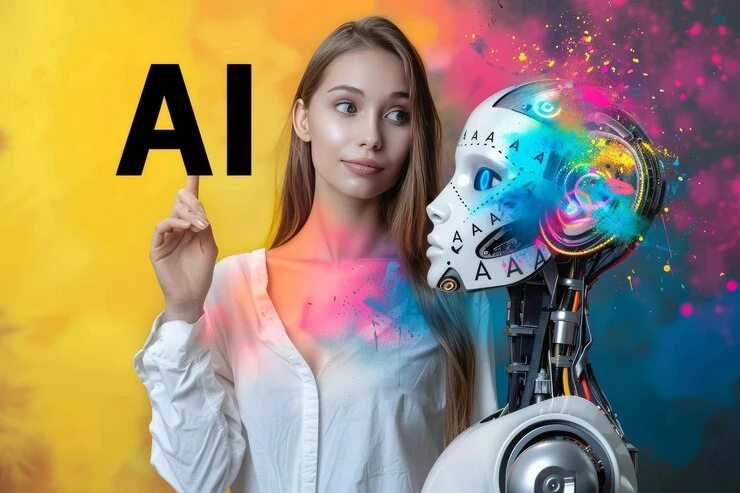
The way we communicate online has evolved dramatically in the last decade, shifting from simple text-based forums to sophisticated platforms that now incorporate artificial intelligence. Among these innovations, the ai chat generator stands out as one of the most disruptive technologies. Whether it’s used for casual roleplay, business support, or real-time learning, these systems are reshaping digital conversations in ways that affect both individuals and businesses alike.
In this blog, we’ll explore how roleplay chat bots have matured into real-time, intelligent assistants and what that means for the future of human–AI interaction. We’ll also discuss key applications, challenges, and the role of AI in shaping authentic communication across industries.
The Evolution of AI-Powered Conversations
Early online chats were primarily human-to-human, but automation soon entered the space with basic scripted bots. These bots could provide limited, pre-programmed answers, often failing when the conversation strayed from their scripts. With the rise of natural language processing (NLP) and machine learning, however, chat technology transformed.
The leap from static responses to contextual dialogue gave birth to systems capable of roleplay, customer service, and even coaching. A roleplay ai chat bot, for example, can create immersive storylines, helping users explore scenarios for gaming, training, or just entertainment. At the same time, these tools evolved to assist in professional settings—where real-time accuracy, empathy, and problem-solving are valued just as much as engagement.
From Roleplay to Real Talk
One of the most fascinating aspects of AI chat is its ability to blur the line between roleplay and reality. Originally, bots were designed for entertainment—simulating fictional characters or creating fantasy worlds. But as algorithms improved, these same tools began supporting real-life use cases: customer support, employee training, and personal productivity.
For instance, roleplay mechanics allow employees to rehearse customer interactions in a safe, AI-driven environment. This not only reduces training costs but also enhances performance in real-world conversations. Similarly, students can use bots for language practice, where simulated characters mimic accents, tones, and cultural contexts.
The transition to “real talk” means that AI is no longer just a novelty. It’s a productivity tool, a learning assistant, and even a mental wellness companion. This versatility demonstrates how artificial intelligence is increasingly embedded in daily online interactions.
Applications Across Industries
The adoption of AI-driven chat has moved beyond personal use, creating measurable impacts across industries:
1. Customer Support
Businesses rely on AI-powered chats for 24/7 customer interaction. These systems resolve common issues instantly, allowing human agents to handle more complex inquiries.
2. Education & Training
AI chatbots simulate conversations for practice-based learning. Whether in healthcare, retail, or language learning, trainees can roleplay scenarios before engaging with real clients.
3. Gaming & Entertainment
The gaming industry thrives on immersive experiences, and chatbots enhance roleplaying environments by making storylines dynamic and adaptive.
4. SaaS & Digital Platforms
Software-as-a-service businesses integrate conversational AI into dashboards, onboarding flows, and self-help centers. This reduces churn and improves user satisfaction.
The Technology Behind AI Conversations
Modern conversational AI is powered by large language models (LLMs), neural networks trained on massive datasets. These systems learn the nuances of syntax, tone, and intent, enabling them to deliver natural, human-like interactions.
What makes these systems particularly powerful is their adaptability. They don’t just follow scripts; they “learn” from context. For instance, if a customer is frustrated, the bot adjusts its tone to be more empathetic. If a user wants technical support, the system pivots toward step-by-step guidance.
This adaptability is what differentiates today’s tools from the early, rigid bots. It explains why both free chat ai platforms and enterprise-level systems are gaining traction across the digital ecosystem.
Challenges and Ethical Considerations
While AI chat systems bring immense value, they also present challenges:
- Bias in Training Data: If the training dataset contains biases, bots can inadvertently reinforce stereotypes.
- Privacy Concerns: Conversations often involve sensitive data, so security and compliance must remain top priorities.
- Authenticity: Some users struggle to distinguish between human and AI responses, raising questions about transparency.
Addressing these challenges requires collaboration between developers, policymakers, and end-users. For businesses, ensuring ethical AI deployment is not just a regulatory concern—it’s a matter of trust.
Why This Matters for Businesses
Businesses can no longer afford to treat conversational AI as a “nice-to-have.” Instead, it has become a strategic necessity. From improving customer experiences to cutting operational costs, AI chatbots offer measurable ROI. They also scale effortlessly, making them ideal for SaaS platforms and digital businesses where global, around-the-clock support is a must.
If you’re exploring how to leverage AI for real-time business conversations, platforms like claila provide insights and tools to understand the evolving role of conversational AI in digital ecosystems.
The Future of AI Conversations
Looking ahead, AI chat systems will likely integrate more deeply with other technologies, such as augmented reality (AR), virtual reality (VR), and voice interfaces. Imagine a training module where a bot not only chats with you but appears as a realistic avatar in a VR setting.
At the same time, we can expect tighter regulations around data privacy and ethical use. These rules will guide how businesses implement AI-driven conversations in ways that protect users while enhancing engagement.
In short, the next wave of AI won’t just simulate conversations—it will augment human intelligence, making communication more inclusive, efficient, and meaningful.
FAQs
Q1: What is an AI chat generator?
An AI chat generator is software powered by machine learning and natural language processing that creates human-like conversations in real time.
Q2: How does a roleplay ai chat bot differ from regular bots?
Roleplay bots focus on simulating characters or scenarios for entertainment or training, while regular bots usually serve practical functions like answering FAQs.
Q3: Are free chat ai tools reliable?
Yes, many free tools are reliable for casual use, but enterprise solutions typically provide advanced features, better security, and more customization.
Q4: Can businesses integrate AI chat into SaaS platforms?
Absolutely. Many SaaS companies use AI chat to improve onboarding, customer support, and user engagement at scale.
Q5: Where can I learn more about AI chat applications?
You can explore resources like IBM’s AI Research and McKinsey’s AI Insights.
Conclusion
From roleplay simulations to authentic business conversations, AI chat systems are redefining online communication. Their applications span industries, from customer service to education, making them indispensable for both personal and professional use.
As digital businesses adopt these technologies, the balance between innovation and responsibility will determine their long-term success. For those looking to stay ahead of the curve, platforms such as claila offer a window into how AI can transform real-time digital interactions.
The bottom line: conversations are no longer confined to human-to-human exchanges. With AI stepping in, the future of communication is both collaborative and transformative.






























Sign in to leave a comment.