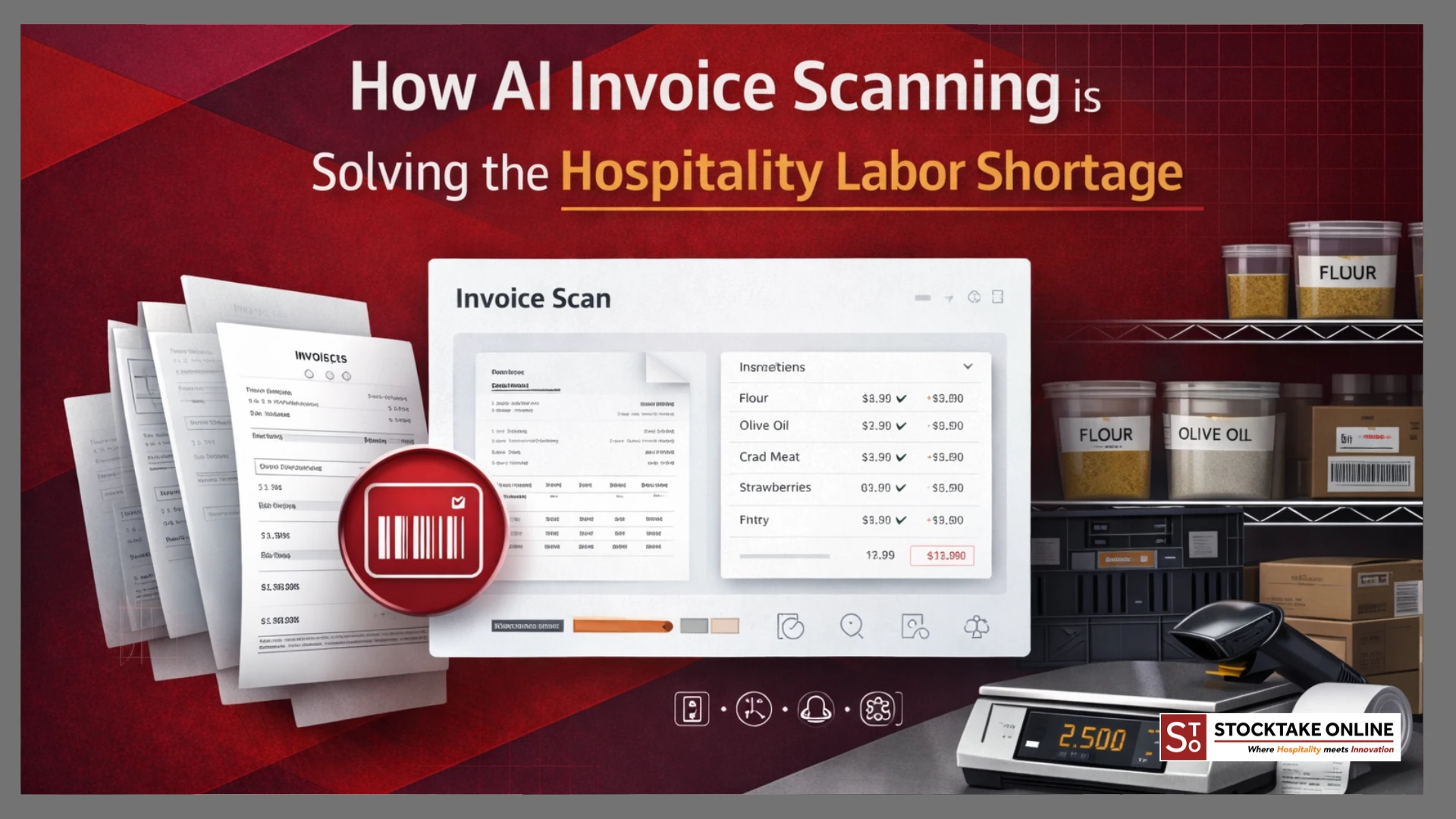

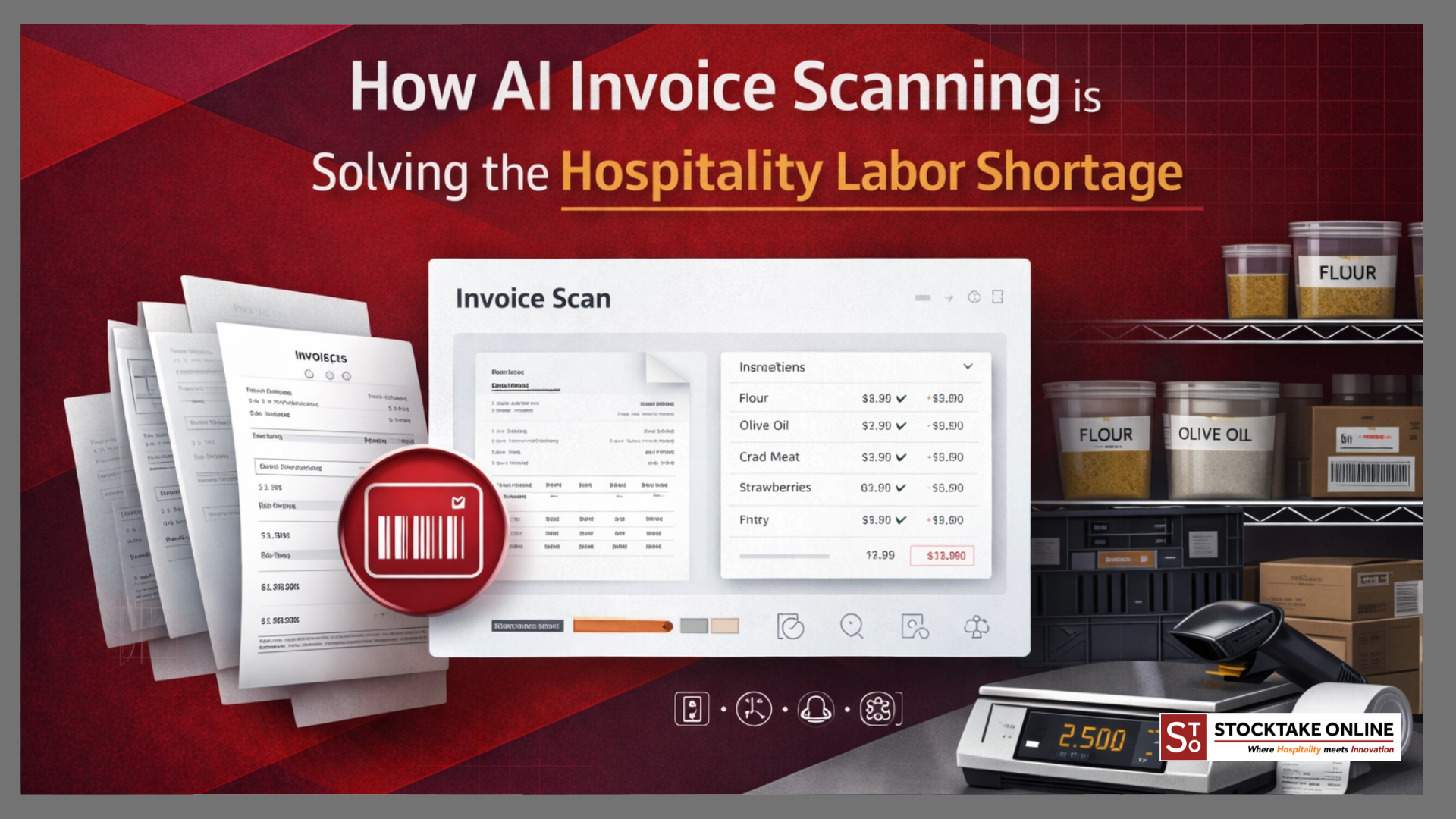
The hospitality sector currently faces a profound structural challenge regarding back of house administration. According to recent industry data, administrative burdens often consume up to twenty percent of a head chef’s working week. This diversion of talent from the pass to the desk is a critical inefficiency during a period of acute labor shortages. Manual data entry of supplier invoices is not only time consuming but prone to human error, leading to financial discrepancies that often go unnoticed until the monthly audit. The emergence of AI driven optical character recognition is transforming this bottleneck into a streamlined, automated workflow. By removing the need for line by line manual entry, operators are successfully reclaiming senior staff hours and improving the accuracy of their financial reporting.
Automating the Back of House Data Entry Bottleneck
Traditional invoice management requires a staff member to manually input item names, quantities, and prices into a spreadsheet or legacy system. This process is inherently slow and creates a significant risk of missed payments or miscalculations. AI invoice scanning technology addresses this by reading supplier documents in seconds, regardless of the format. The system automatically recognizes product names and prices, allowing for instant processing from a simple photo or file upload.
For multi unit operators, this technology ensures consistency across different sites. When an invoice is processed, inventory levels update in real time based on the latest deliveries. This level of automation allows teams to focus on service delivery rather than clerical tasks. Utilizing robust restaurant inventory management software provides the infrastructure needed to maintain these digital records without the need for physical logbooks or manual ledgers.
Protecting Margins Through Real Time Price Intelligence
Inflationary pressures and supplier price volatility have made traditional monthly stocktakes insufficient for protecting margins. Waiting thirty days to discover a price hike on a core ingredient can be the difference between profit and loss on a high volume dish. AI scanning tools offer a proactive solution by providing immediate price alerts. If a supplier increases the cost of a product unexpectedly, the system flags the variance before it affects the overall cost management.
This intelligence extends to new item recognition. If a delivery includes a product not previously listed in the catalogue, the AI alerts the management team to keep the books up to date. This ensures that the food cost control platform reflects current market rates. Furthermore, these systems can handle invoices regardless of whether the original order was placed through the software, allowing for comprehensive monitoring of all external spend.
Enhancing Operational Visibility and Supplier Accountability
The integration of AI into the supply chain does more than just save time; it creates a transparent audit trail. Automated systems allow operators to attach digital copies of invoices or delivery notes directly to the order record. This simplifies the reconciliation process for finance and audit teams, who can filter reports by category, date, or supplier to gain instant insight into business performance.
Platforms such as StockTake Online allow operators to automate invoice capture and cross reference prices at the point of delivery, flagging discrepancies before they affect period end reporting. This level of control is essential for businesses looking to scale without significantly increasing their administrative headcount. By leveraging specialized value added inventory services, restaurants can ensure their master data is configured correctly from the start, providing a structured basis for financial accuracy.
Frequently Asked Questions
Does AI invoice scanning require specific hardware? No, modern solutions are generally cloud based and can be accessed via standard smartphones or computers.
How does automated scanning impact inventory accuracy? Inventory levels are updated the moment an invoice is processed, ensuring that stock counts reflect the most recent deliveries and preventing stockouts during busy periods.
Can the system handle different supplier formats? Yes, the technology is engineered to recognize and extract data from various supplier formats, including those with last minute handwritten changes.
Conclusion
The adoption of AI invoice scanning is no longer a luxury for high volume restaurants but a necessity for those navigating a tight labor market. By automating the most tedious aspects of back of house administration, operators can protect their margins, reduce staff turnover through better work-life balance, and maintain a clear view of their financial health. For those ready to modernize, exploring efficient partner integrations is a logical first step toward a more resilient and profitable business model.

Sign in to leave a comment.