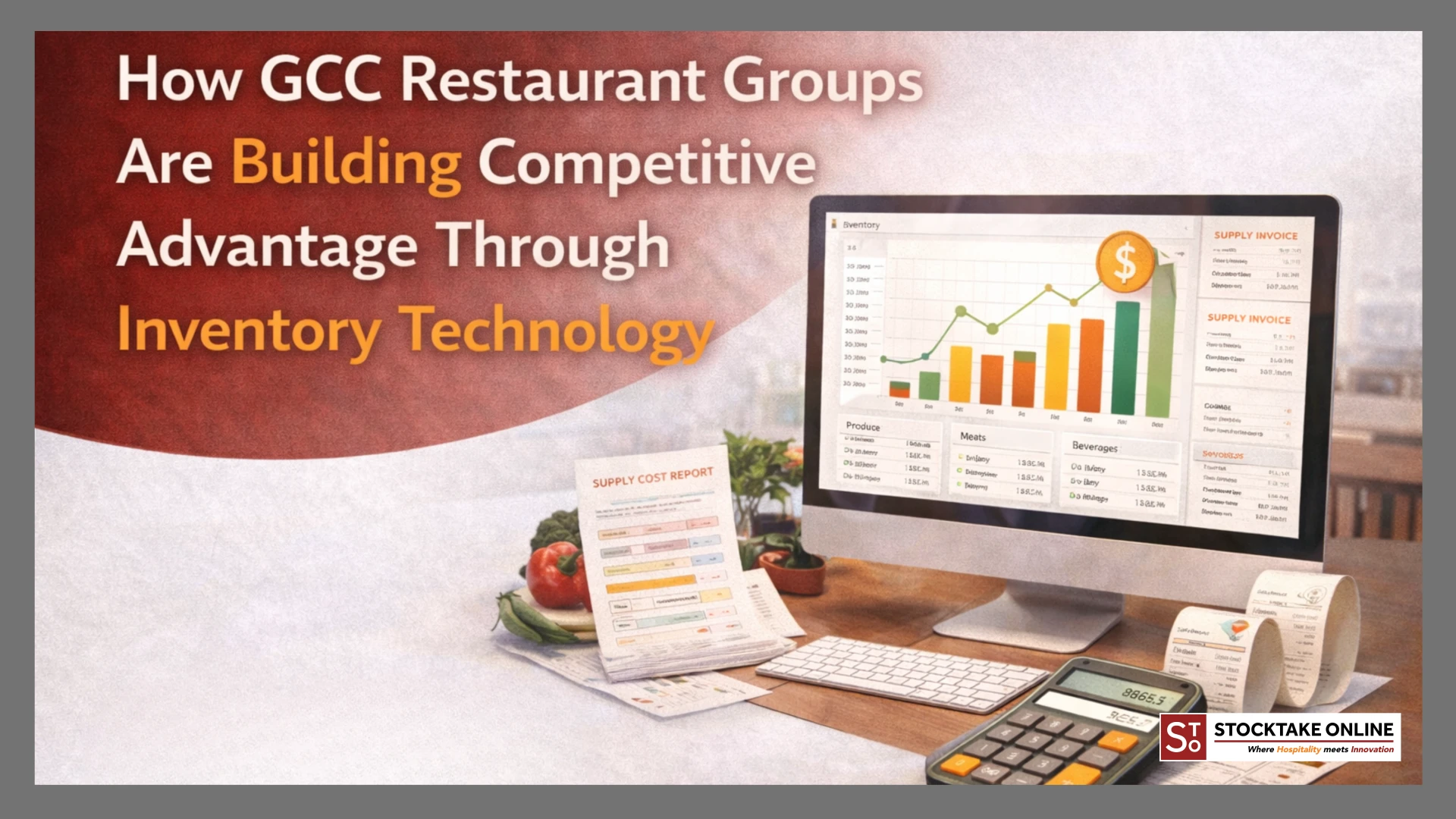

Scaling GCC Restaurant Groups with Advanced Inventory Technology
Expansion in the Gulf hospitality sector is moving at a pace that often outstrips operational infrastructure. When a restaurant group grows from three locations in Dubai to fifteen across Riyadh and Doha, the manual procurement methods that once worked become a primary source of profit erosion. Operators frequently find that while their revenue is climbing, their margins are shrinking due to unmonitored food waste and inconsistent supplier pricing. This article explores how leading groups are moving beyond simple spreadsheets to adopt GCC restaurant inventory technology as a foundational strategy for sustainable growth and regional dominance.
The Risk of Unregulated Multi-Site Expansion
In the early stages of a restaurant business, a Head Chef or Owner can physically see the stock sitting in the dry store. They know the suppliers and can spot a price hike on a crate of tomatoes instantly. However, as groups expand into multi-brand establishments, that direct oversight vanishes.
Without a centralised system, each branch often operates as a data island. This lack of visibility leads to "dark costs" where variance between theoretical and actual stock usage goes unnoticed until the monthly P&L arrives. By then, the capital is already lost. Modern operators are now using cloud-based restaurant inventory software to gain a real time view of consumption patterns across every territory. This shift allows leadership teams to identify a 5% spike in protein waste in a specific Kuwait City outlet and rectify it within twenty four hours rather than twenty four days.
Moving Toward Centralised Procurement Standards
A significant trend across the UAE, Saudi Arabia, and Qatar is the transition to centralised procurement. When ordering is decentralised, every unit manager interacts with suppliers independently. This often results in the group paying different prices for the same ingredient across different locations.
By implementing standardised supplier management tools, GCC groups can negotiate from a position of strength. Having all purchasing data in one dashboard allows Finance Directors to see the total volume of spend across the entire estate. This data is vital for contract negotiations and ensures that price stability is maintained even when global commodity costs fluctuate. Furthermore, centralisation makes opening a new site in a city like Muscat or Manama far simpler. The new location can immediately adopt established workflows and approved supplier lists, reducing the typical "opening chaos" that plagues new launches.
Real Time Visibility During Peak Tourism Seasons
The Gulf hospitality market is defined by extreme peaks. Major events, seasonal tourism, and rapid shifts in consumer behaviour require an agile supply chain. Traditional reporting cycles that rely on end of month counts are too slow for this environment. If a restaurant in Doha is overstocking perishable goods during a high traffic event, the resulting waste can wipe out the week's profits.
Inventory technology bridges the gap between the Point of Sale and the back of house. When a dish is sold, the system automatically depletes the ingredients from the digital inventory based on the programmed recipe. This level of precise recipe management ensures that the kitchen team follows exact portion controls. Managers can track these patterns daily, allowing them to adjust orders before the next delivery arrives. This proactive approach transforms the inventory system from a recording tool into a decision making engine.
Aligning Operations with Saudi Vision 2030 and ESG Goals
Sustainability is no longer an optional extra for hospitality groups in the region. Saudi Arabia’s Vision 2030 has placed a significant emphasis on responsible resource management and waste reduction. Investors and regulatory bodies are increasingly looking for transparent operational data to verify ESG performance.
Food waste is one of the largest environmental and financial burdens in the industry. By using automated stock control, restaurants can maintain a lean inventory that ensures freshness while minimising the volume of expired goods sent to landfills. Accurate reporting allows groups to prove their commitment to sustainability with hard data. Balancing profitable growth with environmentally responsible practices is becoming the benchmark for market leaders in the GCC.
How Inventory Data Moves from the Kitchen to the Boardroom
Historically, stock takes were seen as a chore for the kitchen team. Today, that data is a vital component of boardroom strategy. Finance leaders use the information to generate accurate cash flow predictions. Operations Managers use it to ensure that a brand's signature dish tastes exactly the same in Riyadh as it does in London.
The transition involves turning a cost centre into a scalable asset. When a system like StockTake Online is integrated into the daily workflow, it connects financial activities with physical stock. This creates a cohesive ecosystem where every gram of flour and every riyal spent is accounted for. For groups looking to scale to 50 or more locations, this level of control is the only way to protect the bottom line.
A Framework for Future Growth
The future of competitive advantage in the GCC will be won by those who pair a strong brand identity with operational intelligence. Relying on gut feeling or outdated spreadsheets is a high risk strategy in a market that is professionalising at breakneck speed.
StockTake Online provides the structured framework necessary for this evolution. From AI invoice scanning that eliminates manual data entry to multi site reporting that gives a birds eye view of the entire group, the platform is built for the complexities of modern hospitality. By focusing on food expense management and supplier performance, operators can stop "fighting fires" in the back of house and start focusing on the guest experience.
Actionable Next Steps for GCC Operators
Managing a multi site restaurant group in a fast moving market requires more than just great food. It requires a system that can scale with your ambitions without adding unnecessary overhead. If you are struggling with inconsistent margins or lack of visibility across your locations, it may be time to audit your current stock processes. We can help you identify where your profit is leaking and show you how to plug those holes with data led insights.
To see how our platform handles the specific needs of Gulf based hospitality chains, book a custom demo with our team.


























Sign in to leave a comment.