
Artificial intelligence (AI) has the potential to revolutionize ecommerce in the years ahead. As AI capabilities expand, online retailers can look forward to leveraging groundbreaking technologies to create highly personalized customer experiences, predict trends and optimize operations, and take their ecommerce strategy to the next level.
Recommendation Engines
One of the biggest opportunities for AI in ecommerce is developing sophisticated recommendation engines. Powered by machine learning algorithms, recommendation engines analyze customer data and engagement to determine product suggestions likely to drive conversions. The more data from past purchases and browsing behavior, the more tailored the recommendations become over time.
With tailored product recommendations, customers enjoy a personalized shopping experience that saves them time and effort. For retailers, recommendation engines not only increase sales of suggested items but also provide invaluable customer insights. Brands investing in advanced AI-powered recommendations will have significant competitive edge.
Predictive Analytics
Ecommerce Marketers already rely heavily on analytics to track KPIs and gain business insights. However, AI takes analytics to the next level with predictive capabilities. AI tools can identify patterns in customer behaviors, seasonal trends, stock fluctuations, and other variables to forecast future outcomes. This allows retailers to properly prepare for predicted changes in demand and make strategic business decisions accordingly.
Dynamic Pricing
One application of AI’s predictive powers is automating dynamic pricing. Machine learning algorithms can factor in elements like inventory levels, competitor pricing, demand forecasts, and customer willingness to pay to optimize prices in real-time. This positions retailers to maximize both profit margins and sales volume. AI-based pricing gives brands the agility to respond to market changes and outperform the competition.
Personalization
In addition to product recommendations, AI will allow ecommerce brands to customize and tailor every aspect of the customer journey. For example, chatbots with natural language capabilities can have personalized conversations with shoppers to provide support, upsell products, or collect feedback.
Brands can use data insights to segment audiences and tailor marketing messages and creatives for each group across channels. Hyper-personalized onsite experiences can also be delivered using AI algorithms and machine learning models. The future shopping experience will feel uniquely tailored for each individual customer.
Search and Discovery
Finding the right products quickly is central to the customer journey. AI advancements will greatly improve onsite search functionality and product discoverability. Natural language processing allows shoppers to input queries conversationally rather than keyword-based searches. Machine learning further enables sites to continually optimize search relevance.
As for discovery, machine learning algorithms analyze numerous signals to determine which products to showcase across homepage, category, and search results pages. This creates a dynamic shopping experience guiding customers to relevant products faster. SEO companies can also leverage AI to improve site architecture, metadata, and content for organic discoverability.
Supply Chain Efficiency
Behind the scenes, AI is making ecommerce operations far more efficient. Machine learning analyzes data across the supply chain to identify process bottlenecks, forecast inventory needs, manage warehouse workflows, and optimize delivery routes. This results in lower operational costs and faster fulfillment.
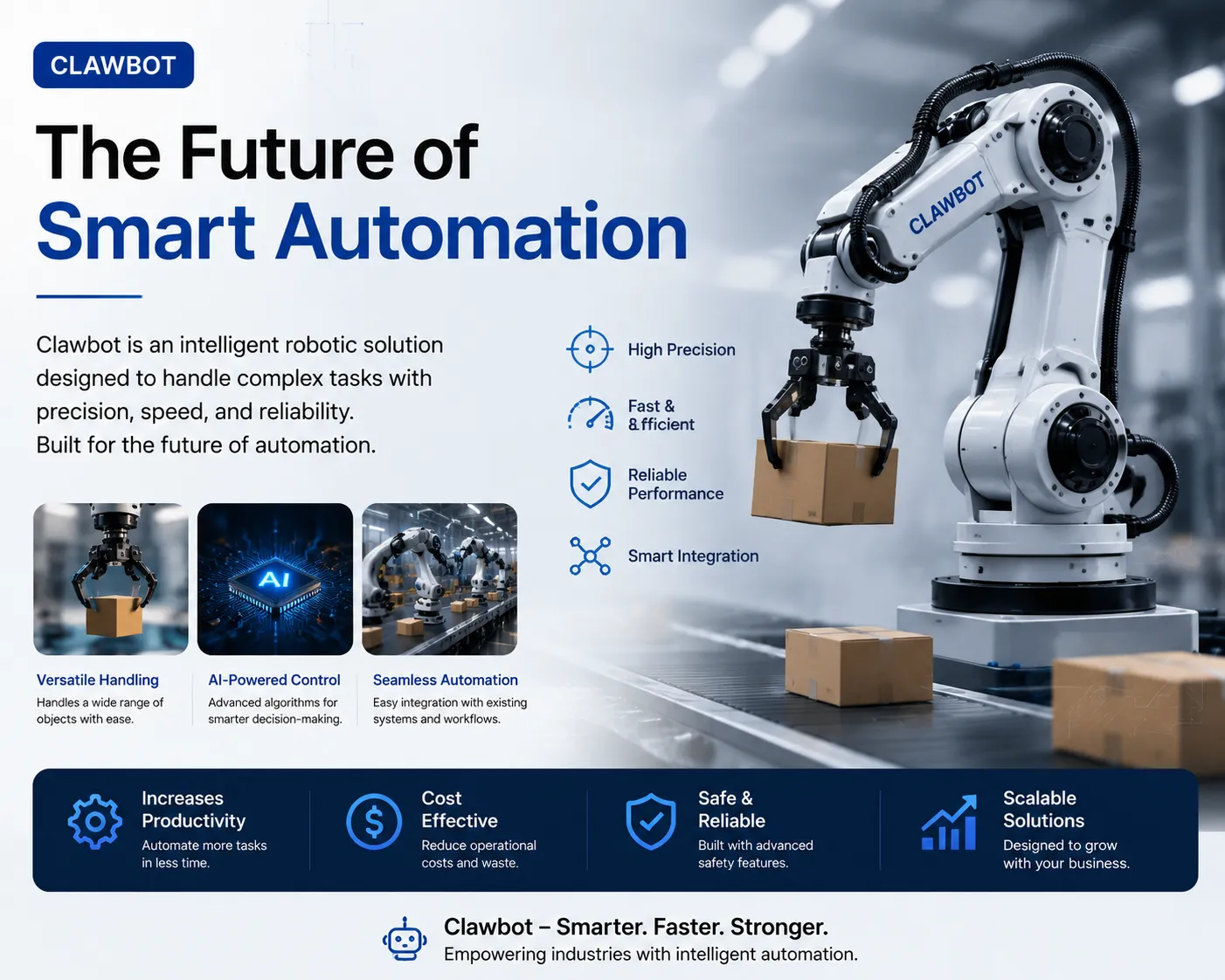
Some brands are already experimenting with AI robots in warehouses to automate picking, packing and shipping. Not only does this improve accuracy and speed, but it enables on-demand scalability to manage spikes in order volumes. AI is streamlining logistics at all levels to make ecommerce more cost-effective.
Enhanced Site Experience
Ecommerce brands invest heavily in user experience design, but AI can elevate sites even further. Features like chatbots and virtual assistants create conversational, immersive experiences. AI-generated product descriptions, category pages and other content also improve information quality.
Computer vision analyzes how users interact with the site to detect usability issues and optimize flows. Machine learning algorithms personalize layouts, promotions, and experiences to enhance engagement. With AI capabilities, retailers can continuously experiment, test, and refine the customer experience.
The Way Forward
Adopting AI may require upfront investment for ecommerce retailers, but the long-term payoff is game-changing. AI’s ability to derive insights from data, respond in real-time, and fully personalize experiences is unmatched. As consumers expect hyper-relevance, brands must make AI part of their ecommerce strategy. Partnering with AI-focused agencies providing ecommerce SEO services can help accelerate development. The possibilities are endless when retailers approach AI as an innovation enabler rather than merely a tool. The ecommerce leaders of the future will be the ones embracing AI today.


























Sign in to leave a comment.