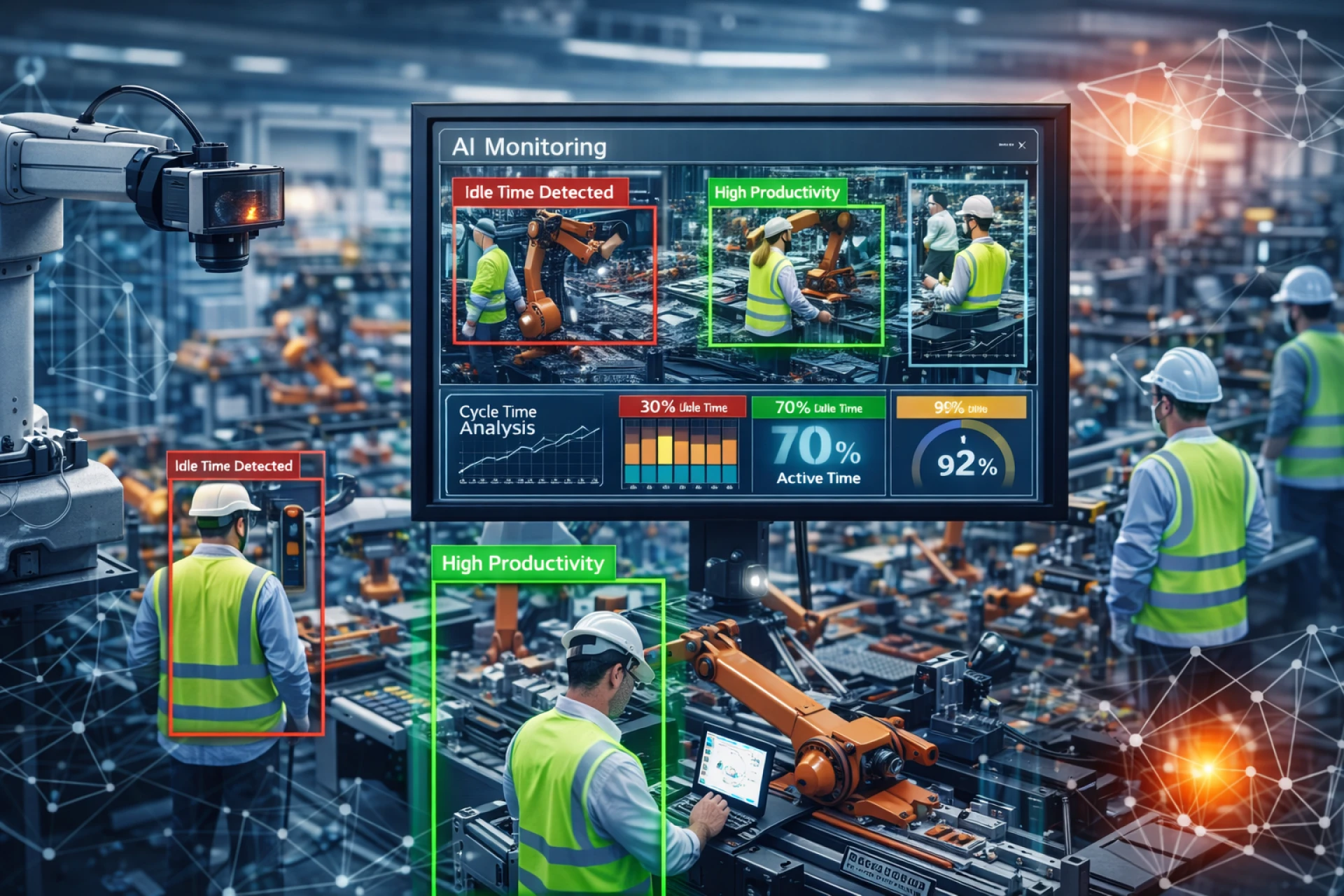

Manufacturing industries across the globe are under constant pressure to improve efficiency, reduce downtime, and maximize output while maintaining quality and safety. Traditional time-tracking methods, manual supervision, and legacy monitoring tools often fall short in delivering real-time insights. This is where AI-powered computer vision is emerging as a game-changer for modern manufacturing operations.
By analyzing live video feeds from existing cameras, computer vision systems provide manufacturers with actionable insights into workforce efficiency, machine utilization, process bottlenecks, and safety compliance. As factories evolve toward Industry 4.0, vision-based AI solutions are becoming essential for smarter time management and sustainable productivity growth.
The Role of Computer Vision in Modern Manufacturing
Computer vision enables machines to “see” and understand visual data using artificial intelligence and deep learning algorithms. In manufacturing environments, this technology processes video footage to detect patterns, track movements, and identify inefficiencies in real time.
Computer vision for manufacturing productivity allows plant managers to monitor workflows without manual intervention, ensuring that every second on the production floor is utilized effectively. From assembly lines to packaging units, AI-driven visual analytics deliver visibility that was previously impossible with conventional systems.
Eliminating Time Wastage on the Production Floor
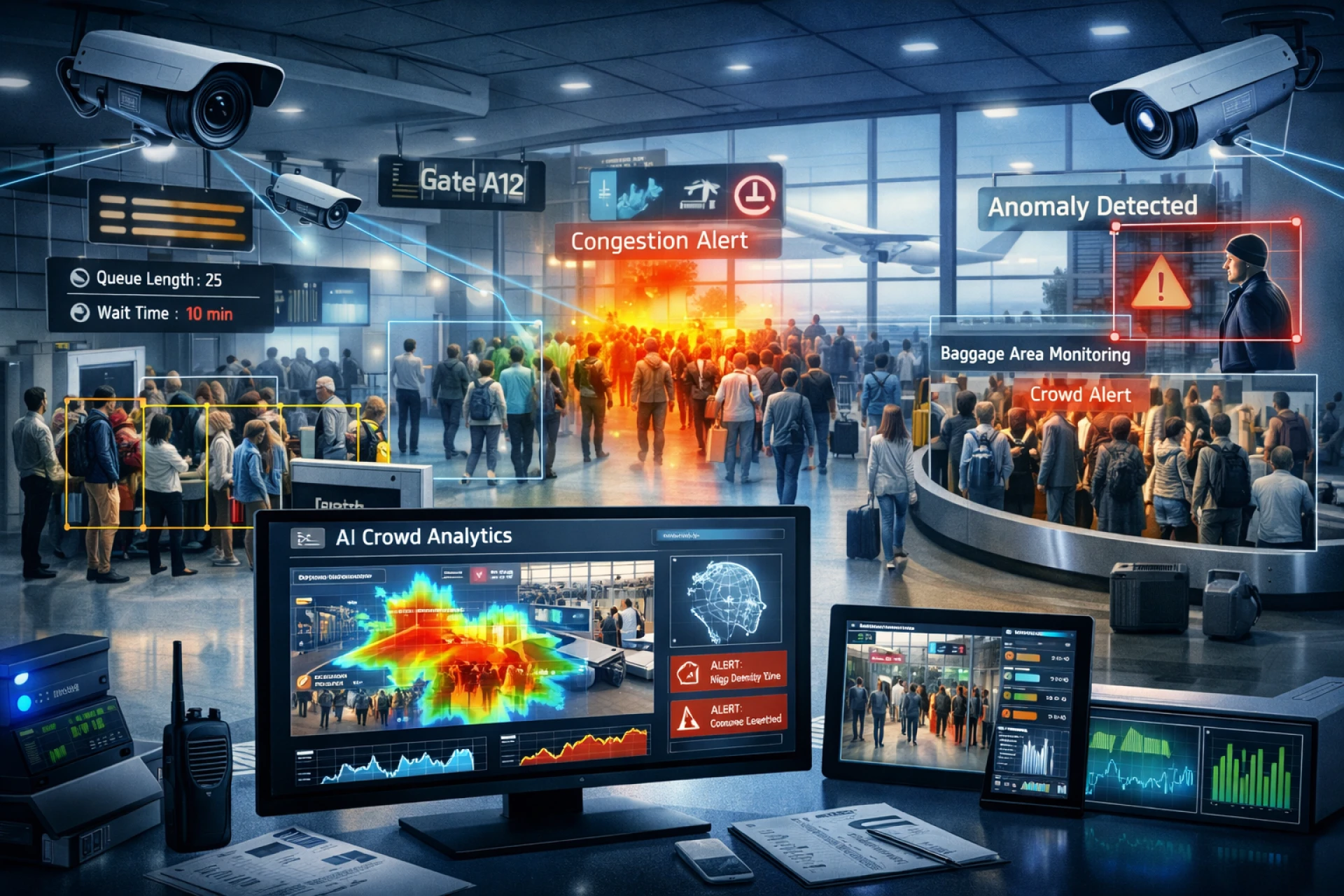
One of the biggest challenges in manufacturing is hidden time loss—idle workers, machine downtime, unnecessary motion, and workflow disruptions. Computer vision systems automatically track:
- Worker movement and task completion time
- Idle vs. active machine hours
- Production line stoppages and delays
- Congestion zones affecting throughput
By identifying where time is being wasted, manufacturers can optimize layouts, balance workloads, and streamline processes to boost overall efficiency.
Real-Time Workforce Productivity Monitoring
Manual supervision often leads to subjective assessments and delayed feedback. AI-powered computer vision removes this limitation by offering objective, real-time productivity metrics.
The system can analyze worker posture, task adherence, and cycle times to determine productivity trends. Supervisors gain instant visibility into underperforming areas, enabling faster decision-making and targeted improvements without micromanaging employees.
Improving Operational Efficiency with Automated Insights
Computer vision systems generate automated reports and dashboards that highlight inefficiencies across shifts, departments, and production stages. These insights help manufacturers:
- Compare productivity across shifts
- Optimize staffing levels
- Reduce overtime costs
- Improve production planning accuracy
With data-driven insights, manufacturers can move from reactive problem-solving to proactive operational optimization.
Reducing Downtime Through Visual Intelligence
Unexpected machine downtime is one of the costliest issues in manufacturing. Computer vision detects early warning signs such as abnormal machine behavior, unplanned stoppages, or unsafe interactions between workers and equipment.
By identifying these issues early, manufacturers can schedule maintenance proactively, reduce downtime, and maintain consistent production output.
Enhancing Safety Without Compromising Productivity
Safety incidents not only endanger workers but also disrupt production schedules. Computer vision systems monitor compliance with safety protocols such as PPE usage, restricted area access, and safe machine operation.
Unlike traditional safety audits, AI-powered monitoring operates continuously, ensuring compliance without slowing down operations. This creates a safer work environment while maintaining productivity levels.
Optimizing Workflow and Process Design
Manufacturers often struggle to visualize how materials, machines, and workers interact across the production floor. Computer vision creates a digital understanding of workflows, highlighting inefficiencies such as unnecessary movement or poor workstation placement.
These insights enable manufacturers to redesign workflows, improve line balancing, and reduce cycle times—leading to faster production and better resource utilization.
Data-Driven Decision Making for Long-Term Growth
AI-powered computer vision transforms raw video data into strategic intelligence. Over time, manufacturers can analyze trends, forecast performance, and make informed decisions about scaling operations, investing in automation, or optimizing labor allocation.
This long-term visibility helps businesses stay competitive in an increasingly data-driven manufacturing landscape.
How Nextbrain Helps Manufacturers Unlock Productivity with Computer Vision
Nextbrain is a leading AI development company specializing in custom computer vision solutions for manufacturing environments. We help manufacturers leverage AI-powered visual analytics to improve time management, workforce efficiency, and operational productivity.
Our solutions seamlessly integrate with existing camera infrastructure, providing real-time insights into production workflows, machine utilization, and safety compliance. By tailoring AI models to your specific manufacturing needs, Nextbrain ensures measurable productivity improvements without disrupting operations.
Conclusion
AI-powered computer vision is redefining how manufacturers manage time, productivity, and operational efficiency. By eliminating hidden inefficiencies, reducing downtime, and enabling real-time insights, this technology empowers manufacturers to achieve smarter, faster, and more sustainable growth.
Contact Nextbrain today to explore how our AI-driven computer vision solutions can transform your manufacturing operations and unlock next-level productivity.
FAQs
1. How does AI-powered computer vision improve manufacturing productivity?
It analyzes real-time video data to identify inefficiencies, reduce downtime, and optimize workforce and machine utilization.
2. Can computer vision track worker productivity without manual supervision?
Yes, AI-powered systems automatically track tasks, movements, and cycle times to provide objective productivity insights.
3. Is computer vision suitable for all types of manufacturing industries?
Yes, it can be customized for automotive, FMCG, electronics, pharmaceuticals, and other manufacturing sectors.
4. Does computer vision require new camera installations?
In most cases, it integrates with existing CCTV infrastructure, minimizing additional hardware costs.
5. Why should manufacturers choose an AI development company like Nextbrain?
An experienced AI development company ensures tailored solutions, seamless integration, scalability, and measurable ROI.

























Sign in to leave a comment.