

In an era where time is money, businesses continuously seek ways to streamline operations and cut unnecessary expenses. AI scheduling software has become a transformative solution, leveraging artificial intelligence to automate and optimize scheduling processes. This significantly reduces operational costs while boosting productivity. Alongside AI productivity tools and automated scheduling software, AI-driven scheduling is reshaping how businesses allocate resources and engage with customers. This article delves into the multifaceted benefits of AI scheduling software, including the role of AI voice agents, and how they contribute to operational excellence.
What is AI Scheduling Software?
AI scheduling software is an intelligent system designed to automate the creation, adjustment, and management of schedules for employees, meetings, and customer appointments. Unlike traditional scheduling methods that rely heavily on manual input and static calendars, AI scheduling software uses machine learning algorithms to analyze multiple variables—such as employee availability, skill sets, to generate optimal schedules by considering customer preferences and historical demand patterns.
For example, AI can predict peak business hours and automatically allocate more staff during these times, while reducing coverage during slower periods, thus maximizing efficiency. Additionally, AI voice agents integrated into these systems allow users to interact via natural language commands, making scheduling more accessible and user-friendly, especially for small businesses that may lack dedicated administrative staff.
Key Features of AI Scheduling Software
- Automated Scheduling and Dynamic Rescheduling: The software continuously monitors changes such as employee absences or customer cancellations and adjusts schedules in real-time without human intervention.
- Seamless Integration: AI scheduling tools connect with popular calendar apps (Google Calendar, Outlook), CRM platforms, and communication tools to ensure all data is synchronized and accessible.
- Predictive Analytics and Demand Forecasting: By analyzing past data and market trends, AI predicts future scheduling needs, helping businesses prepare for fluctuations in demand.
- Voice AI Agents: These enable voice commands for scheduling tasks, allowing users to book, modify, or cancel appointments effortlessly, improving accessibility for both employees and customers.
- Automated Notifications and Reminders: Reduce no-shows by sending timely alerts to customers and staff via SMS, email, or voice calls.
How AI Scheduling Software Increases Productivity
AI scheduling software saves managers time by automating repetitive tasks, freeing up human resources for strategic initiatives and customer service. AI productivity tools like Motion or Trevor AI complement scheduling by managing task prioritization and workflow optimization.
Moreover, AI ensures that the right employees are assigned to tasks that match their skills and availability, reducing downtime and enhancing job satisfaction. For instance, healthcare providers can schedule nurses with specific expertise during critical shifts, improving patient care quality.
Voice AI agents further enhance productivity by enabling hands-free scheduling and instant customer interactions. Customers can book appointments or request changes through voice commands, reducing wait times and easing the burden on call centers.
How AI Scheduling Software Reduces Operational Costs
Operational cost savings are among the most compelling benefits of AI scheduling software. Overstaffing and understaffing are common issues that lead to wasted labor costs or lost revenue opportunities. AI’s ability to forecast demand and optimize staffing levels ensures businesses pay only for the labor they need.
Automated scheduling also reduces administrative overhead by minimizing manual input and errors, which can lead to costly compliance issues or overtime payments. Additionally, AI-driven reminders and confirmations significantly reduce appointment no-shows, which can otherwise result in lost revenue and inefficient use of resources.
By automating routine customer inquiries and scheduling, AI voice agents can significantly cut costs, lessening the reliance on extensive customer service departments. This is particularly beneficial for small businesses that need to maximize efficiency with limited staff.
Role of AI Voice Agents and Voice AI in Scheduling
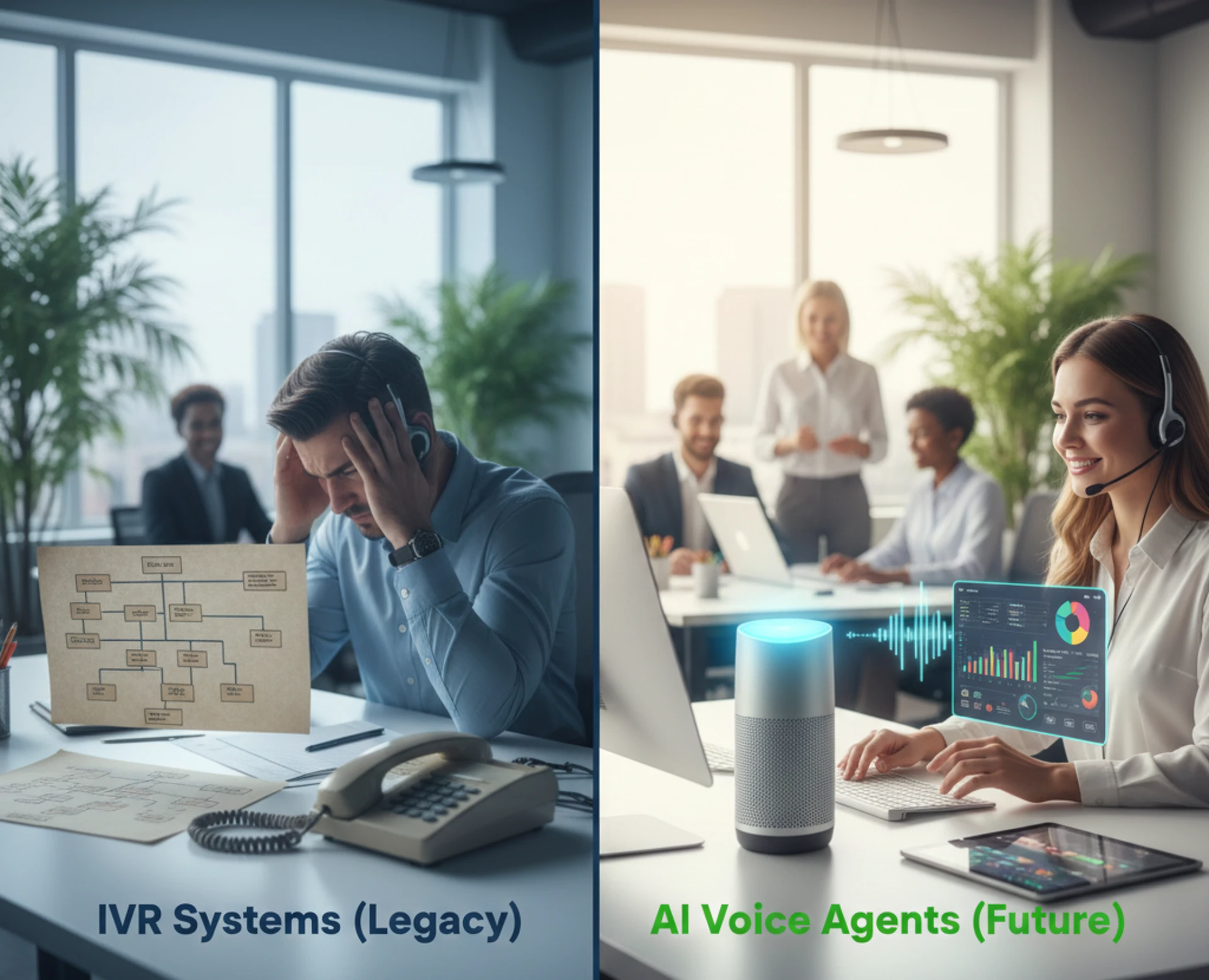
AI voice agents are revolutionizing how businesses interact with customers and employees. These agents use natural language processing (NLP) to understand and respond to voice commands, enabling seamless scheduling experiences without manual input.
For small businesses, voice AI offers a cost-effective solution to manage appointment bookings, cancellations, and rescheduling. It also enhances accessibility for customers who prefer voice interaction over traditional digital interfaces. Beyond scheduling, voice AI agents can gather customer feedback, provide reminders, and even upsell services, creating additional revenue streams.
The continuous learning capability of AI voice agents means they improve over time, offering more personalized and efficient service, which builds customer loyalty and satisfaction.
Implementing AI Scheduling Software in Your Business
Successful implementation starts with clearly defining your business objectives—whether it’s reducing labor costs, improving customer experience, or increasing employee productivity. Evaluate AI scheduling solutions based on features, ease of integration, scalability, and cost.
Begin with a pilot project to test the software in a controlled environment, gather user feedback, and identify any challenges. Training your staff to effectively use AI tools is crucial to maximize benefits. Integration with existing systems like payroll, HR, and CRM ensures a smooth transition and unified data management.
Regularly monitor performance metrics such as scheduling accuracy, no-show rates, and labor costs to measure ROI and make informed adjustments.
Future Trends in AI Scheduling and Productivity Tools
Exciting advancements are on the horizon for the future of AI scheduling. Emerging trends include:
- Enhanced Predictive Analytics: AI will become better at forecasting demand spikes and employee availability using more complex data inputs, including social and economic factors.
- Emotion and Sentiment Analysis: AI tools may soon analyze employee mood and stress levels to optimize shift assignments, promoting well-being and productivity.
- Deeper Personalisation: Scheduling software will tailor experiences not only to business needs but also to individual employee preferences and customer behavior.
- Expanded Voice AI Capabilities: Voice agents will handle more complex interactions, including conflict resolution and multi-language support, making scheduling more inclusive and efficient.
These innovations will further empower businesses to optimize operations and reduce costs while maintaining high service standards.
Conclusion
AI scheduling software is a powerful ally for businesses aiming to enhance productivity and reduce operational expenses. By automating complex scheduling tasks and integrating AI voice agents, companies can optimize resource allocation, improve customer engagement, and streamline workflows. Embracing these technologies is essential for staying competitive in today’s dynamic market landscape, enabling businesses to focus on growth and innovation.




























Sign in to leave a comment.