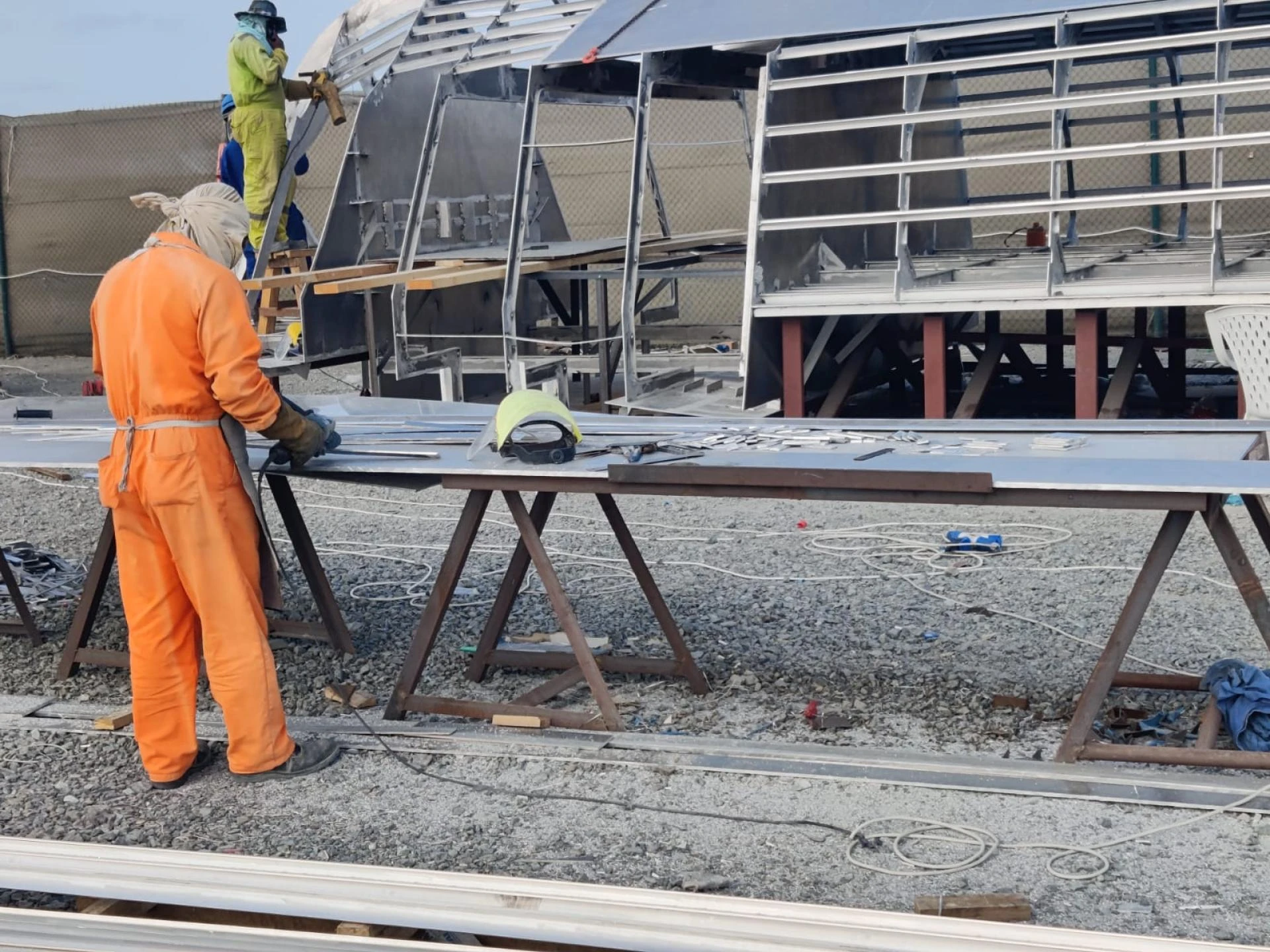

Coastal shipping is in the midst of revolutionary change. Over the last decade, aluminium boat building has moved from an esoteric art to a powerhouse propelling faster, smarter, and greener marine mobility.
To any boat building company, the benefits of aluminium are impossible to avoid. Its strength, light weight, and resistance to corrosion are forcing changes in how ships are designed and operated—particularly in harsh coastal conditions.
Why Aluminium?
Aluminium is a game-changer in boat building for three main reasons: it’s lightweight, corrosion-resistant, and strong. These traits combine to deliver a vessel that is not only tough enough for marine environments but also fuel-efficient and long-lasting.
1. Weight Advantage = Fuel Savings
Aluminium is approximately 2.7 times less dense than steel. This results in aluminium-built boats being considerably lighter. The International Maritime Organization, in a 2023 report, states that light-weight boats use 15–20% less fuel than those heavy ones. This, in the long run, means lower operating expenses and less pollution. Small operators and large transport services both care about this.
2. Corrosion Resistance = Lower Maintenance
Saltwater is unforgiving to materials. Fiberglass will crack. Steel rusts. Wood will rot. Aluminium, however, will naturally grow a protective oxide coating which provides resistance to corrosion, particularly when alloyed correctly. Such strength makes maintenance and repairs less needed, allowing operators to reduce downtime and expense.
3. Strength-to-Weight Ratio
Aluminium provides an excellent strength-to-weight ratio, which makes it perfect for coastal transport ships that need to work in fluctuating tides, rocky coasts, or shallow harbors. Vessels require agility but also strength. Aluminium is the perfect balance.
How It's Changing Coastal Transport
The effect of aluminium boats, particularly from professional boats manufacturer in UAE, can be seen through five major areas:
1. Speedier and Safer Passenger Services
Ferry and small boat transport is common in coastal communities. The lightness of aluminium makes boats travel faster, and its strength provides safety even in turbulent seas. When communities commute daily by water, the transition to aluminium boats has resulted in journeys up to 30% faster, revealed a 2022 Asia-Pacific Coastal Transport Survey.
For travelers, this translates into shorter journeys and less cancellation of journeys because of bad weather. For operators, this translates into more daily journeys and greater earning potential.
2. Reduced Operating Expenditures for Small Operators
Traditional boats also need periodic hull inspections, anti-fouling paint, and structural strengthening. Aluminium boats eliminate these costs by a big margin. A Coastal Engineering Institute study discovered that aluminium boat maintenance is 40–60% cheaper over the course of 10 years versus fiberglass.
This reduced cost of ownership explains why aluminium boats are so alluring for small business owners—whether ferry, fishing, or cargo operators.
3. Stimulating Local Economies
Aluminium boat construction sustains local economies through enhanced access to coastal and island communities. Enhanced water transport translates into better trade corridors, simpler tourism access, and more efficient supply chains. In Southeast Asia alone, the aluminium boat industry has been recognized for adding 22% of inter-island trade between 2018 and 2023.
4. Hardiness in Extreme Environments
In disaster zones where the coast is threatened, aluminium boats are showing their worth. They're simpler to fix after collision, stronger against structural stress, and quicker to deploy. Coast guards and humanitarian organizations are taking aluminium increasingly, as it enables rapid response and greater mission reach.
Specifically, aluminium boat builders in UAE are developing international reputations for building tough boats that perform under some of the globe's most challenging maritime conditions.
5. Environmental Benefits
Seaborne transport is responsible for significant localized emissions. Vessels made of lighter aluminium use less fuel, emitting less. There's more, however. Aluminium can be reused at the end of a boat's lifetime without any loss of quality. More of a boat's material can be reused than from fiberglass or treated wood, which are frequently relegated to landfill sites.
Spotlight on Innovation: VU Marine's Contribution
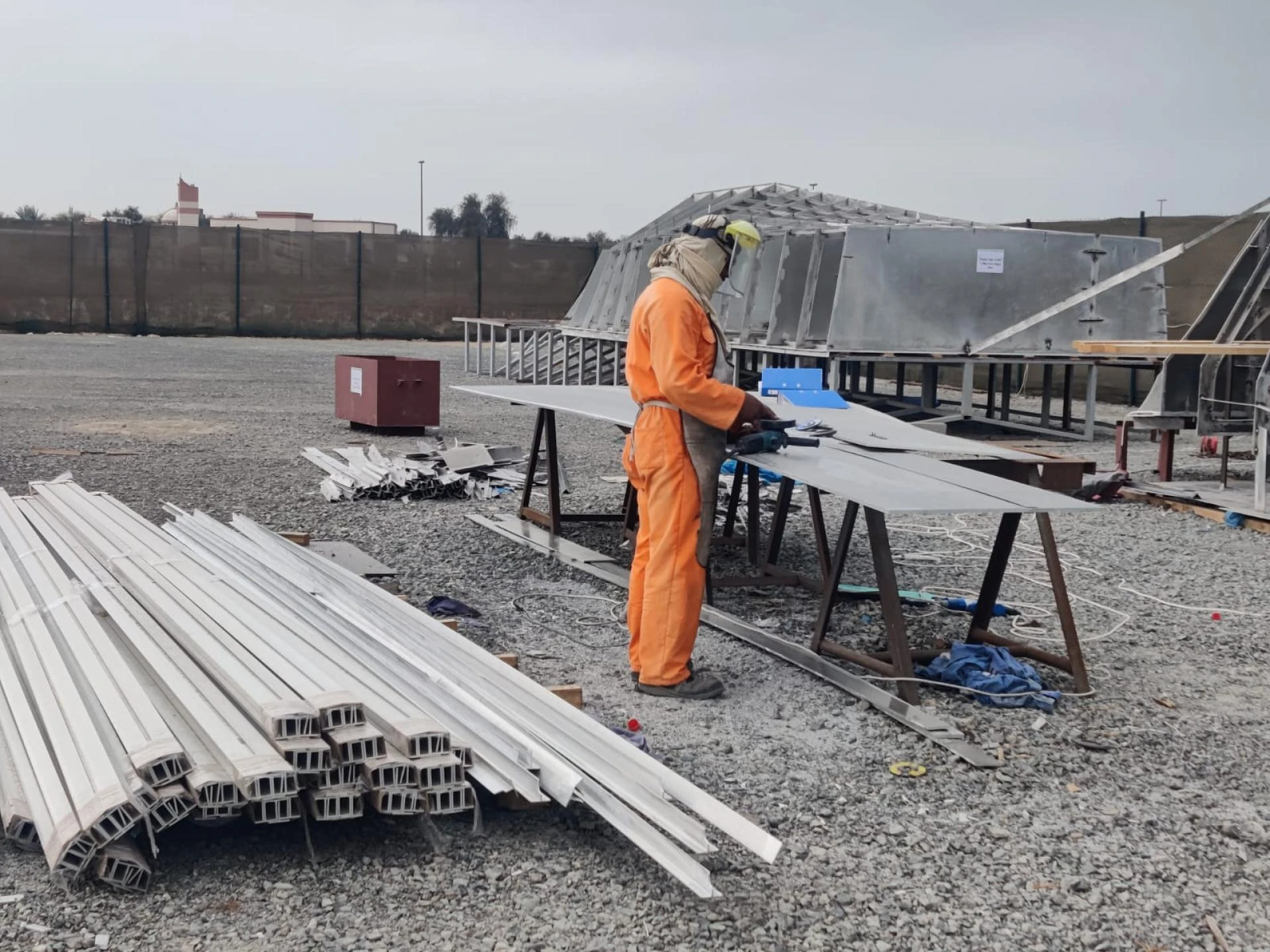
One of the pioneers in aluminium boat production is VU Marine, whose R&D and production have been geared towards intelligent redesigns, efficiency, and contemporary aluminium boats. By prioritizing modular boats, greenness, and bespoke designs, VU Marine has played a key role in promoting the use of aluminium boats by fishing communities, tourism operators, and coastal shipping companies.
For anyone looking for a dependable aluminium fishing boat company, VU Marine provides products that balance strength, performance, and long-term value. Their vessels are designed to thrive in varied marine conditions, from smooth coastal waters to abrasive island chains.
Challenges and The Road Ahead
Even with their numerous advantages, aluminium boats are not without setbacks:
- Initial Cost: Aluminium boats are 20–30% more costly to purchase initially compared to fiberglass models. But this is typically compensated for by lower fuel and maintenance costs in the long run.
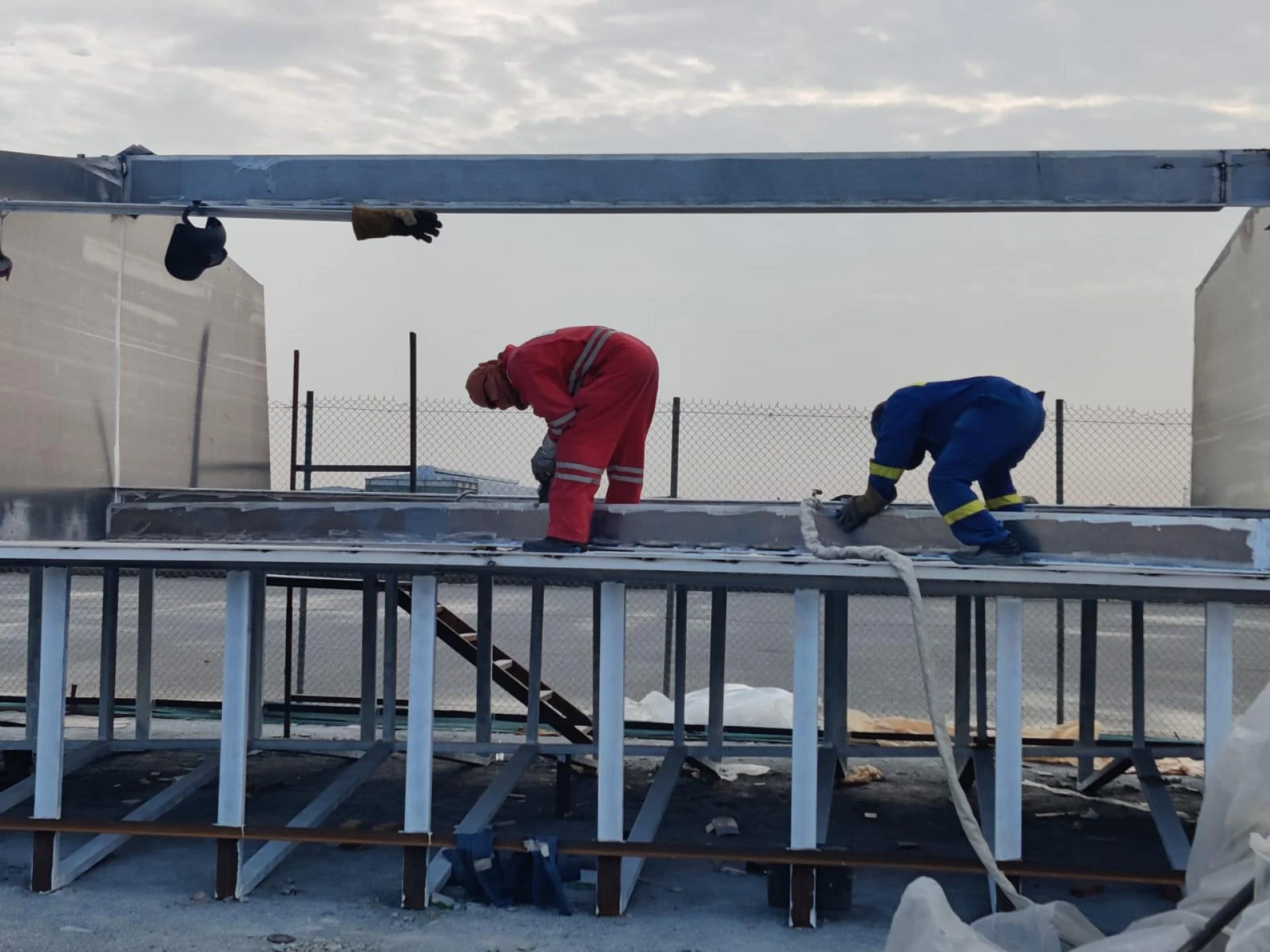
- Skilled Labor Required: Joining and working with aluminium calls for specialized skills and equipment. But training courses and computer-controlled welding technology are bridging this gap.
- Material Sourcing: The world aluminium supply chain can be unstable. Nevertheless, demand for marine-grade aluminium is fueling innovation in smelting and recycling.
The future looks rosy. Governments are incentivizing cleaner transport. Climate-resilient infrastructure is a priority. And with increasing interest in electric and hybrid vessels, aluminium's compatibility with lightweight electric propulsion systems makes it a top bet for the next generation of marine innovation.
Final Thoughts
Aluminium boat construction is redefining coastal transport by making it more efficient, eco-friendly, and dependable. Whether it's reducing fuel expenses, increasing vessel lifespan, or boosting local economies, the advantages are too big to overlook. And with businesses such as VU Marine further setting the level in design and performance, aluminium boats are poised to play an even greater part in the future of marine transport.
For people who live along the water, this change isn't merely technological—it's revolutionary.


























Sign in to leave a comment.