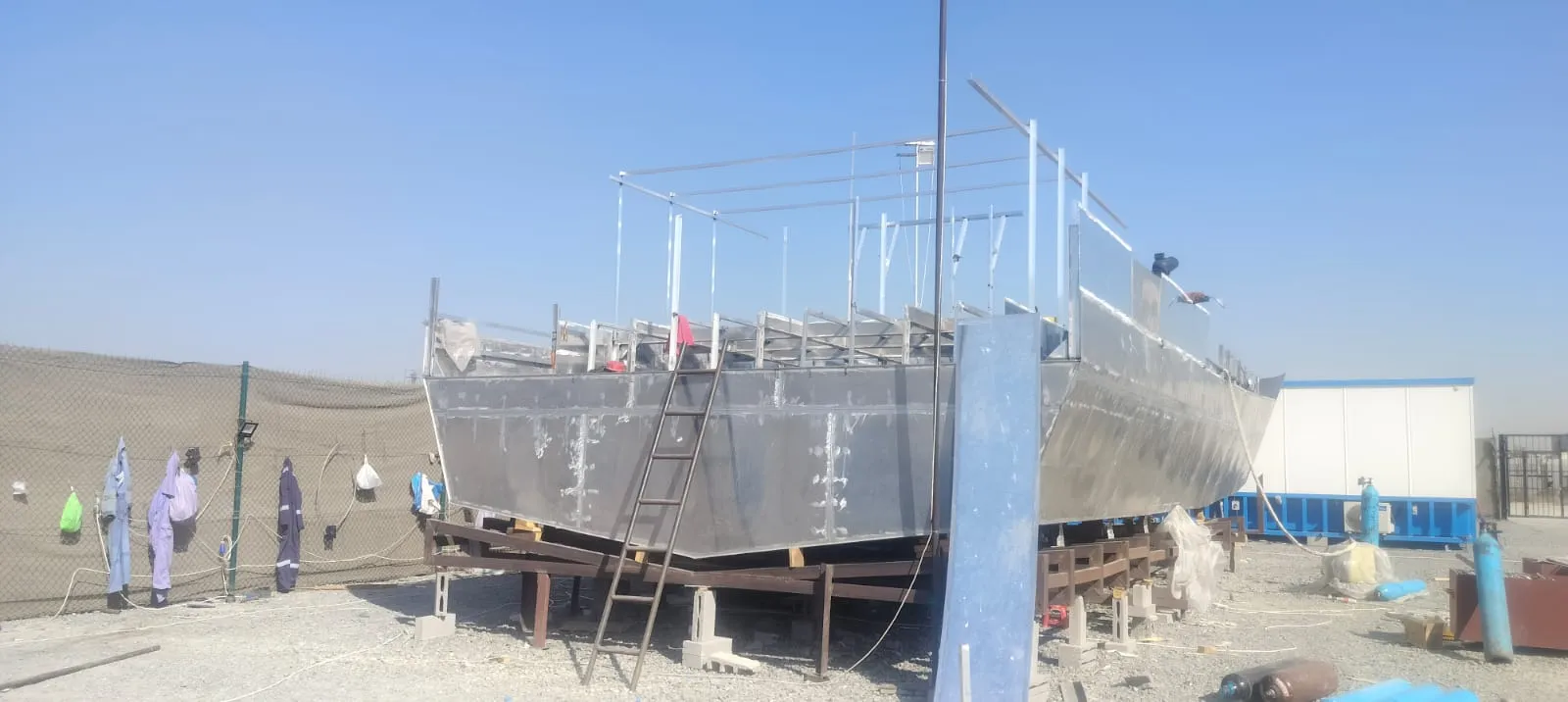

Global shipping is the backbone of international trade, and aluminum tug builders are becoming increasingly important in improving marine transportation efficiency. Around 90% of the world’s goods are transported by sea, according to the International Maritime Organization (IMO). As shipping traffic grows worldwide, ports and marine operators are searching for vessels that are lighter, faster, more fuel-efficient, and environmentally friendly.
Modern tugboats play a major role in guiding cargo ships, oil tankers, and container vessels through busy ports and waterways. Traditional steel tugboats have served the industry for decades, but aluminum-built tugboats are now gaining attention because of their advanced performance and lower operational costs. Companies like VU Marine are contributing to this shift toward modern aluminum marine solutions.
Rising Demand for Advanced Tugboats
The shipping industry moves more than 11 billion tons of cargo every year. Large commercial ports depend heavily on tugboats for towing, escorting, docking, and emergency support operations. As global trade expands, shipping companies require high-performance vessels capable of operating efficiently under heavy workloads.
The increasing size of cargo ships has also created a need for stronger and more responsive tugboats. Some modern container ships are over 400 meters long and carry more than 20,000 containers. These massive vessels require advanced tugboats for safe movement in restricted port areas.
This growing demand has encouraged many aluminium tug manufacturers to develop lightweight and durable vessels designed for modern marine operations.
Why Aluminum Is Preferred in Tugboat Construction
Aluminum has become a preferred material in marine vessel construction because it offers several advantages over traditional steel. One of the biggest benefits is reduced weight. Aluminum is approximately 30% lighter than steel, allowing vessels to move faster while consuming less fuel.
A lightweight tugboat requires less engine power during towing and maneuvering operations. This directly improves fuel efficiency and lowers operational costs. Industry studies suggest that aluminum marine vessels can reduce fuel consumption by up to 20% compared to similar steel vessels.
Another major advantage is corrosion resistance. Tugboats operate continuously in saltwater environments where steel structures are highly vulnerable to rust and structural damage. Aluminum naturally resists corrosion, helping operators reduce maintenance expenses and extend vessel lifespan.
These advantages are helping aluminum tugboats become an important part of modern global shipping operations.
Improved Fuel Efficiency and Cost Savings
Fuel costs are one of the largest expenses in the maritime industry. Reports indicate that fuel can account for nearly half of a vessel’s operating budget. Because of this, shipping companies constantly search for ways to reduce fuel usage without sacrificing performance.
Aluminum tugboats help solve this challenge because their lightweight structure allows engines to operate more efficiently. Reduced fuel consumption helps shipping operators lower daily operating expenses while maintaining powerful towing performance.
Lower fuel usage also supports international environmental goals. The International Maritime Organization has introduced stricter emission regulations to reduce the environmental impact of shipping activities. Lightweight aluminum vessels help companies meet these standards by lowering carbon emissions.
Modern tugboat designs now include advanced propulsion systems, optimized hull structures, and energy-efficient technologies that further improve fuel economy.
Faster Port Operations and Better Productivity
Efficient port operations are essential for maintaining global supply chains. Shipping delays can create financial losses, disrupt schedules, and slow cargo delivery worldwide.
Aluminum tugboats improve port efficiency because they are faster and easier to maneuver than heavier steel vessels. Their lightweight design allows quick acceleration and smoother movement in crowded waterways.
This improved maneuverability helps tug operators guide large ships more effectively, reducing waiting times at ports. Faster docking and undocking operations allow ports to handle more vessels daily, improving overall productivity.
Many ports are investing in modern tug fleets to support increasing cargo traffic. As a result, the demand for advanced marine construction continues to rise across the industry.
Enhanced Safety in Marine Transportation
Safety remains one of the most critical factors in maritime operations. Tugboats often operate under difficult weather conditions and in highly congested port areas where precise navigation is necessary.
Modern aluminum tugboats are designed with advanced engineering systems that improve stability, control, and operational reliability. Their quick-response handling capabilities allow operators to react effectively during emergency situations.
Many vessels are also equipped with advanced firefighting systems, escort towing technology, and navigation equipment that improve maritime safety standards.
A reliable tug builder in UAE is increasingly focusing on creating tugboats that meet international safety regulations while maintaining high operational performance in demanding marine environments.
Environmental Benefits of Aluminum Tugboats
Environmental sustainability has become a major focus within the global shipping sector. Governments and maritime organizations are encouraging companies to adopt cleaner and more energy-efficient technologies.
Aluminum tugboats support these environmental goals in several ways. Since aluminum vessels are lighter, they consume less fuel and produce lower greenhouse gas emissions. Some marine studies suggest that lightweight vessels can reduce carbon emissions by nearly 15–20%.
Aluminum is also highly recyclable. Nearly 75% of all aluminum ever produced is still in use today because it can be recycled repeatedly without losing quality. This makes aluminum one of the most sustainable materials for marine vessel construction.
Many modern tugboats now integrate hybrid propulsion systems and advanced energy-saving technologies to further reduce environmental impact.
Lower Maintenance and Longer Vessel Life
Marine maintenance costs can significantly affect operational profitability. Traditional steel tugboats require frequent repairs, repainting, and corrosion treatment because of continuous exposure to seawater.
Aluminum vessels require far less maintenance due to their natural resistance to corrosion. This helps operators reduce repair costs and minimize downtime.
Lower maintenance requirements also improve operational reliability. Tugboats can remain active for longer periods without major structural repairs, allowing ports and shipping companies to maintain consistent marine operations.
For marine operators, improved durability means better long-term financial performance and reduced operational interruptions.
Technological Advancements in Modern Tugboat Construction
The marine industry is rapidly adopting new technologies to improve vessel efficiency and performance. Modern tugboats now feature advanced navigation systems, GPS-assisted maneuvering, automated monitoring equipment, and fuel management technologies.
Shipbuilders are also using computer-aided design (CAD), precision welding systems, and lightweight structural engineering to create highly efficient vessels.
A modern tugs building company is now focused on combining lightweight construction with smart marine technology to improve operational efficiency, safety, and sustainability.
Companies like VU Marine are contributing to the development of advanced aluminum marine solutions designed to support the future needs of global shipping operations.
Future of Aluminum Tugboats in Global Shipping
The future of global shipping will depend heavily on fuel efficiency, environmental sustainability, and technological innovation. As international trade continues to expand, ports will require more advanced tugboats capable of handling larger vessels and increasing cargo traffic.
Industry reports suggest that the global tugboat market could exceed USD 12 billion within the next decade due to rapid port development and rising maritime trade.
Aluminum tugboats are expected to become a major part of this growth because they offer several operational advantages, including reduced fuel costs, lower emissions, improved maneuverability, and reduced maintenance expenses.
As shipping companies continue modernizing their fleets, aluminum vessel construction will likely play a critical role in the next generation of marine transportation systems.
Conclusion
Aluminum tugboats are helping transform global shipping operations through improved fuel efficiency, enhanced safety, lower maintenance costs, and better environmental performance. Their lightweight structure allows ports and shipping companies to operate more efficiently while meeting modern maritime regulations.
As global trade and marine logistics continue to grow, advanced aluminum tugboats will become increasingly important for supporting faster, safer, and more sustainable shipping operations.
Companies such as VU Marine are contributing to this growing transformation by supporting innovative aluminum vessel construction designed for the future of global maritime transport.


























Sign in to leave a comment.