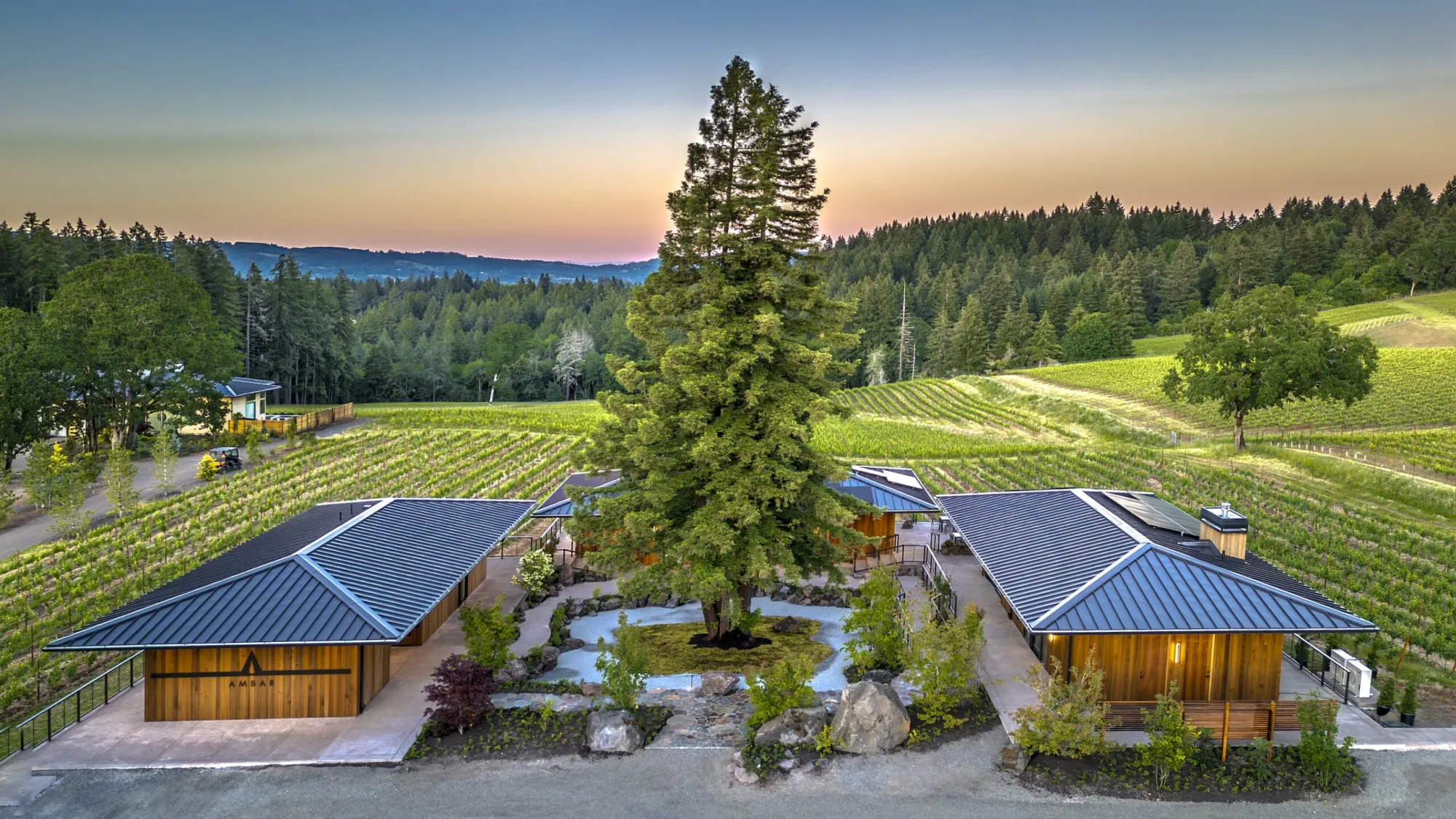

Sustainability has become a common term in the wine industry, but its meaning can vary widely from one vineyard to another. For some producers, sustainability focuses on reducing environmental impact. For others, it involves a broader commitment to protecting natural resources, supporting biodiversity, and ensuring the long-term health of the land.
At Ambar Estate, sustainability is not a single initiative. It is an ongoing approach to vineyard stewardship that influences decisions throughout the growing season. From soil management and water conservation to habitat preservation and regenerative farming practices, each element plays a role in maintaining a healthy vineyard ecosystem.
Located in Oregon’s Willamette Valley, Ambar Estate farms with a long-term perspective, recognizing that exceptional wines begin with responsible care for the land.
What Is Sustainable Viticulture?
Sustainable viticulture refers to vineyard farming practices that balance environmental responsibility, agricultural productivity, and long-term land stewardship.
Rather than focusing solely on grape production, sustainable viticulture considers the broader ecosystem surrounding a vineyard. This includes soil health, water quality, biodiversity, and the impact farming practices have on future generations.
The goal is not simply to preserve the land but to improve its resilience over time.
Why Sustainability Matters in the Willamette Valley
The Willamette Valley is one of North America's most respected wine-growing regions. Its cool climate, diverse soils, and natural beauty make it particularly well-suited for varieties such as Pinot Noir and Chardonnay.
Protecting these natural resources is essential to the future of the region's vineyards.
Sustainable farming helps address challenges such as:
- Soil erosion
- Water management
- Habitat preservation
- Climate variability
- Long-term vineyard health
As environmental conditions continue to evolve, sustainable practices help vineyards remain resilient while maintaining the quality of their fruit.
Supporting Soil Health Through Regenerative Farming
Healthy soil forms the foundation of every successful vineyard.
At Ambar Estate, regenerative farming practices are used to support soil structure, biological activity, and long-term fertility. Rather than relying solely on external inputs, regenerative agriculture focuses on strengthening the natural systems already present within the vineyard.
Healthy soils can provide several important benefits:
- Improved water retention
- Increased microbial diversity
- Better nutrient cycling
- Reduced erosion
- Greater resilience during changing weather conditions
Because grapevines depend on the health of the soil beneath them, investing in soil stewardship is one of the most important long-term decisions a vineyard can make.
Protecting Water Resources Through Salmon-Safe Practices
Water quality is closely connected to the health of vineyard ecosystems and surrounding communities.
Ambar Estate's commitment to responsible farming includes practices that support watershed protection and environmental stewardship. Through Salmon-Safe certification standards, farming decisions are made with consideration for nearby waterways and wildlife habitats.
These efforts help reduce environmental impacts while supporting healthy ecosystems throughout the region.
By protecting water resources today, vineyards help preserve the ecological health of the landscape for future generations.
Encouraging Biodiversity Across the Estate
A thriving vineyard is more than rows of grapevines.
Healthy agricultural systems benefit from a diverse range of plants, insects, birds, and wildlife. Biodiversity helps create natural balance and supports the ecological resilience of the vineyard.
At Ambar Estate, biodiversity is encouraged through thoughtful land management practices that help maintain healthy habitats and support beneficial species.
The presence of diverse plant and animal life contributes to a more balanced ecosystem and helps strengthen the long-term health of the vineyard environment.
Supporting Pollinators Through Bee-Friendly Farming
Pollinators play an important role in agricultural ecosystems, even in crops that are not directly dependent on bees for fruit production.
Bee-friendly farming practices help create habitats that support pollinator populations while contributing to broader biodiversity goals.
Maintaining pollinator-friendly environments supports ecological balance and reflects a broader commitment to responsible land stewardship.
These practices are one example of how sustainability extends beyond the vineyard itself to include the surrounding ecosystem.
A Long-Term Approach to Vineyard Stewardship
Sustainable viticulture is ultimately about thinking beyond a single growing season.
Every decision made in the vineyard influences the future health of the land. Practices that support soil quality, biodiversity, and environmental resilience help ensure that vineyards remain productive for decades to come.
This long-term perspective is especially important in regions like the Willamette Valley, where the relationship between agriculture and the natural environment is deeply interconnected.
Responsible stewardship requires ongoing attention, adaptation, and a commitment to continuous improvement.
Why Sustainable Farming Matters to Wine Lovers
For many consumers, sustainability provides greater transparency about how wine is produced.
Understanding vineyard practices offers insight into the values that guide a winery's approach to farming. While sustainability alone does not determine wine quality, it reflects a commitment to protecting the natural resources that make winegrowing possible.
Wine lovers increasingly seek producers that prioritize environmental responsibility, biodiversity, and thoughtful stewardship of the land.
These practices help ensure that future generations can continue to enjoy the landscapes, vineyards, and wines that define regions like the Willamette Valley.
Final Thoughts
Sustainable viticulture is not a single certification or farming technique. It is a comprehensive approach to caring for the land while producing high-quality grapes and wines.
At Ambar Estate, sustainability is reflected through regenerative farming, biodiversity initiatives, responsible water stewardship, and a commitment to protecting the natural environment of the Willamette Valley.
By investing in the long-term health of the vineyard ecosystem, sustainable farming helps create a stronger foundation for future harvests, and for the continued vitality of one of America's most celebrated wine regions.




























Sign in to leave a comment.