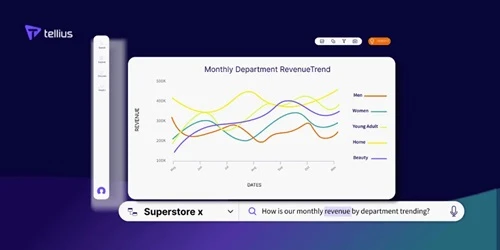

AI analytics tool. Combining the power of artificial intelligence with data science, these tools are redefining how organizations gather, interpret, and act upon data.
What Is an AI Analytics Tool?
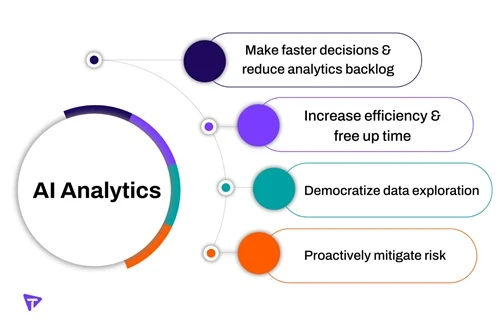
An AI analytics tool is software that uses artificial intelligence and machine learning algorithms to analyze complex datasets, detect patterns, and provide predictive insights. Unlike traditional business intelligence (BI) tools that rely heavily on manual inputs and static dashboards, AI-powered tools automate data preparation, uncover hidden trends, and generate real-time insights that help businesses make faster, more informed decisions.
These tools can work across a wide range of data sources—structured or unstructured—and can perform tasks such as natural language processing (NLP), anomaly detection, sentiment analysis, and forecasting. The goal is to make analytics more accessible and intelligent, even for non-technical users.
Why Businesses Are Embracing AI Analytics Tools
- Automated Data Processing:
One of the biggest challenges businesses face is dealing with vast volumes of raw data. An AI analytics tool can automatically clean, structure, and categorize this data, reducing the time and labor required for analysis.
- Predictive and Prescriptive Insights:
Rather than merely showing what has happened in the past, AI analytics tools offer predictive insights—what is likely to happen—and prescriptive advice—what actions to take. This is invaluable for everything from inventory management and marketing strategy to risk mitigation.
- Natural Language Interfaces:
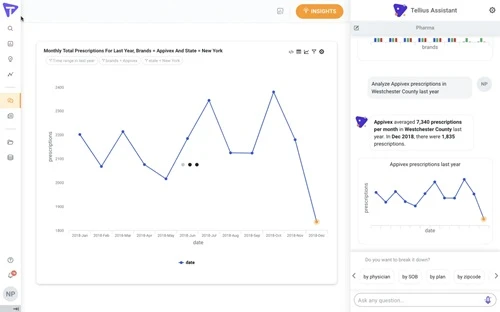
Many modern AI analytics platforms include NLP capabilities, allowing users to ask questions in plain English (or other languages) and get answers instantly. This reduces reliance on technical analysts and democratizes data access across departments.
- Real-Time Analytics:
In today’s fast-paced market environment, businesses need insights instantly. AI analytics tools provide real-time dashboards and alerts, helping teams respond to changes and opportunities as they arise.
- Customizable and Scalable:
Whether you're a startup or a global enterprise, AI analytics tool are highly scalable and can be customized to suit specific industry needs—from finance and retail to healthcare and logistics.
Key Features to Look for in an AI Analytics Tool
- Automated Machine Learning (AutoML): Helps users build, test, and deploy machine learning models without writing code.
- Data Visualization: Offers rich, interactive dashboards that make complex data easy to understand.
- API Integrations: Connects with other tools like CRM, ERP, and cloud storage solutions to ensure seamless data flow.
- Security and Compliance: Ensures that sensitive data is protected and analytics comply with industry regulations.
- Collaboration Tools: Allows teams to share insights, annotate reports, and collaborate directly within the platform.
Real-World Applications of AI Analytics Tools
- Retail: AI tools help track customer behavior, forecast demand, and optimize pricing.
- Finance: Banks use these tools to detect fraud, assess credit risk, and automate trading strategies.
- Healthcare: Hospitals use AI analytics to predict patient readmissions, personalize treatments, and manage resources.
- Manufacturing: Helps predict equipment failures, streamline operations, and manage supply chains efficiently.
Challenges and Considerations
While the benefits are immense, implementing an AI analytics tool does come with challenges. Data quality and integration complexity can affect performance. Additionally, there’s a learning curve for teams unfamiliar with AI-powered platforms. However, with proper training and change management, these hurdles can be effectively overcome.
Conclusion
The rise of the AI analytics tool marks a significant shift in how businesses handle data. By automating the analysis process and delivering deeper, faster insights, these tools empower organizations to become more agile, efficient, and competitive. As AI continues to evolve, the tools will only become more powerful, making now the ideal time for businesses to embrace AI-driven analytics and unlock their full potential.
























Sign in to leave a comment.