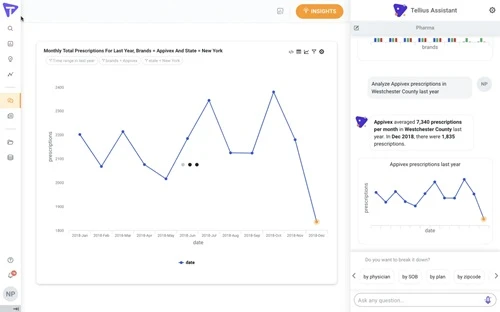

The pharmaceutical industry is in the midst of a digital revolution, with pharma analytics emerging as a key driver of innovation and efficiency. From streamlining drug development to enhancing regulatory compliance and improving patient outcomes, data analytics is transforming every corner of the pharma world.
As the volume and complexity of healthcare and pharmaceutical data continue to grow, pharma analytics helps turn this data into actionable insights—unlocking new opportunities and improving decision-making across the value chain.
What is Pharma Analytics?
Pharma analytics refers to the use of data analysis tools and techniques in the pharmaceutical sector to make better business, clinical, and operational decisions. It involves the integration of data from various sources—clinical trials, supply chains, marketing, patient records, and more—to extract insights that can drive strategy and performance.
From drug discovery and development to commercial strategies and pharmacovigilance, pharma analytics plays a critical role in enhancing outcomes while reducing costs and risks.
Key Applications of Pharma Analytics
- Accelerated Drug Discovery and Development: Pharma analytics is revolutionizing how new drugs are discovered and developed. By analyzing biological data, chemical structures, and trial results, pharmaceutical companies can identify promising drug candidates faster. Machine learning and AI models help simulate drug behavior, cutting down on the need for time-consuming lab tests.
- Optimized Clinical Trials: Clinical trials are among the most expensive and time-consuming parts of the pharmaceutical process. Analytics helps optimize trial design, identify ideal patient populations, monitor data in real time, and predict outcomes. This increases efficiency, reduces failure rates, and speeds up time to market.
- Enhanced Regulatory Compliance: With stringent regulatory requirements, pharmaceutical companies must ensure data accuracy, traceability, and transparency. Pharma analytics tools enable automated tracking of trial data, adverse events, and compliance activities—reducing human error and audit risk.
- Effective Supply Chain Management: Supply chains in pharma are complex and sensitive. Predictive analytics helps forecast demand, manage inventories, and prevent disruptions. This ensures the timely and cost-effective delivery of drugs, especially in critical times like pandemics or during product recalls.
- Commercial Strategy and Market Intelligence: Pharma analytics also aids in market analysis, competitor tracking, sales forecasting, and customer segmentation. With data-backed insights, companies can optimize product launches, pricing strategies, and promotional efforts to improve ROI.
- Pharmacovigilance and Drug Safety: Monitoring the safety of medications post-launch is crucial. Pharma analytics enables real-time detection of adverse drug reactions and side effects from vast data sources like EHRs, social media, and healthcare databases. This helps maintain public safety and regulatory compliance.
Technologies Behind Pharma Analytics
The backbone of pharma analytics includes technologies like:
- Big Data Platforms: Capable of storing and managing large datasets from trials, sensors, and more.
- Artificial Intelligence & Machine Learning: Driving pattern recognition, predictions, and decision-making.
- Cloud Computing: Offering scalable, secure, and collaborative data environments.
- Data Visualization Tools: Such as Tableau or Power BI, helping stakeholders interpret insights clearly.
These technologies enable companies to move from descriptive to predictive and even prescriptive analytics, shaping the future of pharma decision-making.
Challenges and Future Outlook
Despite its immense potential, pharma analytics faces some challenges. Data privacy, integration of siloed data, lack of skilled professionals, and ensuring regulatory alignment are ongoing concerns. However, continued innovation and investment are gradually overcoming these barriers.
The future of pharma analytics lies in deeper AI integration, personalized medicine, real-world evidence generation, and value-based healthcare models. As analytics matures, it will continue to reshape how pharmaceutical companies innovate and deliver care.
Final Thoughts
Pharma analytics is no longer a luxury—it's a strategic necessity. By leveraging advanced data tools and techniques, pharmaceutical companies can improve research, streamline operations, stay compliant, and better serve patients around the globe.























Sign in to leave a comment.