
Efficient warehouse management is critical for businesses looking to optimize their storage capacity and improve operational productivity. Among modern storage solutions, the automated pallet shuttle has emerged as a game-changing technology. By automating pallet movement within racking systems, this system maximizes storage density while reducing operational complexity. Understanding how an automated pallet shuttle improves space utilization is essential for organizations seeking to enhance warehouse efficiency.
Understanding Automated Pallet Shuttles
What Is an Automated Pallet Shuttle
An automated pallet shuttle is a mechanized system designed to move pallets within storage racks without the need for traditional forklifts for every movement. These shuttles operate on rails inside the racking structure, transporting pallets to designated locations based on warehouse management system instructions. Unlike conventional storage methods, the automated pallet shuttle allows multiple pallets to be stored in deep lanes, optimizing both vertical and horizontal space.
Key Components of the System
The system typically consists of shuttles, rails, and a control interface. Shuttles are battery-powered or electrically driven vehicles that navigate storage lanes independently. Rails guide the shuttle along each lane, ensuring safe and accurate movement. The control interface integrates with warehouse management software, allowing real-time tracking of pallets and intelligent allocation of storage space.
Differences From Traditional Storage Methods
Traditional pallet storage often relies on forklifts moving pallets in and out of racks, which can result in unused vertical space and wider aisles. In contrast, automated pallet shuttles enable denser storage by minimizing aisle width and allowing deeper racking. This difference has a direct impact on overall warehouse footprint and storage efficiency.
How Space Utilization Is Enhanced
Maximizing Vertical Storage
One of the primary advantages of automated pallet shuttles is the ability to fully exploit vertical space. Conventional forklift operations require a safety margin above each pallet, limiting vertical storage. Automated shuttles, however, can navigate with precision at varying heights, enabling the stacking of multiple pallet levels without compromising accessibility. This capability significantly increases the cubic utilization of warehouse space.
Increasing Storage Density
Automated pallet shuttles facilitate the storage of pallets in double-deep or even triple-deep configurations. By using shuttle systems instead of relying on manual forklift access, storage density can be maximized while maintaining efficiency in retrieving and placing pallets. This compact storage arrangement reduces wasted space within racks and allows warehouses to store more inventory without expanding their physical footprint.
Reducing Aisle Space Requirements
Conventional forklift-based warehouses require wide aisles for maneuvering, which occupies valuable square footage. Automated pallet shuttles operate within the racks, eliminating the need for extensive aisle space. This optimization enables warehouses to either increase the number of storage lanes or repurpose the space for additional operational activities, ultimately improving overall facility efficiency.
Optimizing Lane Utilization
Shuttle systems manage lane allocation dynamically, storing pallets in a manner that minimizes empty slots. Through intelligent routing and automated placement, every lane can be utilized to its maximum potential. This reduces the occurrence of partially filled lanes, a common issue in manual storage systems, and ensures a more efficient use of the warehouse layout.
Operational Benefits Supporting Space Efficiency
Faster Pallet Movement
Automated pallet shuttles move pallets faster than manual methods, reducing time spent retrieving or storing goods. This speed allows warehouses to handle higher throughput within the same storage space, effectively increasing operational capacity without requiring physical expansion.
Enhanced Safety
By limiting forklift activity within storage lanes, automated pallet shuttles reduce the risk of accidents that can damage stored goods or the racking structure. Safer operations prevent the loss of storage space due to pallet damage and maintain the integrity of high-density racks.
Reduced Labor Requirements
Automation decreases the dependency on manual labor for routine pallet movements. Workers are free to focus on higher-value tasks, and the reduced human presence in high-density areas allows tighter storage configurations without compromising safety or accessibility.
Integration With Warehouse Management Systems
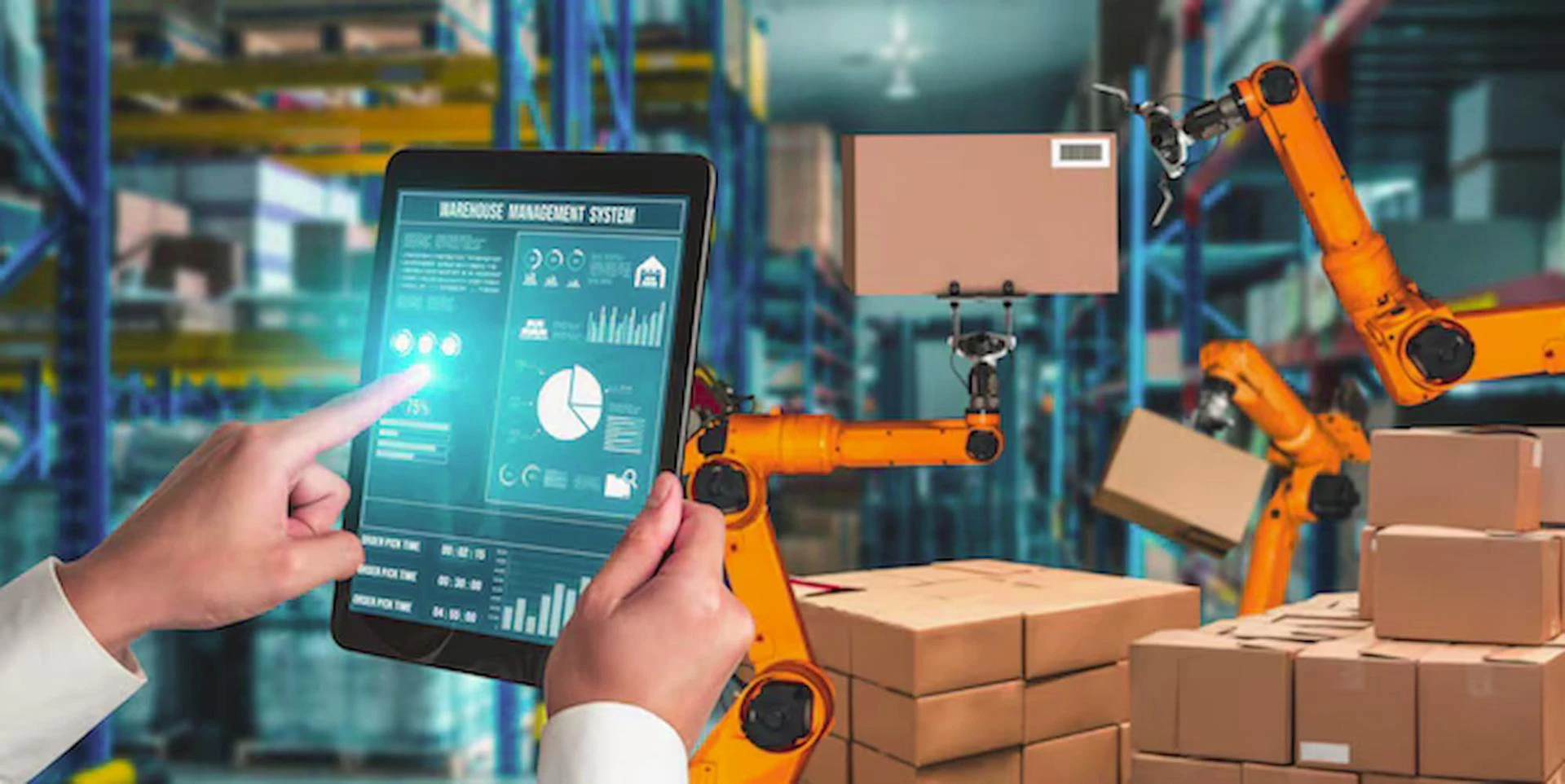
Automated pallet shuttles work seamlessly with warehouse management systems to track inventory placement in real-time. Accurate location tracking ensures that pallets are stored in the most efficient positions, further enhancing space utilization. The system can also prioritize storage based on product turnover, keeping fast-moving items in easily accessible locations without sacrificing storage density.
Practical Applications in Various Industries
Food and Beverage Warehousing
In the food and beverage sector, automated pallet shuttles are particularly beneficial for cold storage warehouses, where space is costly and energy efficiency is critical. High-density storage enables maximum inventory while maintaining temperature control and minimizing energy costs.
Retail and E-Commerce Fulfillment
Retail and e-commerce warehouses often require quick access to diverse inventory. Automated pallet shuttles allow deep storage for bulk items while ensuring fast retrieval for individual orders. This combination of density and accessibility enhances space utilization and operational responsiveness.
Pharmaceutical and Healthcare Storage
Pharmaceutical warehouses must comply with strict inventory management and safety standards. Automated pallet shuttles enable dense storage of sensitive products, while automated tracking ensures compliance and rapid retrieval when needed.
Considerations for Implementing an Automated Pallet Shuttle
Initial Investment
The implementation of an automated pallet shuttle system requires significant upfront investment in hardware, software, and training. However, the long-term gains in storage efficiency and operational productivity often justify the expenditure.
Warehouse Layout and Design
Maximizing the benefits of an automated pallet shuttle requires careful planning of warehouse layout. Lane depth, rack height, and aisle configurations must be designed to accommodate shuttle movement while maintaining optimal storage density.
Maintenance and Reliability
Regular maintenance ensures the reliability of shuttle operations and prevents downtime that could compromise storage efficiency. Monitoring battery levels, rail conditions, and system software updates are essential practices for long-term performance.
Future Trends in Automated Pallet Shuttle Technology
Enhanced Robotics and AI Integration
Advances in robotics and artificial intelligence are expected to make automated pallet shuttles even more efficient. Smart algorithms can predict storage patterns, optimize shuttle routes, and further enhance space utilization.
Energy Efficiency and Sustainability
Newer shuttle systems are designed to consume less energy and integrate with sustainable warehouse practices. Reduced energy consumption in high-density storage not only lowers operational costs but also supports environmental sustainability goals.
Scalability and Modular Design
Modern automated pallet shuttles are increasingly modular, allowing warehouses to scale storage capacity as business needs grow. This flexibility ensures that space utilization remains optimal even during periods of rapid expansion.
Conclusion
Automated pallet shuttles represent a transformative solution for warehouses seeking to maximize space utilization and operational efficiency. By enabling vertical stacking, increasing storage density, reducing aisle space, and optimizing lane allocation, these systems allow organizations to store more inventory within the same physical footprint. Coupled with faster operations, enhanced safety, and seamless integration with warehouse management systems, automated pallet shuttles are a strategic investment for businesses focused on long-term efficiency and growth. Companies like Avectous demonstrate how adopting such advanced solutions can significantly enhance warehouse performance and optimize storage capacity, making them a key partner for modern supply chain operations.




























Sign in to leave a comment.