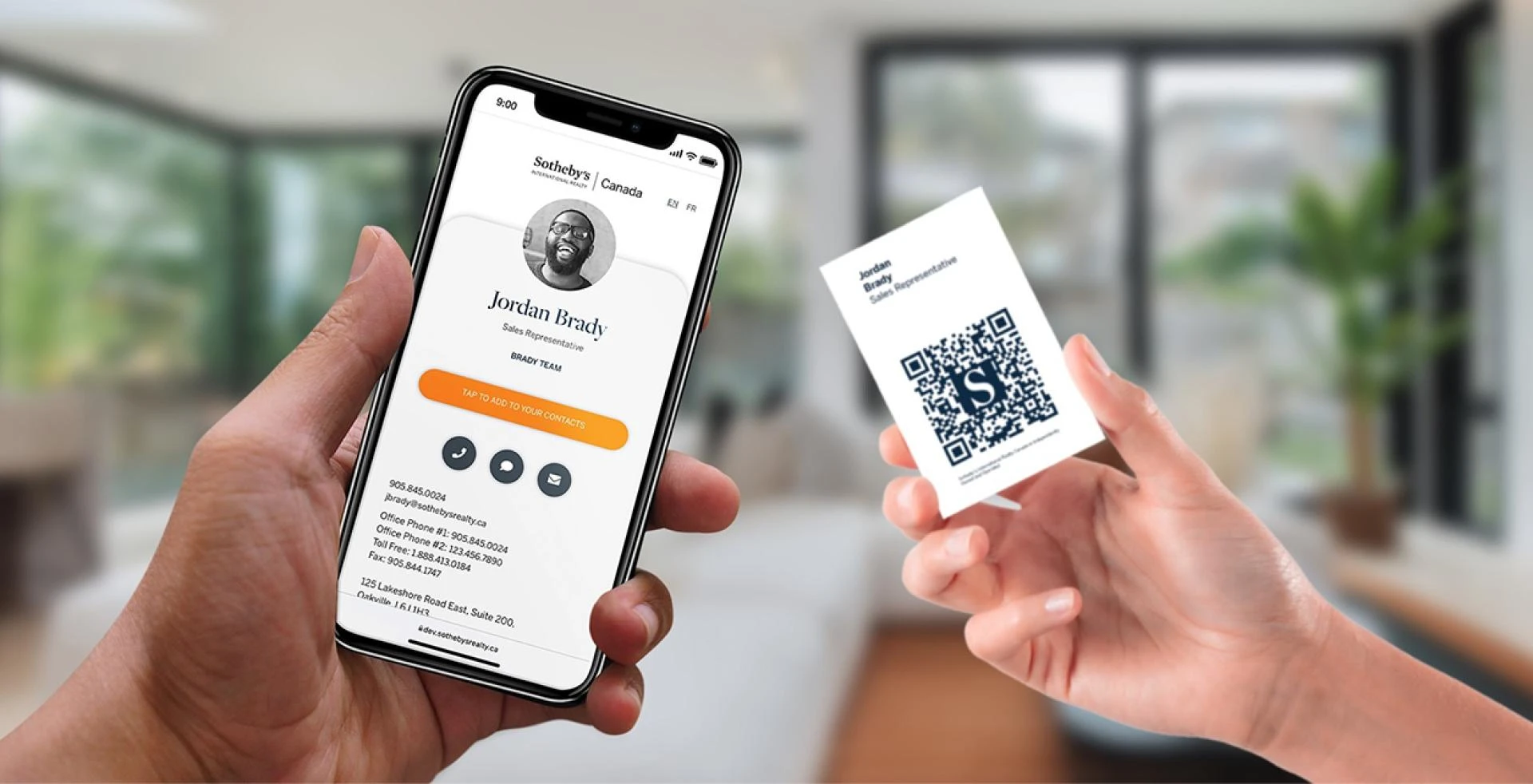

In Singapore’s fast-paced business world, how we share contact details is shifting. The traditional paper name card is making way for the electronic name card. This move isn’t just about using phones or QR codes, as it’s a bigger change that reflects how companies think, work and connect.
Digital cards are quicker to update, easier to share and better for the planet. They also help people stay in touch, whether they work in an office, at home or on the go. With more companies focusing on smart tools and green goals, electronic name cards are becoming part of daily business life.
This change is shaping how teams work together, how meetings flow, and how firms present themselves in the modern world.
The Shift to the Electronic Name Card
The way professionals in Singapore exchange contact details is undergoing a quiet yet powerful change. What once relied on stacks of printed cards is now turning digital—faster, cleaner, and more efficient.
Paper Is on Its Way Out
In Singapore, the use of paper name cards is quickly fading. More professionals now prefer electronic name cards. It’s not just a switch in format but it’s a sign of broader change in how people work, connect and exchange details.
Instant Sharing and Easy Updates
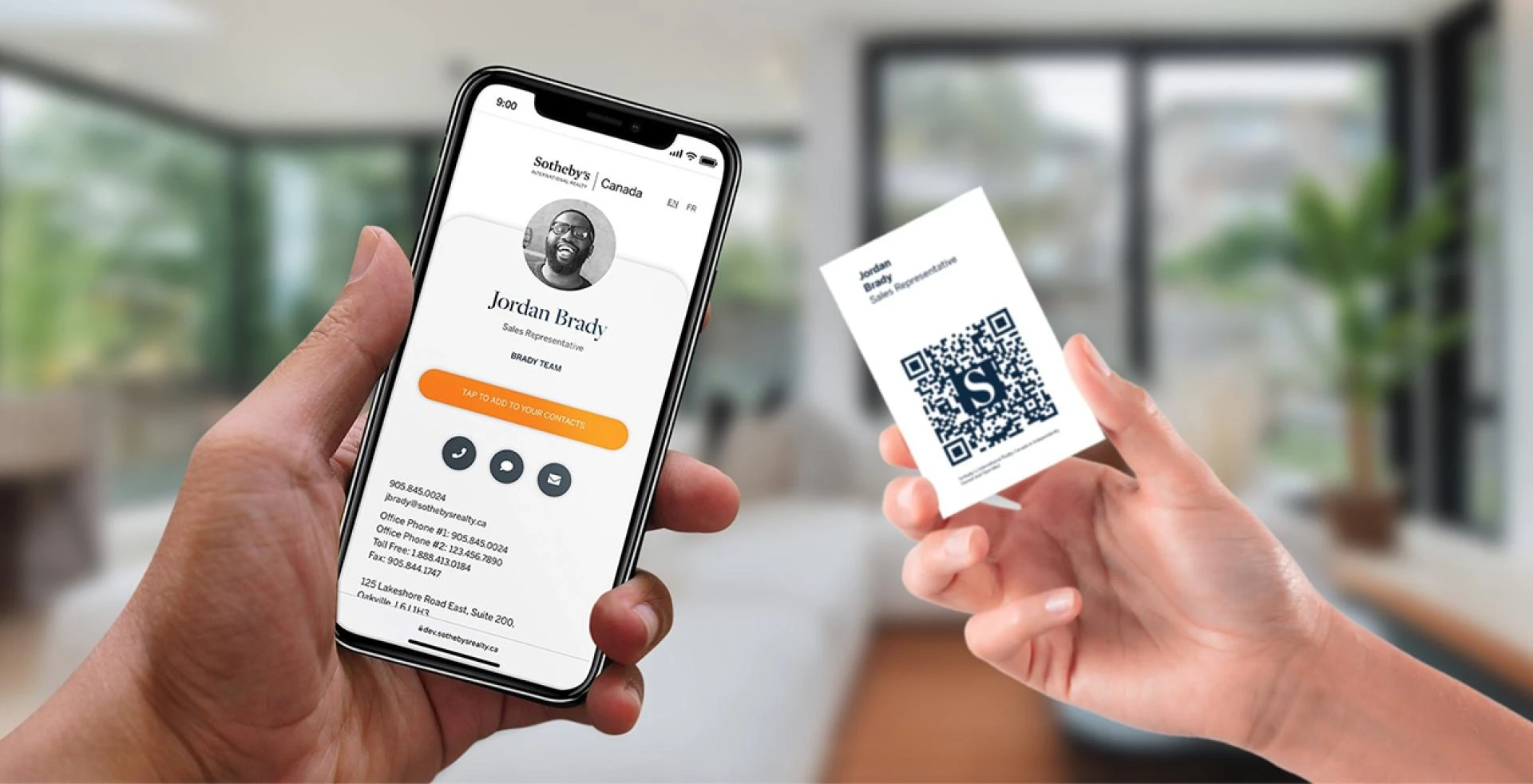
Electronic name cards let you update your contact details whenever needed. If your phone number or job title changes, you don’t need to reprint anything. With one tap or scan, your contacts get the latest version.
A Perfect Fit for Mobile Life
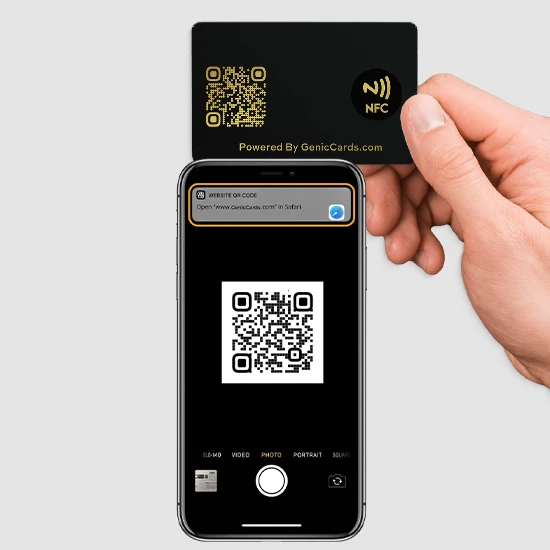
These cards work well with smartphones, QR codes and NFC features. You can share your card in seconds during a meeting, event or even a video call. It suits the fast pace of modern business in Singapore and keeps up with how people now communicate—quick, clean and contactless.
Why the move is growing fast
More professionals in Singapore are ditching paper name cards, and here's why the shift to digital is speeding up.
A Digital-First Workforce
Singapore has a strong tech culture. Most professionals are familiar with mobile apps and digital tools. Switching to electronic cards feels like a natural step. Sharing contact details now takes just a tap, scan or link. It’s quick and smooth, fitting into daily routines with ease.
Cost Savings and Eco Goals
Printed cards use paper, ink and money. They also create waste. Digital cards solve both problems. Companies save on printing and reduce their carbon footprint. For many businesses in Singapore, this matches their push for greener practices and smarter spending.
High-Speed Networking Needs
Singapore is a major business hub. From meetings to trade shows, professionals network often. Time matters. With electronic cards, contact sharing happens in seconds. There’s no need to carry a pile of cards. You can even share yours online before or after a meeting. It fits today’s fast-moving work style.
What this Means for Company Culture
This shift to digital name cards is transforming how teams in Singapore work, communicate, and represent their brands in a modern, connected world.
Stronger brand image
Companies want a clean, united look. With electronic cards, staff can follow a set format. Logos, colours and contact links stay the same. This keeps the brand sharp and clear.
New ways to connect
The old way of handing out cards is changing. Now people tap phones or scan codes. This feels quick and modern. It shows that the company keeps up with the times.
Easier follow-ups
With paper cards, it is easy to forget who gave you what. With digital ones, you store contact info at once. You can follow up faster. This helps with sales and new business leads.
Fits remote and hybrid work
Many teams now work from home or mix office and home days. It is hard to give someone a paper card over a video call. An electronic name card works anywhere. You can send it by email, chat or during an online meeting.
Perks for Staff and Teams
Switching to electronic cards doesn’t just help companies—it also brings daily wins for your team. Here’s how:
Keep info fresh
You can change your details at any time. New phone number? New title? Just update the card. Everyone sees the latest version.
Share more, not less
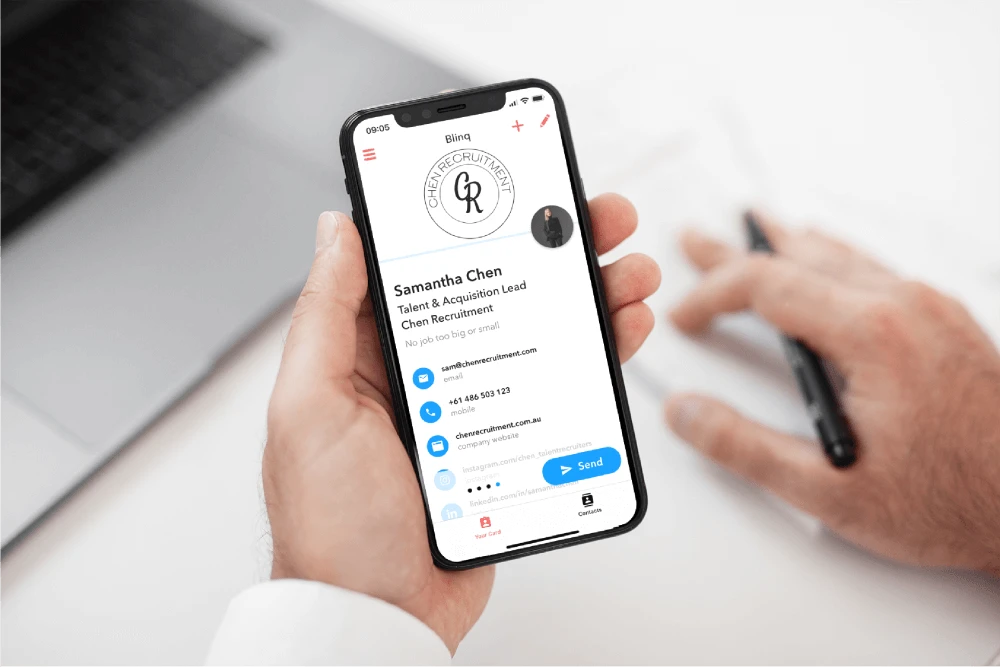
A paper card has space for a name, number and email. A digital one can hold more. You can link to your profile, website or work samples. It gives people a better idea of who you are.
Look smart and ready
Using an electronic card shows you are modern. It gives a good first impression. It makes you look like someone who works fast and thinks ahead.
Cut down on waste and cost
No need to print hundreds of cards. No need to throw away old ones. Digital cards are better for the planet and the wallet.
What to Watch Out for?
Even smart tools need a thoughtful rollout. Keep these points in mind to make the switch smooth:
Change takes time
Some people still prefer paper cards. They like the feel of them. It may take a while for everyone to switch. Teams need support and a little training.
Not All Tech Works the Same
Some phones do not scan well. Some users may not know how to tap or scan. It helps to give people a few ways to share their card.
Set the Rules
Companies need to guide staff. They can provide templates or set what info goes on the card. This keeps things tidy and on-brand.
Keep a Backup
At some events, paper cards may still be needed. It helps to have both options. This way, you are ready for anything.
How Businesses in Singapore Are Using Electronic Name Cards
From Marina Bay boardrooms to online Zoom calls, digital name cards are becoming a must-have in every corner of Singapore’s business world.
Common Practice at Events and Offices
Across Singapore, many professionals now rely on electronic cards. At places like Marina Bay or Suntec, it's common to tap phones, scan QR codes, or send links instead of handing out paper cards. These cards fit well with fast-paced networking events.
Faster Sharing and Tracking
Sales and marketing teams now use digital cards to log contact details straight into their systems. This saves time and helps with tracking leads. It also improves accuracy and follow-ups.
Everyday Changes in Work Habits
You’ll notice small shifts. Staff don’t carry cardholders anymore. They update their job titles or phone numbers online. Many send their cards before meetings as part of prep work. These changes support a more connected, digital-first company culture.
This shift shows how digital habits are now woven into daily business life, making companies in Singapore more agile and forward-thinking.
Tips to get started
Making the switch to electronic name cards is easy but if you guide your team with the right steps from the start.
Use a shared style
Pick a card format that fits your brand. Add your logo, colours and style. Make sure every team member uses the same layout.
Explain the change
Let your team know why the switch helps. Talk about cost, speed and image. Show how simple it is to share and update their business card NFC with just a tap or scan.
Give support
Show staff how to share the card. Teach them to scan, tap or send it by link. Make it simple.
Keep control
Have one place where cards are managed. Check that info stays up to date. Make sure contact details are correct.
Check and improve
See how many staff are using the new card. Ask if clients like it. Find out what works and what can be better.
Conclusion
The electronic card is more than a digital trend but it’s a sign of how business culture in Singapore is growing. It helps people share contact details faster, cut waste and stay in step with today’s working style.
Companies now care more about image, speed and smart choices. Switching from paper to digital shows that a company values these things. It also supports teams that work across offices, borders or time zones.
As habits change, firms that adopt electronic cards show they are modern, sharp and ready for the future. It’s a small step that carries real weight. In a place like Singapore, where progress moves fast, the electronic name card is quickly becoming the new standard.
FAQs
1. What is an electronic name card?
An electronic name card is a digital version of a traditional business card. You can share it by tapping phones, scanning QR codes, or sending a link. It stores contact details, social links, and more.
2. Why are companies in Singapore switching to electronic name cards?
They save money, cut paper waste, and fit the fast digital lifestyle. Electronic cards also help with brand consistency and easy updates.
3. Can electronic cards be used at all business events?
Yes. They work at trade shows, meetings, and online calls. Most professionals in Singapore now use them for both in-person and virtual networking.
4. Are electronic name cards safe to use?
Yes. Reputable digital card platforms use secure systems and encryption. Always choose providers with privacy controls and data protection features.




















Sign in to leave a comment.