Planning and managing an event requires careful coordination of numerous tasks, from marketing and registrations to attendee management and payment processing. Whether organizing a conference, concert, theater production, charity fundraiser, or community gathering, event organizers face increasing pressure to deliver a seamless experience while maximizing revenue. Fortunately, modern ticketing technology has made this process significantly easier.
A reliable event ticketing system helps organizers automate routine tasks, improve operational efficiency, and provide attendees with a smooth purchasing experience. By centralizing event management functions, these platforms reduce administrative workload and allow organizers to focus on creating memorable events.
The Evolution of Event Management
In the past, event registration and ticket sales often relied on manual processes, paper tickets, spreadsheets, and multiple disconnected tools. These methods consumed valuable time and increased the likelihood of errors.
Today, digital ticketing solutions have transformed the industry. Event organizers can create event pages, manage registrations, process payments, track attendance, and generate reports from a single platform. This shift has improved efficiency while making it easier for attendees to purchase tickets online.
As consumer expectations continue to rise, organizations are increasingly adopting modern ticketing solutions to stay competitive and deliver better customer experiences.
Simplifying Event Planning with Technology
One of the greatest benefits of using an event ticketing system is the ability to manage multiple aspects of an event from one centralized location.
Instead of juggling separate tools for registrations, payments, promotions, and attendee communications, organizers can streamline operations through a unified platform. Automated confirmation emails, event reminders, and digital ticket delivery help eliminate repetitive tasks and reduce administrative burdens.
This level of automation not only saves time but also minimizes human error, ensuring a smoother experience for both organizers and attendees.
Improving Ticket Sales and Revenue
Generating strong ticket sales is a primary objective for most events. Modern ticketing platforms make purchasing simple and convenient, encouraging more people to complete transactions.
Attendees can buy tickets online at any time using their preferred devices. Mobile-friendly checkout processes, secure payment options, and instant ticket delivery contribute to higher conversion rates.
Many ticketing platforms also offer promotional features such as discount codes, early-bird pricing, VIP packages, and group discounts. These tools help organizers attract different audience segments and maximize attendance.
By removing barriers to purchase, organizations can significantly improve their sales performance and overall event profitability.
Enhancing the Attendee Experience
The attendee experience begins long before guests arrive at the venue. A smooth ticket-buying process creates a positive first impression and builds confidence in the event.
Digital ticketing systems allow attendees to register quickly, receive instant confirmations, and access tickets directly from their smartphones. On event day, QR code scanning and mobile check-in capabilities help reduce waiting times and improve entry management.
A positive experience often leads to higher attendee satisfaction, stronger brand loyalty, and increased likelihood of future participation.
Supporting Nonprofit and Fundraising Events
Fundraising events require specialized tools that go beyond standard ticket sales. Many charitable organizations rely on solutions designed for online ticket sales for nonprofits to manage registrations, donations, sponsorships, and fundraising campaigns.
These platforms allow supporters to purchase tickets and contribute additional donations during the checkout process. This integrated approach helps nonprofits increase fundraising opportunities while simplifying event administration.
By automating donation tracking and attendee management, nonprofit organizations can focus more on advancing their mission and engaging with supporters.
Meeting the Unique Needs of Theaters
Performing arts venues often require more advanced functionality than standard event organizers. Reserved seating, recurring performances, memberships, and subscription packages create additional complexity.
Modern theater ticketing software helps venues efficiently manage seating charts, ticket inventory, and audience relationships. Patrons can select preferred seats during checkout, while venue managers maintain complete control over pricing and availability.
Many theaters also benefit from audience analytics and reporting tools that provide insights into attendance trends and customer behavior. These features help venues improve programming decisions and strengthen patron engagement.
As competition for audience attention grows, many venues are turning to theater ticketing software to modernize operations and improve customer satisfaction.
Data-Driven Decision Making
Access to accurate data is essential for successful event management. Ticketing platforms provide valuable insights into ticket sales, attendee demographics, marketing effectiveness, and revenue performance.
Organizers can identify which promotions generate the most sales, determine peak purchasing periods, and better understand attendee preferences. These insights support smarter planning and more effective marketing strategies.
By leveraging analytics, organizations can continuously improve event performance and increase long-term profitability.
Why Organizations Choose Ticketor
Many event organizers are adopting platforms such as Ticketor to simplify event management and enhance ticket sales. Ticketor offers a comprehensive suite of tools that support ticketing, registration, marketing, attendee management, reporting, and payment processing.
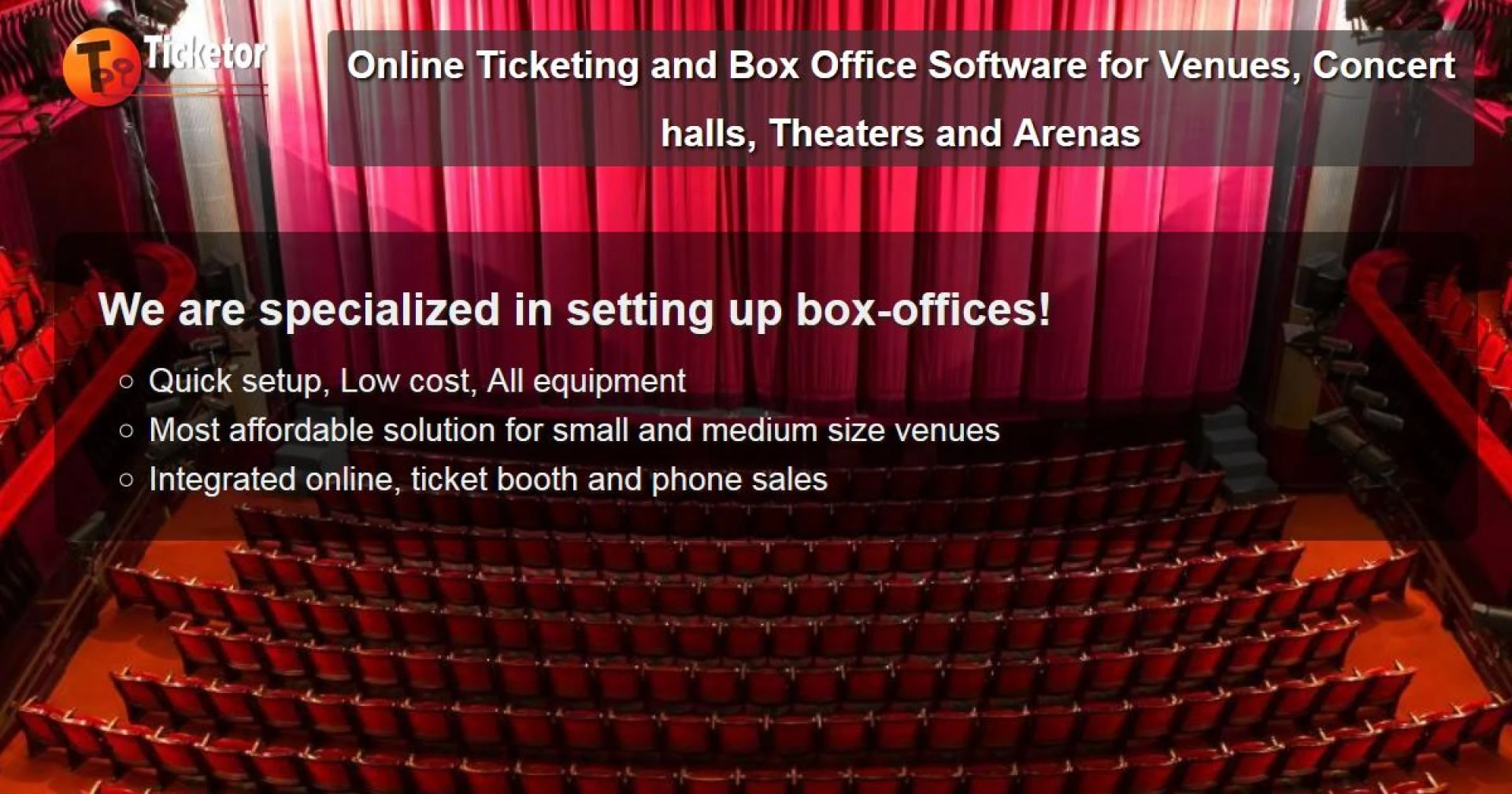
The platform serves a wide range of event types, including concerts, festivals, fundraisers, schools, theaters, and corporate events. Organizations looking for solutions for online ticket sales for nonprofits can benefit from integrated donation features, while venues seeking theater ticketing software functionality can take advantage of reserved seating and audience management capabilities.
By combining flexibility, automation, and user-friendly tools, Ticketor helps organizers reduce complexity while improving operational efficiency.
Conclusion
The event industry continues to evolve, and technology is playing a critical role in its transformation. A modern event ticketing system helps organizers streamline operations, improve attendee experiences, and increase revenue opportunities.
From simplifying registrations and automating communications to supporting fundraising initiatives and reserved seating management, today's ticketing platforms offer solutions for a wide range of event needs. As organizations seek more efficient ways to manage events and engage audiences, platforms like Ticketor provide the tools necessary to achieve lasting success.
Frequently Asked Questions (FAQs)
1. What is an event ticketing system?
An event ticketing system is a software platform that helps organizers manage ticket sales, registrations, payments, attendee information, and event operations from a centralized dashboard.
2. How does an event ticketing system increase ticket sales?
It improves accessibility by allowing attendees to purchase tickets online anytime while supporting promotions, discounts, and marketing campaigns that encourage more sales.
3. Can small organizations benefit from digital ticketing platforms?
Yes. Small businesses, community groups, schools, and nonprofits can use ticketing platforms to automate tasks and improve efficiency without requiring large teams.
4. What features should organizers look for in a ticketing platform?
Important features include online ticket sales, mobile ticketing, payment processing, reporting, attendee management, marketing tools, and customer support.
5. How do online ticket sales for nonprofits help fundraising efforts?
They allow organizations to combine ticket purchases with donations, sponsorship opportunities, and fundraising campaigns, making it easier to generate additional support.
6. Are online ticket sales for nonprofits secure?
Most modern platforms provide secure payment gateways, encrypted transactions, and fraud protection measures to ensure safe donations and ticket purchases.
7. What makes theater ticketing software different from standard ticketing solutions?
Theater ticketing software typically includes reserved seating, seating charts, subscription management, memberships, and recurring event support.
8. Can Ticketor support different types of events?
Yes. Ticketor supports concerts, theaters, festivals, schools, nonprofit fundraisers, conferences, sporting events, and many other event types.
9. How can organizers track event performance?
Most ticketing platforms offer real-time reporting and analytics that help organizers monitor ticket sales, attendance trends, and revenue performance.
10. Why is digital ticketing becoming essential for modern events?
Digital ticketing improves convenience, reduces administrative work, enhances attendee experiences, and provides valuable data that helps organizers make better decisions.





















Sign in to leave a comment.