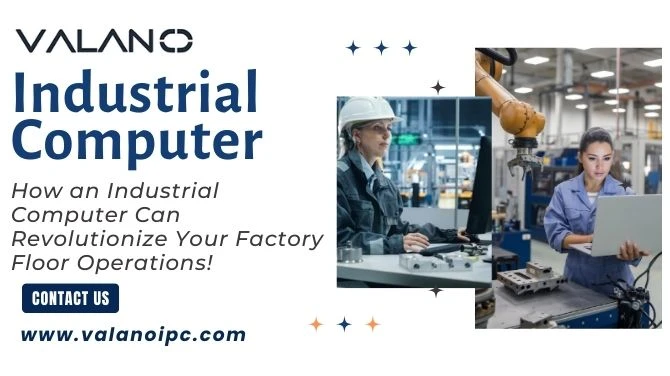
In the age of Industry 4.0, the factory floor is no longer just a place of manual labor and mechanical processes. Instead, it has become a dynamic environment where data, automation, and advanced technology converge to drive productivity, efficiency, and innovation. At the heart of this transformation lies a powerful yet often underappreciated tool: the Industrial Computer. At ValanoIPC, we believe that understanding and leveraging the full potential of industrial computers can be the key to unlocking new levels of operational excellence on your factory floor.
As manufacturing environments become more complex and competitive, the need for robust, reliable, and intelligent computing solutions has never been greater. Traditional office PCs and consumer-grade devices simply cannot withstand the harsh conditions, continuous operation, and demanding workloads of modern factories. This is where the industrial computer steps in, offering a purpose-built solution designed to thrive in the most challenging industrial settings.
Understanding the Industrial Computer
What is an Industrial Computer?
An Industrial Computer is a specialized computing device engineered to operate reliably in industrial environments. Unlike standard desktop or laptop computers, industrial computers are built to withstand extreme temperatures, dust, moisture, vibration, and electrical noise. They are designed for continuous operation, often 24/7, and are equipped with features that ensure long-term durability and minimal maintenance.
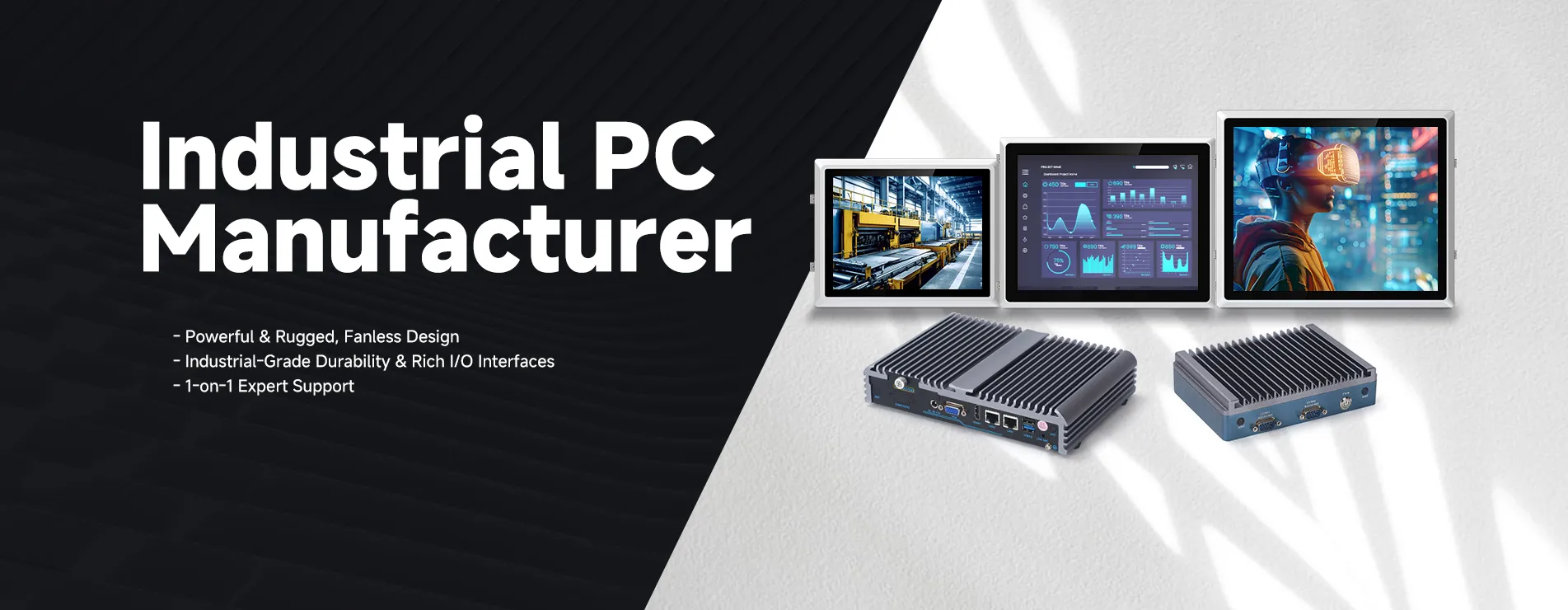
Industrial computers come in various form factors, including panel PCs, rackmount systems, embedded box PCs, and fanless mini PCs. Each type is tailored to specific industrial applications, from machine control and data acquisition to process automation and human-machine interface (HMI).
Key Features of Industrial Computers
- Rugged Construction: Industrial computers are housed in robust enclosures made from materials like stainless steel or aluminum, providing protection against physical damage and environmental hazards.
- Wide Operating Temperature Range: These systems can function reliably in extreme hot or cold conditions, making them suitable for a variety of factory settings.
- Sealed Design: Many models feature high ingress protection (IP) ratings, ensuring resistance to dust, water, and other contaminants.
- Shock and Vibration Resistance: Essential for environments with heavy machinery or mobile applications.
- Long Lifecycle Support: Manufacturers like ValanoIPC offer extended product availability and support, ensuring your investment is protected for years to come.
- Flexible Mounting Options: Industrial computers can be mounted on walls, panels, arms, or even vehicles, providing versatility in installation.
- Rich Connectivity: Multiple I/O ports, including USB, serial, Ethernet, and expansion slots, allow seamless integration with factory equipment and networks.
The Role of Industrial Computers in Factory Floor Operations
Why Are Industrial Computers Essential?
The modern factory floor is a complex ecosystem of machines, sensors, controllers, and human operators. To achieve optimal performance, all these elements must work together seamlessly. An Industrial Computer serves as the central hub that connects, monitors, and controls these components, enabling real-time data collection, process automation, and intelligent decision-making.
Key Roles of Industrial Computers:
- Machine Control: Industrial computers act as the brains behind CNC machines, robots, conveyors, and other automated equipment, executing precise instructions and ensuring smooth operation.
- Data Acquisition and Analysis: By collecting data from sensors, PLCs, and other devices, industrial computers enable real-time monitoring, predictive maintenance, and process optimization.
- Human-Machine Interface (HMI): Touchscreen panel PCs and other HMI devices powered by industrial computers provide operators with intuitive interfaces for controlling and monitoring factory processes.
- Edge Computing: Industrial computers process data locally at the edge of the network, reducing latency and bandwidth usage while enabling faster decision-making.
- Industrial IoT Integration: These systems serve as gateways that connect legacy equipment to modern IoT platforms, facilitating digital transformation and smart manufacturing.
How an Industrial Computer Can Revolutionize Your Factory Floor?
1. Enhancing Productivity
One of the most significant benefits of deploying an Industrial Computer is the dramatic increase in productivity. By automating repetitive tasks, streamlining workflows, and providing real-time insights, industrial computers empower your workforce to focus on higher-value activities. For example, automated quality control systems can inspect products faster and more accurately than manual methods, reducing defects and rework.
2. Improving Operational Efficiency
Industrial computers enable seamless integration between machines, sensors, and enterprise systems. This connectivity allows for better coordination, reduced downtime, and optimized resource utilization. For instance, predictive maintenance applications can analyze equipment data to anticipate failures before they occur, minimizing unplanned downtime and maintenance costs.
3. Ensuring Reliability and Uptime
Factory floors are harsh environments where dust, vibration, and temperature fluctuations are common. Industrial computers are built to withstand these challenges, ensuring continuous operation even in the toughest conditions. Their rugged design and fanless cooling systems reduce the risk of hardware failure, keeping your production lines running smoothly.
4. Enabling Real-Time Decision Making
With the ability to process and analyze data at the edge, industrial computers provide operators and managers with real-time information. This capability enables faster response to changing conditions, immediate troubleshooting, and more informed decision-making. As a result, your factory can adapt quickly to market demands and operational challenges.
5. Supporting Digital Transformation
The journey to a smart factory begins with digitalization. Industrial computers are the foundation of this transformation, enabling the integration of legacy equipment with modern IoT platforms, cloud services, and advanced analytics. By bridging the gap between the physical and digital worlds, industrial computers pave the way for Industry 4.0 initiatives such as predictive maintenance, remote monitoring, and autonomous operations.
Key Applications of Industrial Computers on the Factory Floor
- Machine Automation
Industrial computers are at the core of machine automation, controlling everything from robotic arms to conveyor belts. Their real-time processing capabilities ensure precise execution of tasks, synchronization between machines, and rapid adaptation to changing production requirements. - Process Monitoring and Control
By collecting data from sensors and PLCs, industrial computers enable continuous monitoring of critical process parameters such as temperature, pressure, and flow rates. Advanced control algorithms can automatically adjust machine settings to maintain optimal conditions, improving product quality and reducing waste. - Quality Assurance
Automated inspection systems powered by industrial computers use machine vision and AI to detect defects, measure dimensions, and verify product integrity. This automation not only increases inspection speed but also ensures consistent and objective quality control. - Inventory and Supply Chain Management
Industrial computers facilitate real-time tracking of inventory levels, material movements, and production schedules. Integration with warehouse management systems (WMS) and enterprise resource planning (ERP) platforms ensures accurate and timely information flow across the supply chain. - Safety and Compliance
Safety is paramount on the factory floor. Industrial computers can monitor safety systems, control access to hazardous areas, and ensure compliance with industry regulations. In the event of an emergency, they can trigger alarms, shut down equipment, and guide operators through safety protocols.
How to Choose the Right Industrial Computer for Your Factory?
Selecting the best Industrial Computer for your factory floor involves several critical considerations. Here’s a step-by-step guide to help you make an informed decision:
1. Assess Your Application Requirements
Identify the specific tasks the industrial computer will perform. Will it be used for machine control, data acquisition, HMI, or edge computing? The application will determine the required processing power, memory, storage, and connectivity.
- CPU: Choose from energy-efficient processors for basic tasks or high-performance CPUs for demanding applications.
- RAM: Ensure sufficient memory for your software and data processing needs.
- Storage: Opt for SSDs for speed and durability, and consider the amount of data you need to store locally.
2. Evaluate Environmental Conditions
Consider the physical environment where the computer will be installed:
- Temperature: Select a model rated for the ambient temperature range.
- Vibration and Shock: If the computer will be mounted on moving equipment, ensure it meets relevant standards.
- Ingress Protection: For dusty or wet environments, look for IP-rated enclosures.
3. Determine Connectivity Needs
List all the devices and networks the computer must connect to:
- USB and Serial Ports: For peripherals and legacy equipment.
- Ethernet: For network and internet access.
- Wireless: For remote or mobile applications.
- Expansion: For future-proofing and additional I/O.
4. Consider Mounting and Space Constraints
Measure the available space and choose a form factor and mounting option that fits your installation.
5. Check for Certifications and Compliance
Depending on your industry, you may need certifications such as CE, FCC, UL, or specific standards for hazardous locations.
6. Plan for Long-Term Support
Choose a reputable supplier like ValanoIPC that offers long-term product availability, technical support, and warranty options.
The ValanoIPC Advantage
At ValanoIPC, we specialize in providing high-quality Industrial Computers tailored to the unique needs of factory floor operations. Our products are engineered for reliability, performance, and longevity, with a focus on customer support and customization.
Why Choose ValanoIPC?
- Expert Consultation: Our team works with you to assess your requirements and recommend the best solution.
- Customization: We offer a range of CPU, memory, storage, and connectivity options to fit your application.
- Long-Term Support: With extended product lifecycles and comprehensive warranties, your investment is protected.
- Quality Assurance: All our products undergo rigorous testing to ensure they meet the highest standards of reliability and performance.
The Industrial Computer is more than just a piece of hardware—it is the engine that drives modern factory floor operations. By enabling automation, real-time data analysis, and seamless connectivity, industrial computers empower manufacturers to achieve new heights of productivity, efficiency, and innovation.
Frequently Asked Questions (FAQ)
1. What is the difference between an industrial computer and a regular desktop PC?
An industrial computer is designed for harsh environments, with rugged construction, passive cooling, and a compact form factor. Unlike regular desktop PCs, it operates reliably in extreme conditions, requires less maintenance, and is more resistant to dust, vibration, and temperature fluctuations.
2. Can an industrial computer handle demanding applications?
Yes, modern industrial computers are available with powerful processors, ample memory, and fast storage, making them suitable for demanding tasks such as machine vision, data analysis, and real-time control.
3. How do industrial computers dissipate heat without a fan?
Many industrial computers use passive cooling methods, such as large heat sinks and thermally conductive chassis, to transfer heat away from internal components and dissipate it into the surrounding air.
4. Are industrial computers energy efficient?
Absolutely. These computers are designed to consume less power than traditional computers, making them ideal for energy-conscious applications and reducing overall operating costs.
5. What operating systems are supported?
Industrial computers typically support a range of operating systems, including Windows, Linux, and sometimes specialized real-time operating systems (RTOS). Always check compatibility with your specific software requirements.
6. Can I expand the I/O or storage on an industrial computer?
Many models offer expansion slots or modular designs that allow you to add additional I/O ports, storage drives, or wireless modules as needed.
7. How long do industrial computers last?
With no moving parts and rugged construction, these computers can last 5-10 years or more, depending on usage and environmental conditions.
8. Are industrial computers suitable for outdoor use?
Some models are designed for outdoor use, with weatherproof enclosures and wide temperature ranges. Always verify the specifications for your intended application.
9. What support does ValanoIPC offer?
ValanoIPC provides expert technical support, extended warranties, and long-term product availability to ensure your investment is protected.
Sign in to leave a comment.