
Introduction
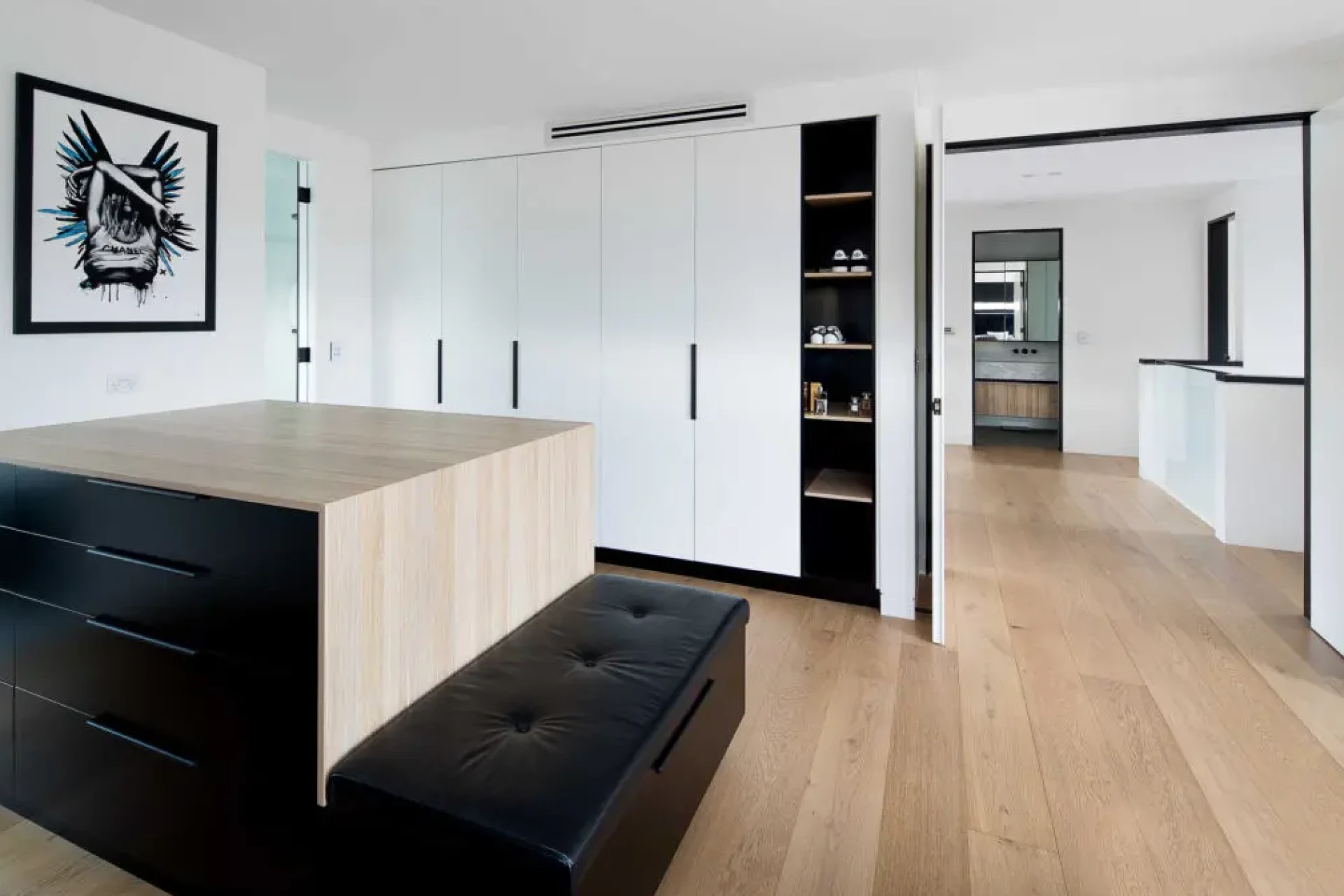
Architecture photography is an art form that captures the essence of buildings and structures. Pictures that once just sat there now leap off the page, telling a lively story. Beyond just pretty pictures, this photography zeroes in on what makes something useful and truly inventive. Sharp photos let you truly see a building's tiny parts and huge scale.
1. The Art of Composition
Composition plays a crucial role in architecture photography. Hiring a skilled architecture photographer in Sydney ensures that elements within a frame are arranged to create visually appealing images. Photographers use various techniques to achieve this. Leading lines, for instance, guide the viewer’s eye through the photograph. Symmetry and patterns can provide balance and harmony. Additionally, the rule of thirds helps in positioning subjects off-centre, adding interest and depth.
Don't overlook the lighting either. Natural light vividly showcases textures and materials. Artificial lighting, conversely, deeply impacts mood and drama. The sun's position completely changes how light looks, which then sets the whole mood of a picture.
2. Capturing Details and Scale
A significant aspect of architecture photography is capturing the details that define a structure. Think about the surface feel, the specific materials used, and any intricate patterns. Close-up shots can reveal craftsmanship and artistry not immediately visible from a distance. They bring the details forward. These parts truly define the building's character.
Remember, scale truly counts. You grasp the sheer size and impressive nature of any structure. Including people or objects within the frame provides a sense of proportion. You'll immediately understand the building's enormous scale.
3. The Role of Perspective
Where you stand completely changes how you see a building. Photographers frequently try different angles, looking for the strongest way to show something. Shooting from a low angle can make a building appear more imposing and majestic. Conversely, a high vantage point can emphasise layout and surroundings.
Mirrors and reflections often add a surprising visual pop to any space. They can balance the pieces or show the design abstractly. Time and again, photos made with this method just pop off the screen.
4. Emphasising Context and Surroundings
Architecture photography also emphasises the context and environment of a structure. Consider a building: the area around it shapes how you feel about the design. Cities often show off new buildings right beside old landmarks. Natural settings can complement organic architectural forms.
Including context in photographs tells a more comprehensive story. You can see how buildings connect with their surroundings. Consider how a building's appearance speaks to its surroundings. Does it fit right in, or does it stand out in a bold way?
5. Fresh Ideas. Smart Tools.
Digital tools changed how we take pictures of buildings. Photographers get incredible power from their sharp cameras and clever editing programs. They put you in charge of every shade, every highlight, and the total brightness. So, pictures get a boost, making hidden parts pop out and fixing any little flaws.
Drones completely changed what's possible here. Photos taken from the air reveal sights that were once out of reach. Drones let you see buildings from a new angle. They show off every grand space and small detail of an architect's work.
6. The Emotional Impact
Architecture photography goes beyond aesthetics. It makes you feel things. Then, it paints a picture with a story. A strong picture lets you sense a place. Viewers get drawn right in, picturing themselves inside the scene.
Photographers often aim to capture the essence of the architect's vision. That's how they draw you in. Suddenly, you feel a real bond with the place. When a design makes you feel something, that's when it really hits home and leaves a mark.
Conclusion
Look at how architecture photos make designs come alive as art. Photographers give buildings a living presence through their considered framing, sharp eye for surface textures, and advanced photographic equipment. People walk away remembering these spaces, sensing more than just concrete and steel.
Architects fill this art with their ideas. It shows their bold vision. You can see the photographer's talent in making that specific picture happen. Just look at these pieces, and you'll instantly grasp how wild ideas can take on physical form.




























Sign in to leave a comment.