
Introduction
The importance of architectural photography is often overlooked. Image quality plays a vital role in capturing the artistry, intricacy, and minutiae behind every structure, which is essential for architects, designers, and property owners. Such images do more than simply record buildings; they facilitate communication, marketing, and preservation.
1. Capturing Design Intent
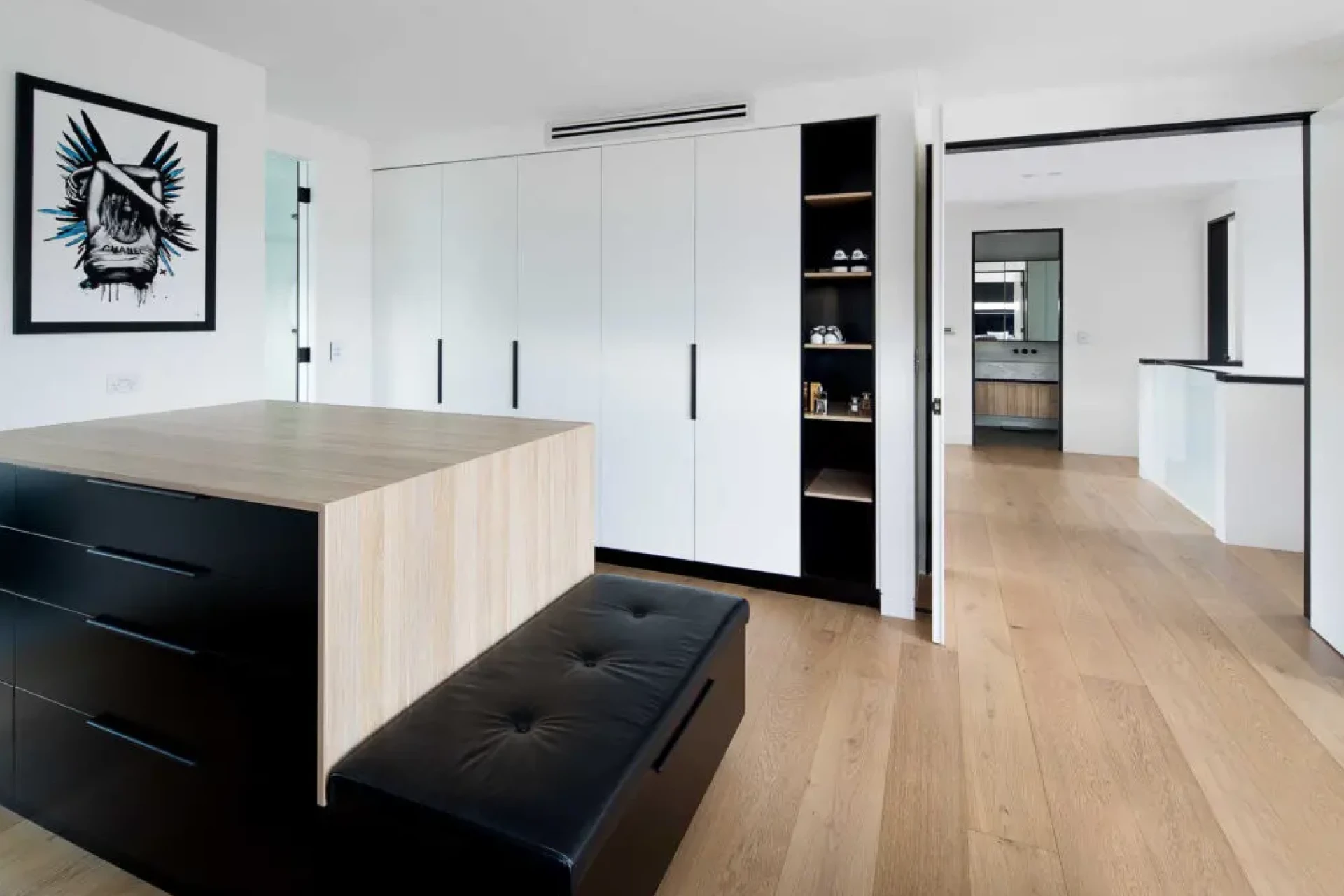
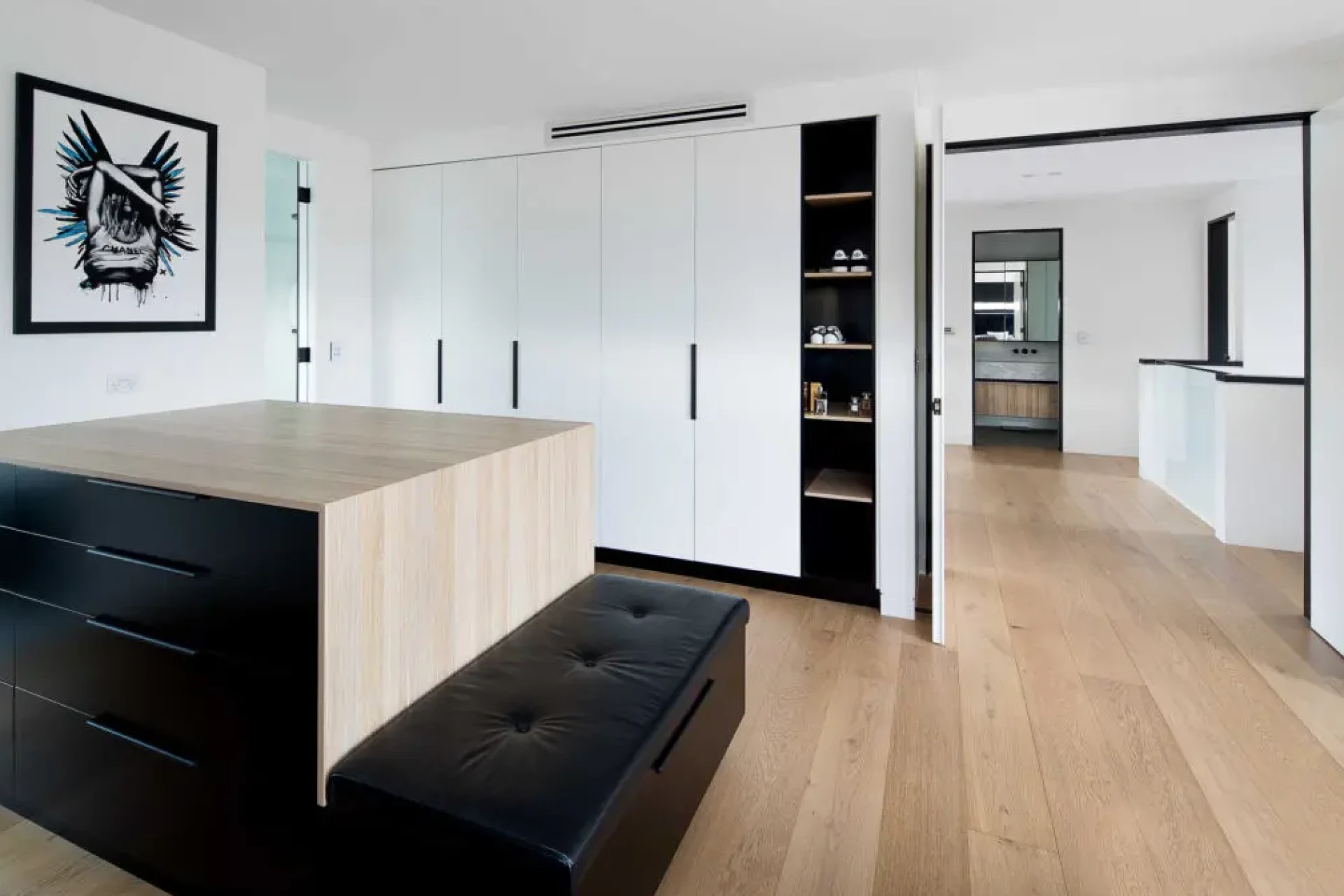
Every construction reflects a unique vision of the creator. Skilled architecture photographers showcase the elements that define the character of a building. Lines, shapes, textures, and context are carefully composed, allowing viewers to recognise the thought and planning behind each project. Within a photograph, we can see how light interacts with space, capturing details that may be missed by the naked eye.
2. Enhancing Marketing Efforts
Compelling images are essential for architects, developers, and other real estate professionals, often leading to new clients, buyers, or projects. Professional photographs typically attract more viewings and can increase property value. High-resolution images convey confidence and professionalism, enabling a property to stand out among multiple listings.
3. Documenting for Historical Records
Buildings often change over time, and some disappear entirely. Carefully photographed structures preserve a visual record for the future, safeguarding cultural and architectural heritage. These images become valuable references for restoration projects or urban studies. They allow future generations to experience both the details and the atmosphere of spaces that may no longer exist.
4. Supporting Award Submissions and Publications
Architectural awards and industry publications rely heavily on high-quality visuals. Without strong imagery, judges cannot fully appreciate design excellence, nor can editors properly assess potential stories. Images taken in poor lighting or captured hastily can diminish the perceived value of a project. Well-planned photography ensures that good work is presented at the standard it deserves, as a single image can often communicate a building’s story more effectively than words alone.
5. Strengthening Brand Identity
Consistency in photography helps represent a brand effectively for firms and professionals. Maintaining cohesive visuals across portfolios, websites, and promotional materials creates a memorable identity. High-quality images reflect the same attention to detail that clients expect in their own projects. This visual consistency builds trust and strengthens a company’s reputation.
6. Facilitating Communication
Photography communicates universally, without the need for translation. As people from different backgrounds may interpret technical drawings differently, clear images help convey design intent to all stakeholders. Architectural photography creates transparency between architects, clients, investors, and the public, encouraging clarity and cooperation and ensuring a shared understanding of the project.
7. Highlighting Unique Features
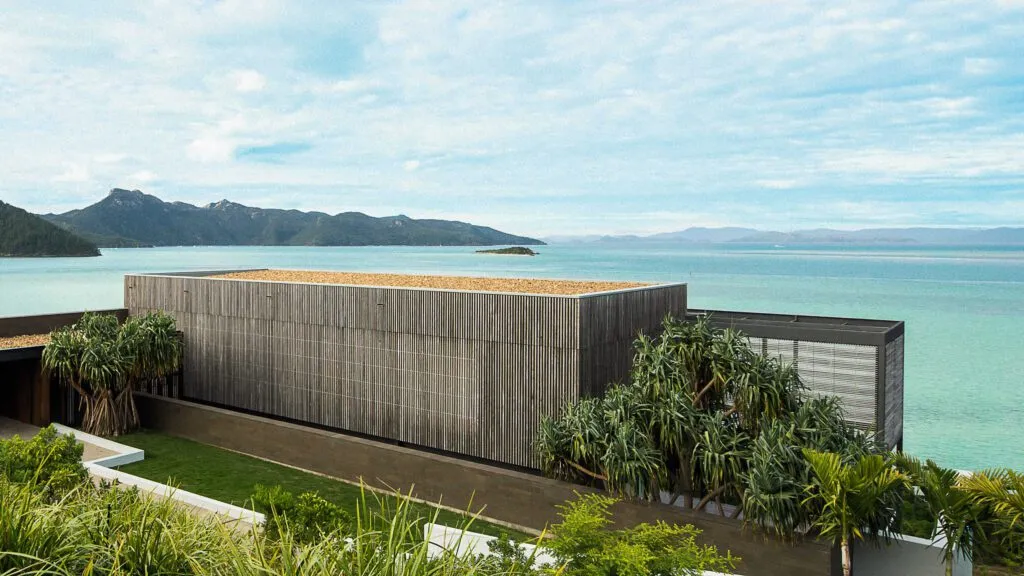
Every architectural structure possesses elements that make it distinctive. Professional photographers understand how to showcase these features effectively. Whether it is a dramatic exterior, natural light interplay, or intricate interior finishes, thoughtful composition highlights these details. Such imagery can inspire others and elevate the profile of designers and builders.
8. Encouraging Engagement on Digital Platforms
Online platforms demand visually engaging content. Quality images consistently outperform text-only posts. Eye-catching photography increases social media sharing, website visits, and online engagement. For architectural professionals, this results in broader reach and greater exposure to audiences who may not otherwise encounter their work.
9. Attracting Future Collaborations
Strong visual presentation can open new opportunities. Potential collaborators, investors, or clients often form impressions based on imagery alone. Projects that demonstrate creativity and craftsmanship can spark interest and lead to collaboration. A refined portfolio signals professionalism and attention to detail.
Conclusion
For those working in the built environment, professional architectural photography is an invaluable asset. It captures design intent, supports marketing objectives, and preserves history while adding long-term value. High-quality images communicate ideas, encourage engagement, and reinforce brand identity. Architecture deserves to be seen, recognised, and appreciated for generations, and investing in professional photography reflects a commitment to that vision.






















Sign in to leave a comment.