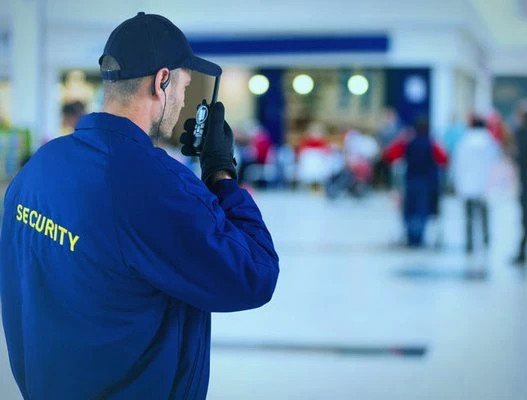

In today’s world, ensuring the safety of people and property is a top priority for businesses, organizations, and public spaces. Armed security guards play a crucial role in providing an immediate and effective response to emergencies, helping to prevent incidents from escalating and minimizing harm. Whether it's a theft, an active shooter situation, a medical emergency, or a natural disaster, armed security personnel are trained to act swiftly and decisively, often being the first line of defense in high-risk situations. This blog explores how armed security guards provide rapid responses in emergencies, emphasizing their critical role in security and safety management.
Immediate Presence and Deterrence
One of the primary advantages of having armed security guards on site is their immediate physical presence. In the event of an emergency, such as an attempted robbery or an active shooter scenario, having armed guards positioned throughout a facility or building ensures that help is quickly available. This immediate response time is crucial for minimizing potential damage and saving lives. The presence of armed personnel often acts as a strong deterrent to criminals or individuals with malicious intent, as they know security guards are prepared to act if needed.
The deterrent effect is particularly significant in high-risk environments, such as banks, shopping malls, airports, and government buildings. Criminals are less likely to carry out illegal activities in places where they know armed guards are monitoring the premises. Even in situations where a crime is in progress, armed security officers can step in and neutralize threats much faster than law enforcement officers, especially in areas with significant delays in emergency response times.
Threat Neutralization and Incident Management
Armed security guards are trained to neutralize threats quickly and effectively. In emergency situations, such as an active shooter event, their primary role is to stop the threat and protect innocent lives. Armed guards are equipped to respond to situations where unarmed security personnel might not have the means to subdue a dangerous individual. Their training includes the ability to assess threats rapidly, identify the best course of action, and neutralize the threat with minimal risk to others.
In cases where law enforcement is not immediately available, armed guards can control the situation by providing a temporary safeguard until police or emergency responders arrive. Guards are often trained in crowd control, de-escalation techniques, and tactical strategies, which help them manage the immediate crisis and keep the situation under control. This rapid response can make the difference between an emergency turning into a full-scale disaster or being quickly contained.
Medical and First Aid Response
While armed security guards are trained to handle violent threats, they are also equipped to provide first aid in medical emergencies. Many armed guards undergo certification in basic first aid, CPR, and AED (Automated External Defibrillator) training. In emergencies such as heart attacks, severe injuries, or medical events like strokes, armed security personnel can act as first responders, offering immediate care while waiting for medical professionals to arrive.
Their ability to deliver first aid in the initial moments of an emergency is critical in saving lives and reducing the severity of injuries. Whether it’s stopping bleeding, performing CPR, or assisting with a choking incident, armed guards can provide essential support. The combination of security training and medical preparedness allows them to handle emergencies efficiently, reducing the time it takes for victims to receive critical care.
Evacuation and Safety Protocols
In the event of natural disasters, fires, or bomb threats, armed security guards are instrumental in managing evacuations and ensuring the safety of all individuals within a building or facility. Their training often includes the development and execution of emergency evacuation plans, which outline safe exit routes, designated assembly areas, and coordination with first responders.
Armed guards play a pivotal role in guiding people to safety during chaotic situations. Their ability to stay calm under pressure and provide clear, authoritative directions helps prevent confusion and panic. In some cases, guards may need to direct individuals to secure areas where they can shelter safely until the danger has passed. In emergencies where immediate evacuation is not feasible, armed security personnel can help secure safe zones within the building and monitor access points to ensure that only authorized personnel enter or exit.
Coordination with Law Enforcement and Emergency Responders
Armed security guards serve as a bridge between the scene of an emergency and law enforcement or emergency services. In cases of serious incidents such as armed robberies or active shooter situations, security guards are often the first to contact police and provide critical information about the unfolding event. Their immediate assessment of the situation helps law enforcement responders prepare and enter the scene with the correct tactics.
In addition to calling in law enforcement, armed guards can also assist first responders by providing detailed situational awareness and helping them navigate through the property. Their familiarity with the layout of the building or facility can help police and paramedics reach the affected area more quickly, potentially saving lives and minimizing property damage.
Prevention of Further Incidents
An armed security guard’s role doesn’t end when the initial threat is neutralized or when the emergency is over. After addressing the immediate crisis, armed guards are essential in ensuring that no secondary threats emerge. For example, after an arrest is made during a robbery or assault, security personnel can prevent accomplices from returning to the scene or committing additional crimes.
Armed guards are also responsible for conducting thorough post-incident investigations, securing crime scenes, and helping with evidence preservation. Their presence ensures that the area remains safe until law enforcement arrives and takes over the investigation. Additionally, they may provide witness statements, help interview employees or bystanders, and ensure that all security footage or recordings are properly secured for law enforcement review.
Training and Preparedness for Diverse Emergencies
One of the most important aspects of an armed security guard’s ability to provide a rapid response in an emergency is their training. Guards undergo specialized training in various aspects of emergency response, including threat assessment, combat tactics, legal protocols, and crisis management. This comprehensive training allows them to act quickly, decisively, and within the law, ensuring that they are always prepared for diverse types of emergencies.
Security guards are trained to deal with both physical and psychological aspects of emergencies. They understand the importance of maintaining composure under pressure, communicating effectively with distressed individuals, and coordinating efforts with other security teams or responders. This ability to handle both the practical and emotional components of an emergency ensures a more organized and effective response, which is crucial in high-pressure situations.
Conclusion
Armed security guards provide an essential layer of protection and a rapid response capability in emergency situations. Their training, expertise, and preparedness ensure that they can quickly address a variety of threats, including violence, medical emergencies, natural disasters, and evacuations. Whether responding to an active shooter, assisting with first aid, or coordinating with law enforcement, armed guards are critical in preventing further escalation and maintaining safety. In today’s high-risk environment, having armed security personnel can make a significant difference in protecting people, property, and assets, offering peace of mind to both businesses and the public.




















Sign in to leave a comment.