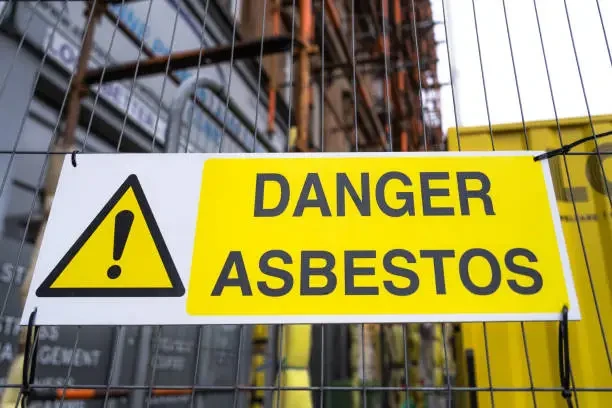

Despite being banned over two decades ago, asbestos continues to be a silent danger within countless buildings across the UK. The material, once prized for its durability and fire-resistant properties, now stands as one of the most notorious threats to public health in the built environment. Its legacy lingers in the insulation, flooring, roofing, and walls of structures built before the turn of the century.
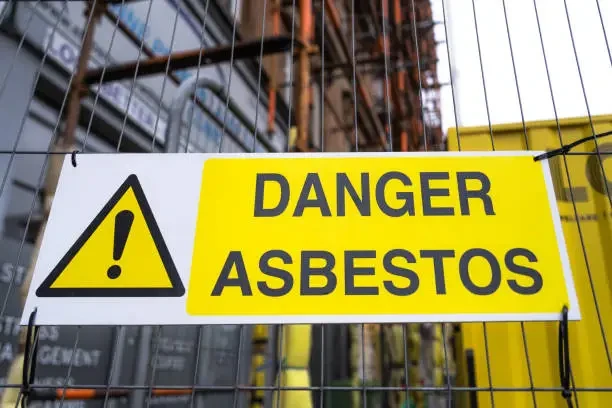
While national regulations have made strides in mitigating the risks, the process of identifying, managing, and removing asbestos remains a priority—especially in towns like Newbury, where many buildings date back to periods of extensive asbestos use.
This article takes a deep dive into why asbestos is still a modern concern, how it can be properly dealt with, and why professional support, including asbestos removal in Newbury, plays a critical role in property safety and public health.
A Brief History of Asbestos Use in the UK
Asbestos was widely used in British construction from the 1950s through to the late 1990s. Its popularity stemmed from several appealing characteristics:
- High tensile strength
- Thermal and acoustic insulation properties
- Resistance to fire and chemical damage
- Affordability and easy availability
It was incorporated into everything from roofing sheets and ceiling panels to pipe lagging and floor tiles. Unfortunately, the widespread application of asbestos came long before the full health implications were understood.
By the late 20th century, scientific evidence linking asbestos exposure to fatal diseases such as mesothelioma, asbestosis, and lung cancer became overwhelming. The UK government introduced regulations to control asbestos use, culminating in a complete ban in 1999.
Why Is Asbestos Still an Issue?
While the import and use of asbestos are now illegal, the material remains present in millions of existing structures across the UK. Properties built before 2000 are still likely to contain asbestos materials, especially if they haven’t been extensively renovated.

Many property owners and tenants remain unaware of the presence of asbestos in their buildings, as the material can lie dormant and undisturbed for decades. Problems arise when:
- Renovation or demolition works take place
- Wear and tear cause materials to degrade
- Accidental damage occurs
- DIY projects disturb hidden asbestos
That’s why asbestos removal in Newbury and similar towns is not just a regulatory formality—it's a crucial step toward ensuring a safe living or working environment.
Health Risks of Asbestos Exposure
Asbestos becomes hazardous when it’s disturbed and microscopic fibres are released into the air. When inhaled, these fibres can become trapped in the lungs and other tissues, where they remain indefinitely. Over time, this exposure can lead to serious and often fatal illnesses:
- Mesothelioma: A rare and aggressive cancer affecting the lining of the lungs or abdomen
- Asbestosis: A long-term lung disease resulting from heavy exposure
- Pleural thickening: The thickening of the lining around the lungs, which can lead to breathing difficulties
- Lung cancer: Risk is significantly increased in individuals exposed to asbestos, particularly smokers
It’s important to understand that these diseases have long latency periods—sometimes taking 20–50 years to develop. This means that exposure from decades ago may only be causing symptoms today.
Common Locations Where Asbestos Is Still Found
Although asbestos can be found in almost any part of a pre-2000 building, certain materials are more prone to contain it. These include:
- Pipe insulation and boiler lagging
- Sprayed ceiling coatings
- Artex textured wall coverings
- Soffits and roof sheets
- Floor tiles and adhesives
- Water tanks and cisterns
In Newbury, where the housing stock includes both historic and mid-century properties, there is a continued need for professional asbestos surveys and removal services.
The Importance of Asbestos Surveys
Identifying asbestos is the first step in effective management. Asbestos surveys are carried out by trained professionals to:
- Locate the presence of asbestos-containing materials (ACMs)
- Determine the type and condition of the materials
- Assess the risk of fibre release
- Recommend whether the asbestos can be managed in situ or needs to be removed
Surveys are categorised as either management surveys (for ongoing use) or refurbishment/demolition surveys, which are required before any major structural work.
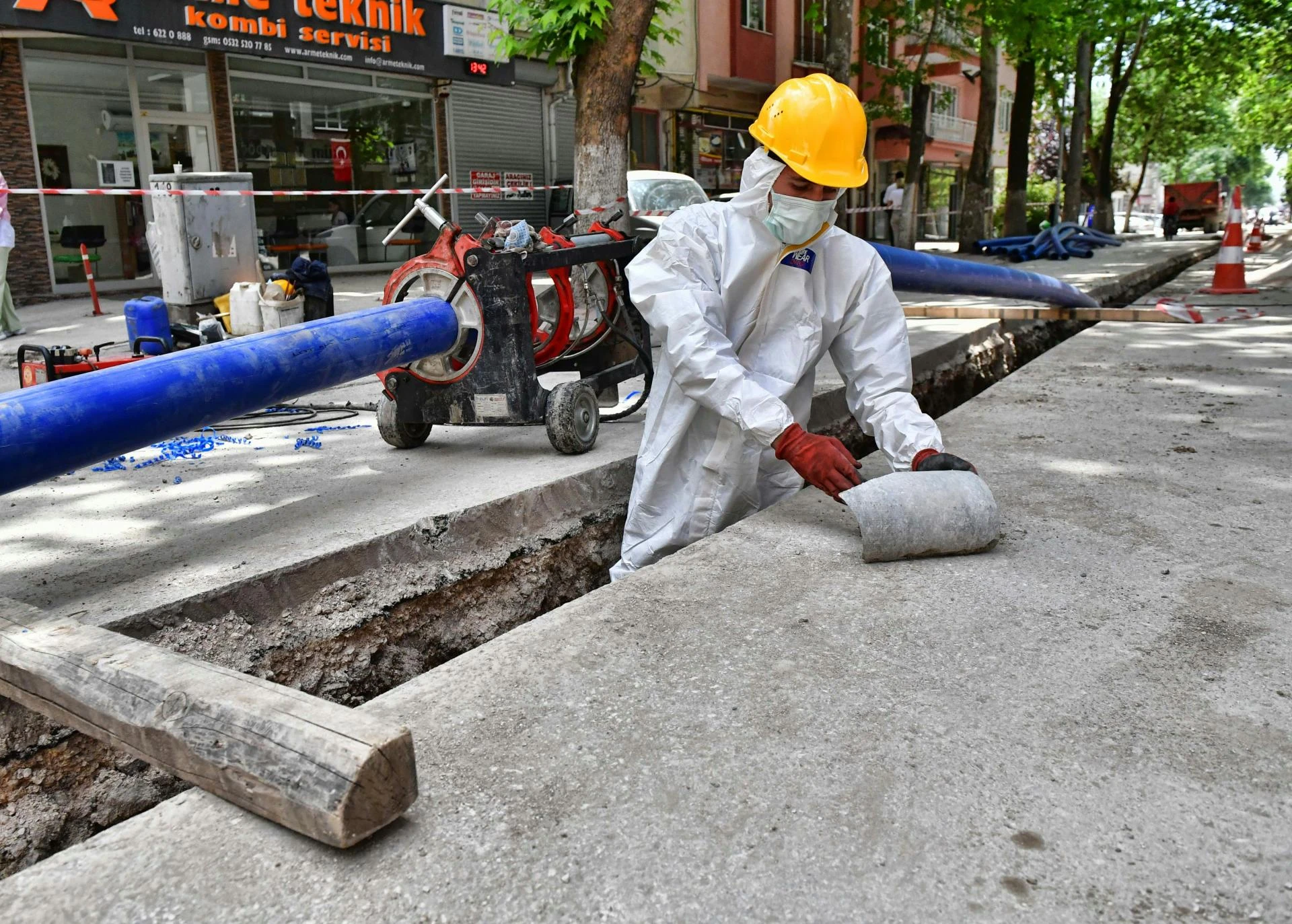
Whether you're a homeowner planning a renovation or a commercial landlord maintaining compliance, a proper asbestos survey is an essential first move—especially when considering asbestos removal in Newbury and other towns with older buildings.
When Should Asbestos Be Removed?
Not all asbestos needs to be removed immediately. In some cases, if the material is in good condition and unlikely to be disturbed, it may be safer to manage it in place. However, removal becomes necessary if:
- The material is damaged or deteriorating
- Renovations or structural changes are planned
- The property is being sold or let, and asbestos presents a concern
- The building is frequently accessed by vulnerable individuals (e.g. schools, care homes)
Professional asbestos removal services in Newbury are well-versed in evaluating these conditions and can recommend the most appropriate course of action for property owners and duty holders.
Legal Responsibilities for Asbestos Management
UK legislation places a duty of care on those responsible for the maintenance of non-domestic premises—including schools, offices, retail spaces, and rental properties. These duty holders must:
- Identify ACMs through a survey
- Keep an up-to-date asbestos register
- Carry out risk assessments
- Implement an asbestos management plan
- Communicate the presence of asbestos to anyone who may disturb it
Failure to comply with these obligations can result in hefty fines and prosecution. This underscores the importance of working with certified professionals when commissioning asbestos removal in Newbury or anywhere else in the UK.
The Asbestos Removal Process: What to Expect
The removal of asbestos is a highly controlled operation. Licensed contractors follow strict Health and Safety Executive (HSE) guidelines to ensure that fibres are not released during the process. Here's what a typical removal project may involve:
- Survey and risk assessment
- Planning and notification to the HSE (where required)
- Site preparation, including containment and air filtration
- Careful removal of ACMs by trained operatives
- Safe packaging and disposal at licensed hazardous waste sites
- Post-removal air testing and certification
For residents and businesses in Newbury, accessing local, compliant asbestos removal services ensures peace of mind and full legal compliance.
Disposal and Environmental Considerations
Asbestos is classified as hazardous waste and must be handled with care—even after removal. Disposal involves:
- Double-bagging and sealing the material in UN-approved containers
- Transporting via licensed carriers
- Delivering to facilities authorised to accept hazardous waste
Improper disposal is not only illegal but poses ongoing environmental and public health risks. Property owners should only work with contractors who can prove their compliance with waste handling regulations.
The Role of Local Expertise in Newbury
Choosing a local provider for asbestos services offers several advantages:
- Faster response times in urgent situations
- Familiarity with local property types and construction methods
- Knowledge of local council requirements and planning processes
- Ongoing support throughout the survey, removal, and compliance phases
Engaging with professionals experienced in asbestos removal in Newbury ensures the job is handled properly from start to finish, reducing the risk of future liability or safety issues.
Final Thoughts
The legacy of asbestos is still very much alive in the UK. From schools and factories to post-war housing estates and 1980s office blocks, ACMs remain embedded in our everyday surroundings. Addressing this risk requires vigilance, expertise, and a commitment to best practices in safety and compliance.
Whether you're managing a commercial portfolio or simply maintaining your family home, taking action to identify and control asbestos is not just good practice—it's a duty. In locations such as Newbury, where historic and mid-century buildings are abundant, professional asbestos removal services offer the tools, knowledge, and compliance to keep people safe.
If asbestos is suspected in your property, consult with qualified specialists and begin the process of assessment and safe removal. A proactive approach today could prevent a serious health concern tomorrow.
Contact Us For A Free Consultation
0800 774 7264
Based in Reading, Berkshire, United Kingdom
GMAIL.COM - [email protected]
PHONE - 0800 774 7264
Appointment ONLY



























Sign in to leave a comment.