
Imagine this. A football is kicked a bit too hard during a school match. It flies over the playground and smashes into a car window. Or worse, it lands near someone walking by. It's not just a minor issue. It could lead to someone getting hurt or property being damaged.
This is exactly why ball stop fencing is so important. It may seem like a simple structure, but it plays a big part in keeping people and places safe. For schools, sports clubs and community fields, having the right fencing can make a huge difference.
Whether you’re trying to keep students safe during lunch breaks or protect spectators at a weekend match, this kind of fencing gives everyone peace of mind.
What is Ball Stop Fencing?
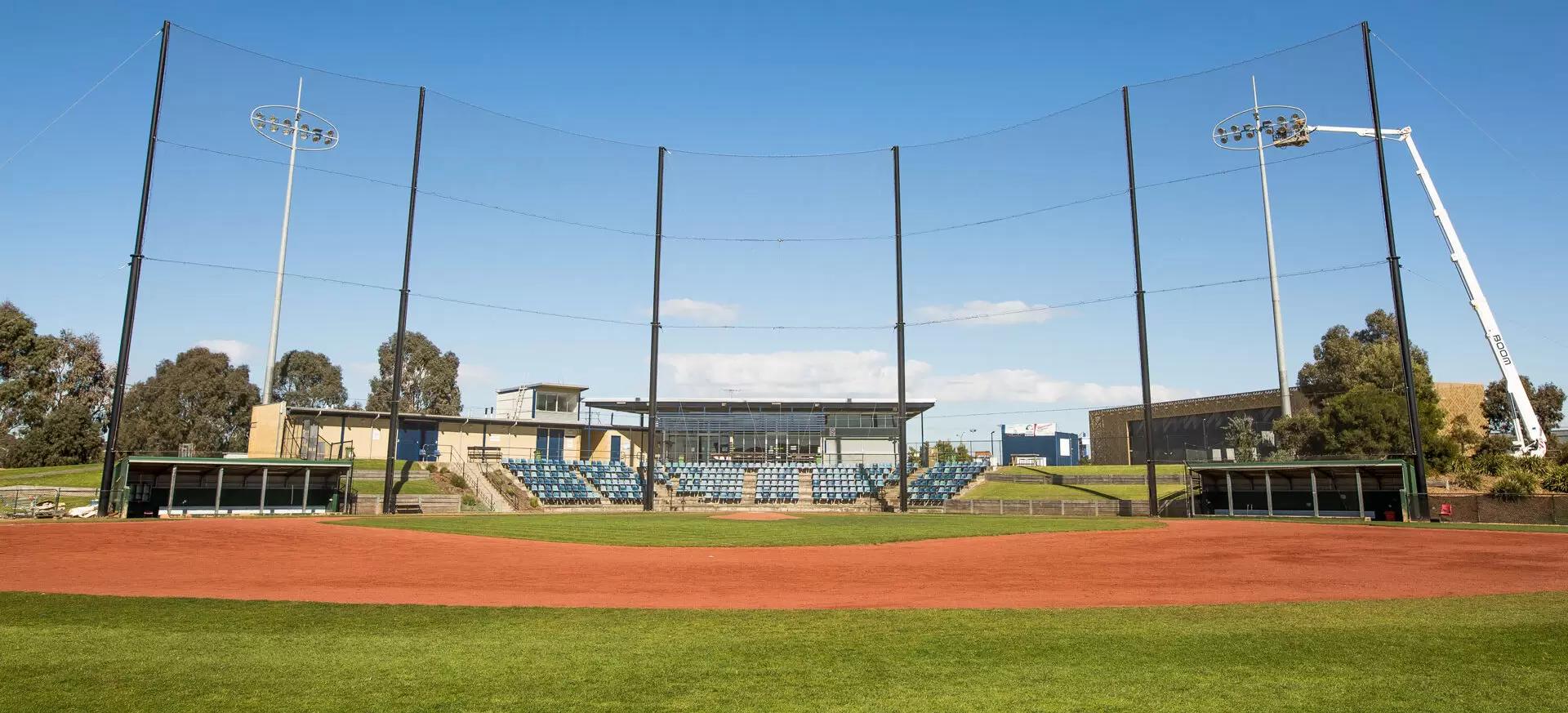
Let’s break it down. Ball stop fencing is a high mesh or net system that is set up around the edge of sports fields or play areas. You’ve probably seen it around footy fields, tennis courts, or even local parks. Its main job is to stop balls from flying out of the play zone.
But it’s not just about stopping the ball. It helps keep people, cars, pets and nearby homes safe. Think of it like a big safety wall that catches what needs to stay inside, while keeping everything outside safe and undisturbed.
Why Schools Need It
Looking After Kids and Staff
In schools, safety is everything. During break times or sports lessons, balls are flying in all directions. Teachers can’t be everywhere at once, and accidents can happen in a split second.
That’s why having proper fencing helps. Ball stop barrier nets keep the balls where they belong, inside the playground or sports area. This means kids walking nearby or teachers supervising don’t have to dodge flying balls or deal with unexpected injuries.
Keeping Neighbours and Property Safe
Many schools are close to roads, homes or local shops. A ball going over the fence could hit a moving car, land in someone’s garden, or break a window. No school wants to be on the receiving end of complaints from annoyed neighbours or pay for repairs.
When you have proper ball stop fencing, these problems are much less likely. It helps build good relationships with people living or working nearby and shows the school takes safety seriously.
More Freedom to Play
Some schools have to limit certain games because of space or safety concerns. Football might only be allowed in a certain area, or kids might be told not to kick the ball too high.
With fencing in place, those limits can often be relaxed. Kids can run, kick and throw freely without worrying about sending the ball into the road or over the fence. It lets them focus on having fun and staying active.
How Sports Clubs Benefit as Well
Protecting Everyone on and off the Field
At sports clubs, the pace and power of the game is often faster than in schools. Whether it’s footy, cricket or rugby, balls can fly far and fast. Spectators, players warming up, or volunteers near the edge can be at risk of being hit.
Ball stop barrier nets act like a big catcher’s mitt. They help protect everyone who isn’t part of the play. People watching can enjoy the game without worrying about getting hit by a stray shot.
Keeping the Game Flowing
Have you ever watched a game where someone had to run off the field to fetch a ball every few minutes? It breaks the rhythm, slows everything down and frustrates players and coaches.
With good ball stop fencing, balls stay in play more often. Less time is wasted chasing them down. That means smoother matches and more time playing.
Cutting Costs and Avoiding Trouble
Clubs often have limited money and resources. Fixing damage caused by flying balls, replacing lost equipment, or dealing with complaints from the public all eat into the budget and take up time.
Fencing helps avoid many of those problems. It’s a one-time investment that stops many small issues before they turn into big ones. And over time, that can save a lot of hassle.
Picking the Right Type of Fencing
For Football and Rugby
Sports like these need tall and strong fencing. The power behind some of those kicks can send a ball flying over a regular fence with no trouble. Many clubs go for nets around 5 to 6 metres high to catch the highest shots.
For Tennis and Basketball
These games need different fencing. The balls move fast and bounce sharply, but they usually don’t go as high. Tighter mesh and slightly lower fences often work best here, as long as they still keep the area safe.
For Shared Sports Areas
Many schools or community spaces have areas used for different sports. These are often called multi-use games areas, or MUGAS. Here, adjustable or movable fencing can be a good option. You can raise or lower parts of the net depending on what sport is being played.
How Tall Does the Fencing Need to Be?
This depends on the sport and the size of the area. But here are some common heights:
- Around 6 metres for rugby, football or cricket
- About 3 or 4 metres for basketball and tennis
- 2 metres or less for smaller play areas or five-a-side games
The idea is to keep balls in without making the place feel closed in or blocking people’s view of the match.
More Than Just a Sports Barrier
Avoiding Risk and Liability
For schools and clubs, safety is also about responsibility. If a ball hits someone or causes a crash on the road, it can lead to serious trouble. The people in charge could be held responsible.
By putting in proper ball stop fencing, you’re showing that safety has been taken into account. That’s not just good practice, it could also protect you from legal risks.
Encouraging Sport and Confidence
When kids or players feel safe, they’re more likely to take part and enjoy themselves. A ball flying over the fence and causing damage or injury can knock their confidence.
By creating a safe, controlled area, you’re letting people play without worry. That leads to better skills, stronger teams and more love for sport.
What About the Look?
Some people worry that fencing makes a pitch look too boxed in or ugly. But modern ball stop barrier nets are designed to be neat and subtle. Black mesh often blends into the background, and slim poles don’t block the view.
Many schools and clubs say the place looks tidier once the fencing is up. And for places that want to show team spirit, it’s possible to add club colours or logos to parts of the fencing if needed.
Easy to Keep in Good Shape
You might think fencing needs loads of upkeep, but that’s not true. Most systems are made with strong metal posts and weather-proof netting. They’re built to handle rain, sun, wind, and of course, countless hits from balls.
Usually, all it takes is a quick look now and then to check if anything needs fixing. And if it does, repairs are often simple.
Real Safety, Real Results
At the end of the day, safety matters to everyone. Whether you're running a school or coaching a local sports team, creating a safe place to play is one of the best things you can do.
Ball stop fencing isn’t just about stopping balls. It’s about stopping injuries, avoiding damage, keeping games running smoothly and letting people enjoy sport without fear.
Plenty of schools and clubs have already put it in place, often with help from specialists like CCI Safety Fencing, who understand how to set it up properly. They’ve seen the benefits first-hand, not just in safety, but in how it makes the space more enjoyable for everyone.
Ready to Make Your Sports Area Safer?
Think about how many balls go flying out of bounds every week. How often do you hear someone shout, “Watch out!” during a game? These are all signs that your school or club could do with ball stop fencing.
If you want a safer, easier and more enjoyable space for players and spectators, it might be time to take the next step. A good fence can make a big difference, and it’s one change that keeps giving back, season after season.
























Sign in to leave a comment.