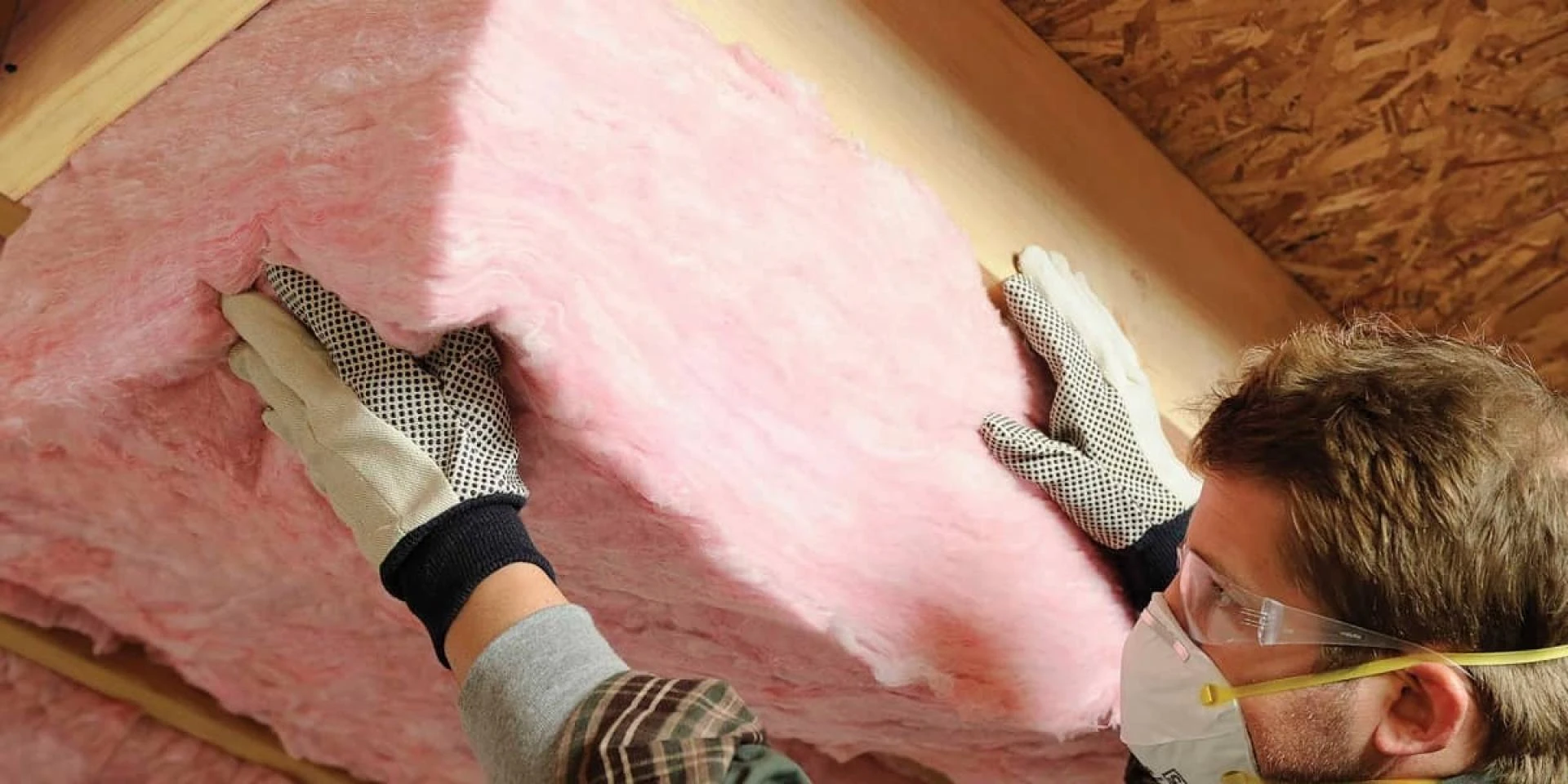
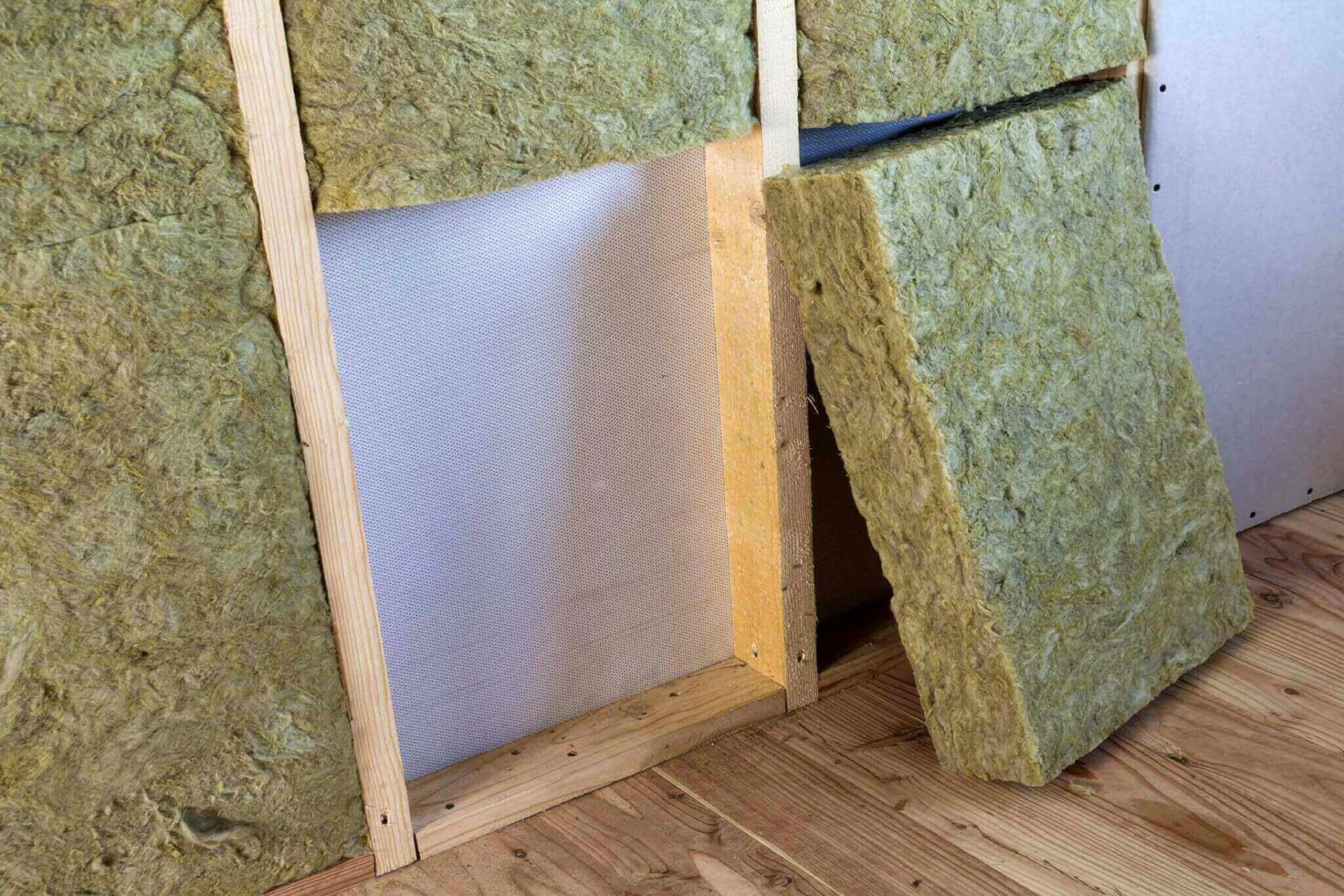
Batt insulation is one of the most common types of insulation used in residential and commercial buildings. It is a material that is pre-formed into batts (large, blanket-like pieces) and is typically made from fiberglass, mineral wool, or cotton. This type of insulation offers affordable energy efficiency by reducing heat transfer between a building’s interior and the outdoor environment. By using batt insulation, you can save on heating and cooling costs while enhancing the overall comfort of your home or office.
In this article, we’ll break down how batt insulation works, its benefits, types, and the factors to consider when selecting the right option for your insulation needs. We will also explore common questions people have about batt insulation and provide helpful tips for installation.
What Is Batt Insulation and How Does It Improve Energy Efficiency?
Batt insulation works by trapping air within its fibers, which reduces the movement of heat. Heat naturally moves from areas of high temperature to areas of low temperature. During the colder months, heat escapes from the interior of a building, while in the warmer months, heat can enter. Batt insulation installation in walls, attics, or floors of a building, helps to prevent this heat transfer, keeping the interior temperature consistent.
The energy efficiency of batt insulation is largely determined by its R-value, which measures the material’s resistance to heat flow. The higher the R-value, the better the material insulates. Batt insulation generally has an R-value ranging from 3.0 to 4.3 per inch, depending on the material used. By choosing a batt insulation with a higher R-value, you can improve the energy efficiency of your home or building even further.
Types of Batt Insulation
Batt insulation comes in several types, each offering specific benefits and characteristics. The most common types of batt insulation are fiberglass, mineral wool (rock wool), and cotton (denim). Each type has its own advantages in terms of thermal resistance, fire resistance, soundproofing, and cost.
1. Fiberglass Batt Insulation
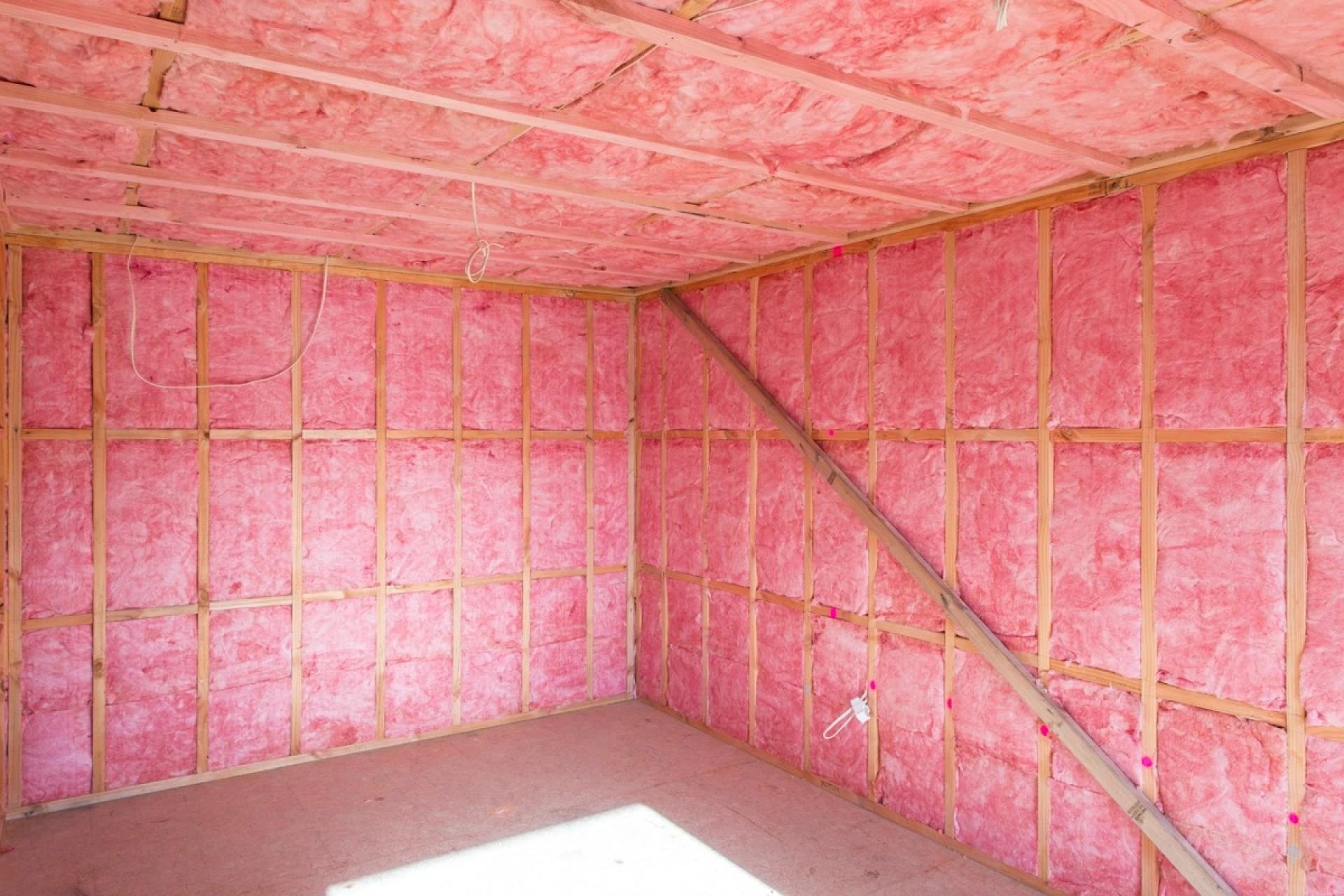
Fiberglass batt insulation is the most widely used and most affordable option available. It is made from fine glass fibers that are formed into batts. This type of insulation offers good thermal resistance, with an R-value typically between 3.0 and 4.3 per inch of thickness. Fiberglass batt insulation is lightweight, non-combustible, and relatively inexpensive, making it a popular choice for homeowners and builders.
2. Mineral Wool (Rock or Slag Wool)
Mineral wool batt insulation is made from natural minerals such as basalt rock or slag, which are melted and spun into fibers. This insulation is known for its high fire resistance and soundproofing properties. Mineral wool offers an R-value similar to fiberglass, but it is generally more effective at resisting moisture, making it a great choice for basements or other damp areas. Additionally, mineral wool is environmentally friendly since it is made from recycled materials.
3. Cotton (Denim) Batt Insulation
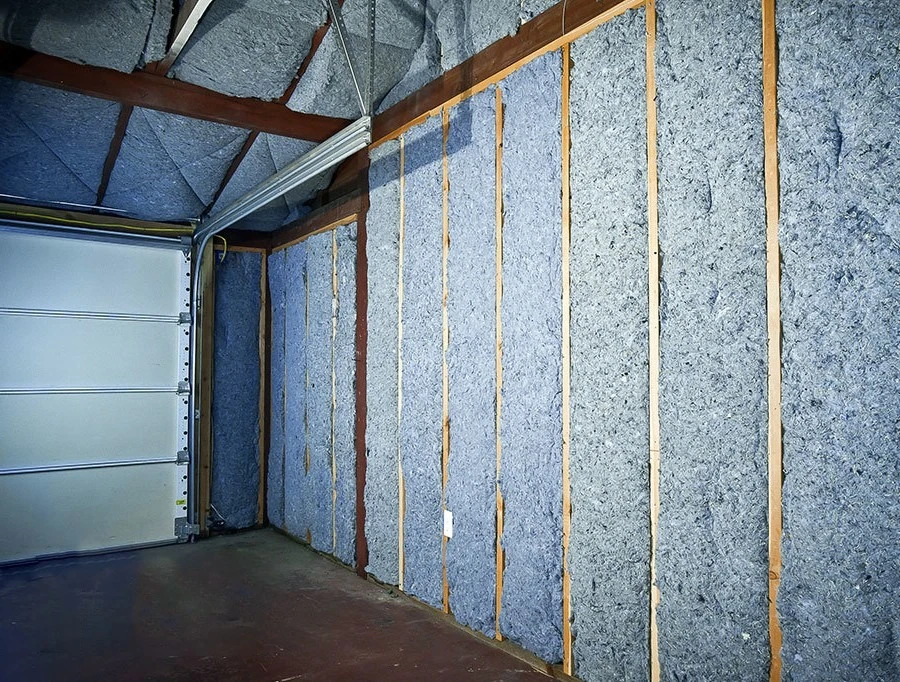
Cotton batt insulation, also known as denim insulation, is made from recycled cotton fibers. This type of insulation is environmentally friendly and is a great choice for eco-conscious homeowners. While its R-value may not be as high as fiberglass or mineral wool, cotton insulation is naturally resistant to mold and mildew, making it ideal for areas with high humidity. Cotton insulation also offers excellent soundproofing qualities.
Key Factors to Consider Before Choosing Batt Insulation
When deciding which type of batt insulation to install, there are several factors to consider. Each of these factors can help you choose the best material for your specific needs, ensuring that your insulation is as effective and cost-efficient as possible.
1. Climate and Temperature Requirements
The climate you live in plays a significant role in determining the type and thickness of batt insulation you should install. In colder climates, a higher R-value is essential to retain heat and reduce heating costs. Similarly, in warmer climates, insulation with a high R-value can help keep your building cooler, reducing the need for air conditioning.
2. Moisture Resistance
Moisture can significantly reduce the effectiveness of batt insulation, especially in areas such as basements or crawl spaces where humidity levels are higher. Fiberglass batt insulation is not highly moisture-resistant, and when it gets wet, its R-value decreases. Mineral wool, on the other hand, is naturally resistant to moisture and is a better choice for areas prone to dampness.
3. Installation Difficulty
While batt insulation is relatively easy to install compared to other types of insulation, the complexity of the installation depends on the space you’re insulating. If you’re working in areas with standard framing sizes, you can typically install batt insulation yourself. However, if your space has irregular or difficult-to-reach areas, professional installation may be required.
4. Budget
Batt insulation is one of the most cost-effective insulation options available. Fiberglass batt insulation is the least expensive, while cotton and mineral wool batts are typically more expensive. Your budget will play a significant role in the decision-making process. Keep in mind that higher-quality insulation materials may save you more money in the long run by improving energy efficiency.
5. Soundproofing Needs
If you’re insulating a space where noise reduction is important, such as a bedroom or home theater, consider mineral wool or cotton batt insulation. Both of these materials offer superior soundproofing qualities compared to fiberglass, helping to reduce noise transfer between rooms.
Benefits of Batt Insulation for Energy Efficiency
Batt insulation offers several key benefits that make it an ideal choice for improving energy efficiency in buildings.
1. Cost-Effective Solution
Batt insulation is one of the most affordable options on the market. It provides an effective solution for homeowners looking to reduce energy costs without breaking the bank. Fiberglass batt insulation, in particular, offers a low-cost way to insulate your home without sacrificing too much performance.
2. Enhanced Comfort
By reducing heat loss in winter and heat gain in summer, batt insulation helps maintain a comfortable indoor environment. This insulation reduces the need for excessive heating or cooling, leading to more stable temperatures throughout the year.
3. Environmentally Friendly Options
For those concerned about their environmental footprint, cotton batt insulation offers a sustainable solution, as it is made from recycled cotton fibers. Mineral wool insulation is also made from natural or recycled materials, providing a more eco-friendly alternative to fiberglass.
4. Noise Reduction
Batt insulation is not only effective at reducing thermal energy loss but also helps with soundproofing. If noise control is a priority in your home, such as in bedrooms or offices, mineral wool and cotton insulation can provide better soundproofing than fiberglass.
Make the Right Decision
Batt insulation Contractors offers a cost-effective and efficient way to improve the energy efficiency of your home or building. Consider the specific needs of your space, including climate, moisture levels, and soundproofing requirements, when choosing the right type of batt insulation. By carefully selecting the appropriate material, you can ensure that your insulation will provide long-lasting benefits and help reduce energy costs.
Common Questions About Batt Insulation
1. How much batt insulation do I need?
The amount of insulation you need depends on the square footage of the area you’re insulating and the desired R-value. It is typically recommended to install at least 12-15 inches of batt insulation in attics to achieve optimal energy efficiency.
2. Can I install batt insulation myself?
Yes, batt insulation is relatively easy to install, especially in areas with standard framing sizes. Just make sure the batts fit snugly between studs or joists and are sealed properly to avoid gaps.
3. How long does batt insulation last?
Batt insulation can last for many years if properly maintained. However, it can degrade over time due to moisture or pest damage, so it’s essential to ensure it stays dry and intact.
4. Is batt insulation a good choice for older homes?
Yes, batt insulation is an excellent option for older homes. It can be retrofitted into existing walls and attics, improving energy efficiency and comfort without major renovations.






















Sign in to leave a comment.