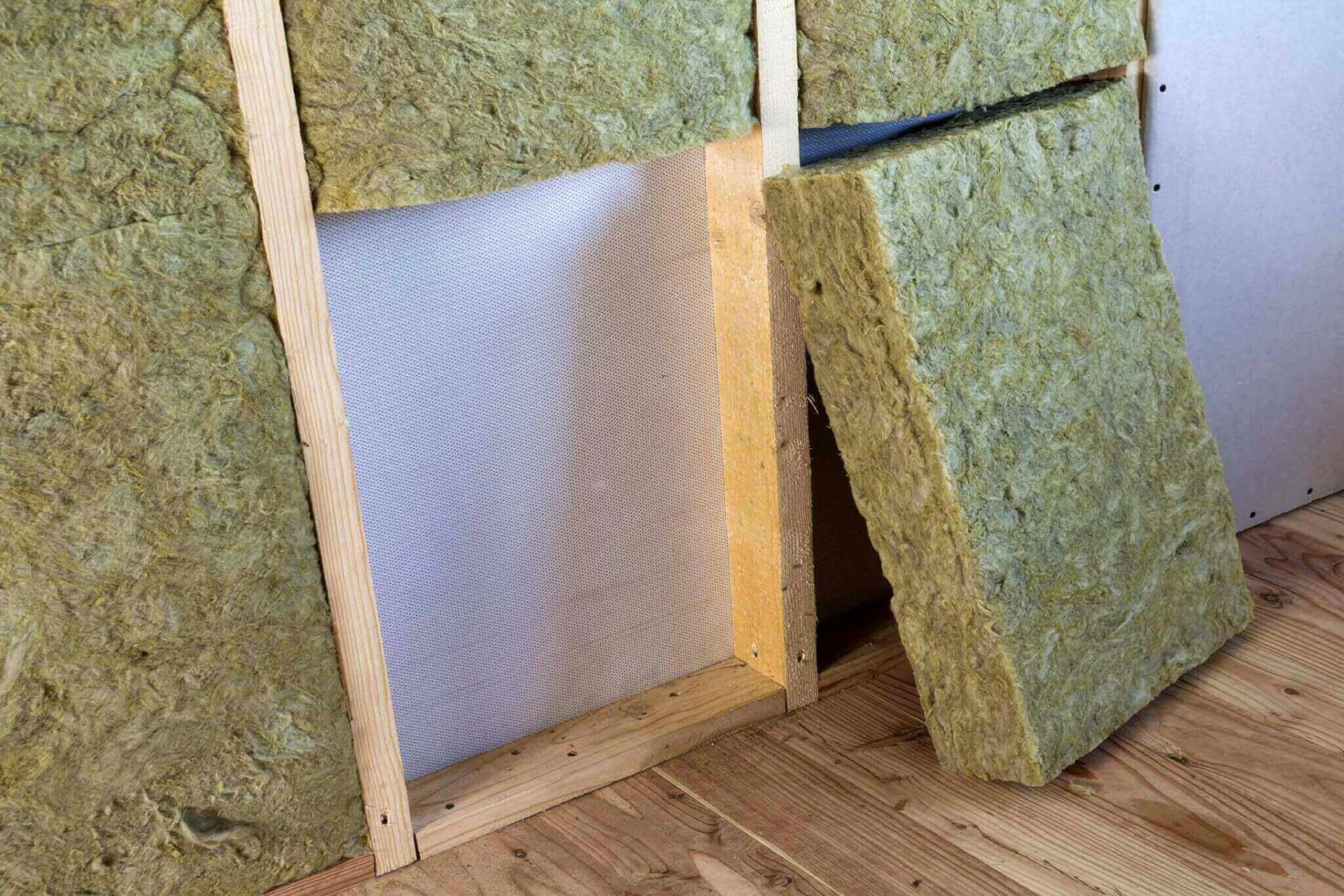
When it comes to improving energy efficiency and comfort in older homes in Smyrna, upgrading wall insulation is a key step. These homes, often built before modern insulation standards were established, can suffer from gaps, poor sealing, and outdated materials. Proper wall insulation techniques can significantly improve temperature regulation, reduce energy costs, and make homes more comfortable year-round. This article will discuss the most effective techniques for insulating walls in older homes, helping homeowners make informed decisions.
As experts in home insulation, Makeover Insulation understands the challenges that older homes face in maintaining energy efficiency. With years of hands-on experience, Makeover Insulation offers insights into the most effective insulation solutions tailored to Smyrna's climate and the unique needs of older homes.
Common Insulation Techniques for Older Homes
Older homes in Smyrna require specific insulation strategies that differ from new construction due to their unique structures and design challenges. The most common techniques include:
Blown-In Insulation
Blown-in insulation, typically made from cellulose or fiberglass, is ideal for older homes with existing wall cavities that need to be filled. It can be blown into walls through small holes drilled into the drywall, filling gaps and cracks effectively. This method is cost-effective and minimally invasive.
Spray Foam Insulation
Closed-cell spray foam is one of the most efficient insulation materials for older homes. It expands upon application, filling cracks and crevices that are often overlooked with traditional methods. Spray foam also acts as an air barrier, preventing drafts and reducing moisture buildup, which is especially beneficial for homes with aging walls.
Batt Insulation
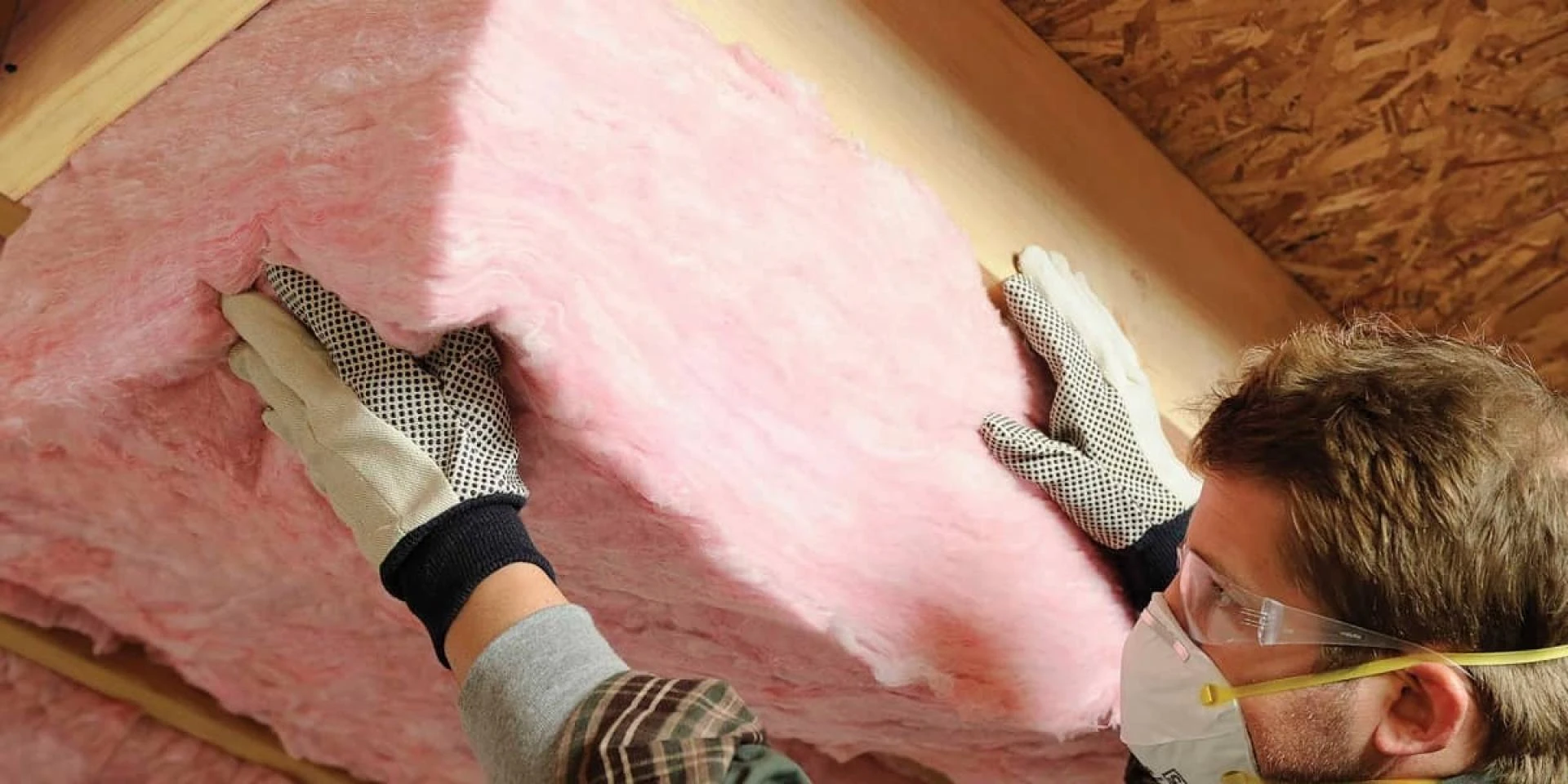
Batt insulation, often made of fiberglass, is a traditional choice for wall insulation. While it may not fill gaps as completely as blown-in insulation or spray foam, it is still a viable option for homes with accessible wall cavities. It is easy to install and cost-effective, but it may not provide the best long-term performance in terms of energy efficiency.
Rigid Foam Board Insulation
Rigid foam board insulation is another solid choice for older homes, particularly when installing insulation from the outside. This material provides a high R-value per inch and can be used to insulate exterior walls, making it an effective solution for homes where internal wall cavity access is limited.
Insulation Type
Pros
Cons
Best Use Case
Blown-In Insulation
Effective for filling gaps and voids, cost-effective
Can settle over time, requires access holes
Existing wall cavities
Spray Foam Insulation
Expands to seal gaps, provides air and moisture barrier
More expensive, requires professional installation
Walls with air leaks
Batt Insulation
Cost-effective, easy to install
Does not fill gaps completely, less efficient
Homes with easy access to cavities
Rigid Foam Board
High R-value, works well in exterior walls
Expensive, installation can be complex
Exterior wall insulation
Climate-Specific Considerations for Smyrna Homes
Smyrna's climate, characterized by hot summers and mild winters, necessitates insulation solutions that can handle heat and humidity. During summer months, high humidity can lead to moisture buildup inside walls, potentially causing mold or rot in older homes. Closed-cell spray foam insulation is an excellent choice in such climates because it not only provides superior thermal insulation but also serves as a moisture barrier.
Blown-in insulation, though cost-effective, may not be as moisture-resistant as spray foam. In humid conditions, cellulose-based insulation, which absorbs moisture, could lead to problems with mold and mildew. Therefore, homeowners should prioritize moisture-resistant insulation materials to safeguard their homes from potential water damage.
Things to Consider Before Making a Decision
Before choosing the right wall insulation technique for an older home in Smyrna, there are several factors to keep in mind:
- Wall Accessibility: Homes with finished walls may require a more invasive installation method, like drilling holes for blown-in insulation or spray foam. Older homes with exposed stud cavities can accommodate batt insulation or foam board insulation more easily.
- Budget: Insulation costs vary widely. Spray foam tends to be the most expensive option but offers the highest return on investment in terms of energy savings and comfort. Blown-in insulation and batt insulation are more affordable but may not provide as long-lasting results.
- Moisture Control: Consider the level of humidity in your area. Homes prone to moisture may benefit more from spray foam or rigid foam board, which offer better moisture control than traditional fiberglass options.
- Energy Efficiency Goals: The R-value of the insulation material is crucial for achieving the desired energy efficiency. Higher R-values indicate better insulation. For Smyrna, where temperatures can fluctuate, homeowners should aim for high R-values to optimize indoor comfort.
Services Provided by Makeover Insulation
Makeover Insulation offers a range of services designed to improve the energy efficiency of older homes:
- Attic Insulation: Enhances energy savings by preventing heat loss in winter and heat gain in summer.
- Blown-In Insulation (Fiberglass/Cellulose): Fills gaps and voids in walls and attics, improving thermal performance.
- Spray Foam Insulation: Provides air sealing and moisture control, ideal for walls with cracks and gaps.
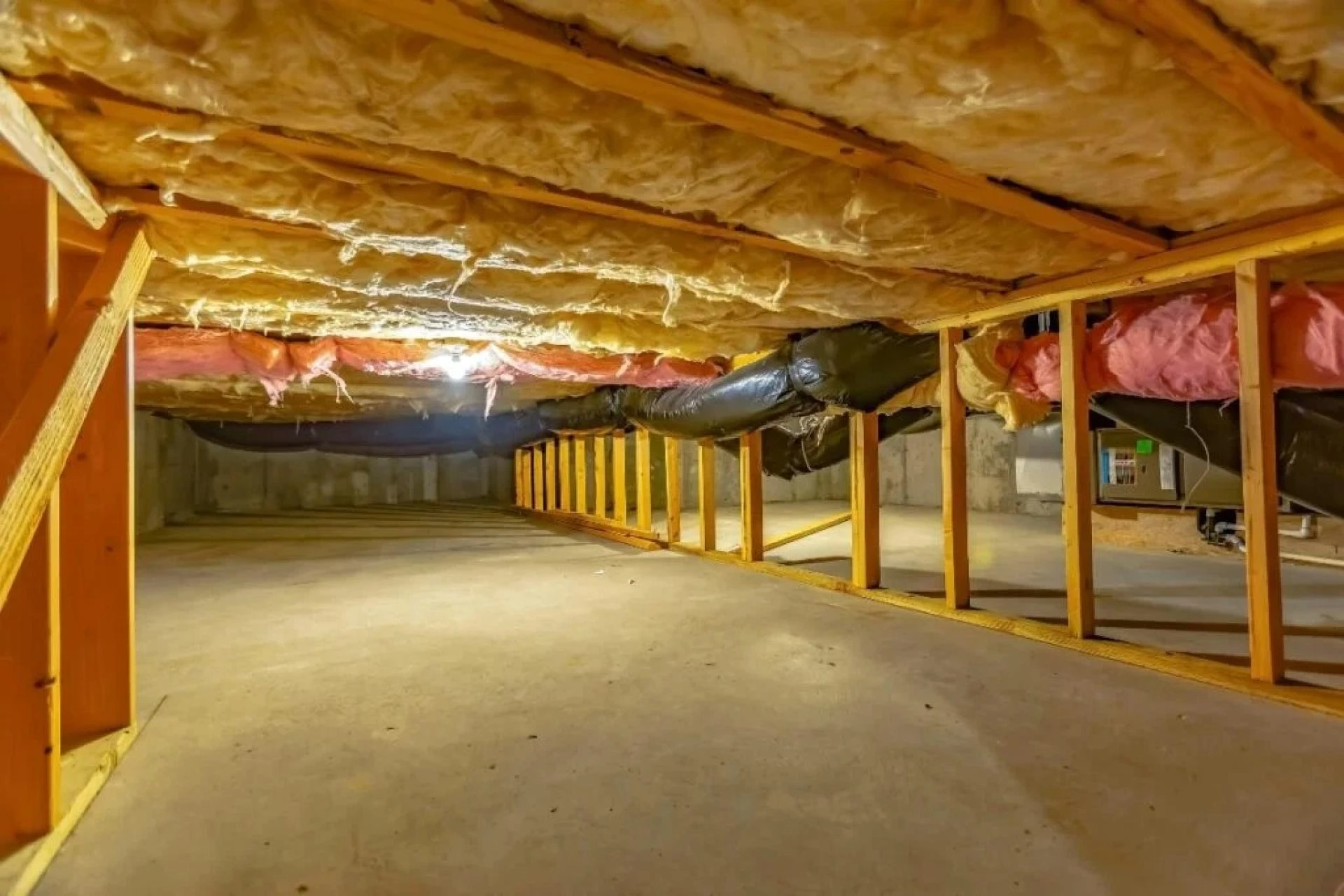
- Crawl Space Insulation: Improves indoor air quality and energy efficiency by insulating crawl spaces.
- Wall Insulation: Various techniques to enhance wall insulation, depending on wall structure and material.
- Floor Insulation: Reduces heat loss and increases comfort by insulating floors.
- Batt Insulation: Easy-to-install fiberglass insulation for accessible spaces.
- Insulation Removal: Efficient removal of old insulation to prevent issues with mold and deterioration.
- Air Sealing: Seals leaks around windows, doors, and other openings to improve home energy efficiency.
- Builder Services: Expert solutions for new constructions and renovations.
Common Questions About Wall Insulation for Older Homes
What’s the best insulation for walls in an older home?
The best insulation depends on factors like wall accessibility and moisture concerns. Spray foam offers the best performance in terms of energy efficiency and moisture control but may be more expensive. Blown-in insulation is a more affordable option for filling existing wall cavities.
Is spray foam worth the cost for an older home?
Yes, spray foam is often worth the investment for older homes due to its high energy efficiency and ability to seal even the smallest gaps. It can help lower energy costs and improve home comfort, especially in homes with moisture or air leak issues.
How long does wall insulation last?
Most modern insulation materials, including spray foam and blown-in fiberglass, last between 20 and 30 years. However, performance may degrade over time due to settling, moisture exposure, or other factors.
Can I install wall insulation myself?
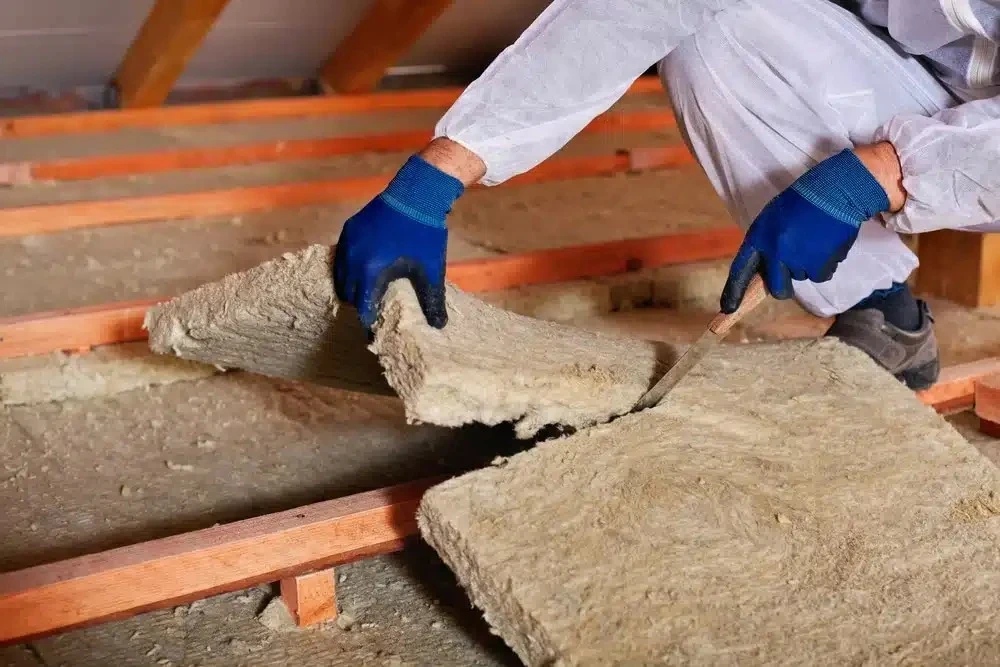
While some types of insulation, like batt insulation, can be installed by homeowners, other methods, like spray foam, require professional installation to ensure proper application and performance.
FAQ
Can blown-in insulation be added to existing walls?
Yes, blown-in insulation can be added to existing walls by drilling small holes in the drywall and blowing the material into the cavities. It’s a minimally invasive method and works well in homes without exposed wall studs.
Does wall insulation increase home value?
Proper insulation increases home value by improving energy efficiency, comfort, and reducing future maintenance costs. Potential buyers often look for energy-efficient homes with modern insulation.
How do I know if my walls need insulation?
Signs that your walls may need insulation include drafts, fluctuating temperatures, and high energy bills. A professional inspection can help assess the insulation needs of your walls.
What’s the best insulation for moisture control?
Closed-cell spray foam is the best option for controlling moisture, as it forms a dense barrier that prevents water vapor from passing through. This makes it ideal for humid climates or homes with existing moisture issues.
Ready to Achieve Energy Efficiency in Your Home?
Upgrading the insulation in your walls can make a significant difference in energy efficiency and home comfort. If you're considering enhancing the insulation in your Smyrna home, Makeover Insulation can help guide you through the best options. Contact them today for more information or to schedule an inspection.
Call them at (470) 664-5300 or email [email protected].
Reviewer: Ava Clark shared her input based on 6 years of working with spray foam insulation teams. Her focus on customer trust and communication helped shape key parts of this post.






















Sign in to leave a comment.