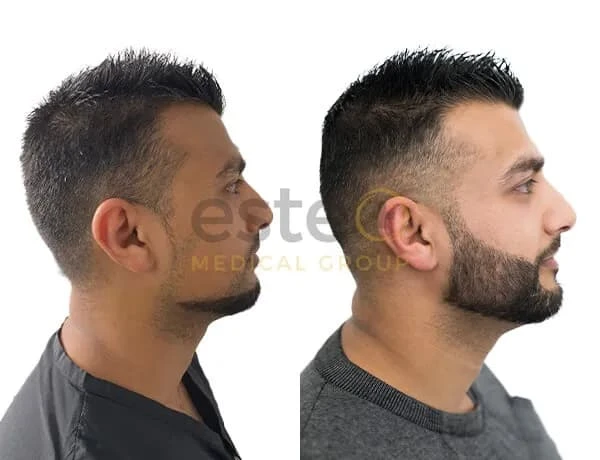

Facial hair can dramatically influence personal style, facial balance, and self confidence. For individuals who struggle with patchy growth or thin areas, a beard transplant offers a reliable method for achieving fuller facial hair that looks completely natural. This cosmetic procedure uses advanced hair restoration techniques to move healthy follicles from one part of the body to the beard region. When performed with precision and planning, the result is natural density that blends seamlessly with existing hair. Understanding how the process works helps explain why this treatment has become a preferred option for those seeking long lasting facial hair enhancement.
Understanding the Concept of Facial Hair Density
What Density Means in Beard Appearance
Density refers to how closely hair follicles grow together in a given area. A beard with high density appears thick, full, and uniform, while low density can look patchy or uneven. Achieving the right density is not only about adding more hair but also about placing each follicle at the correct angle and direction.
Natural Growth Patterns
Natural beards do not grow evenly across the face. Hair may grow thicker along the jawline and thinner on the cheeks. Skilled practitioners replicate these patterns so the final result matches natural growth rather than looking artificial.
Why Some Individuals Lack Density
Genetics is the most common reason for sparse facial hair. Hormonal factors, scarring, or past skin injuries can also affect follicle growth. In such cases, transplantation provides a method to restore balance and fullness.
How the Procedure Enhances Fullness
Relocating Healthy Follicles
The treatment involves removing strong follicles from a donor area, typically the back of the scalp, and implanting them into areas with little or no growth. These follicles continue producing hair after relocation because they retain their original growth characteristics.
Matching Hair Texture
One of the keys to natural density is choosing donor hair that closely resembles beard hair. Specialists select follicles that match thickness and curl pattern so the transplanted hair blends naturally.
Strategic Distribution
Instead of placing grafts randomly, specialists plan their distribution carefully. This approach ensures that the beard appears evenly dense without looking overly thick in one area and sparse in another.
Planning the Treatment for Realistic Results
Personalized Assessment
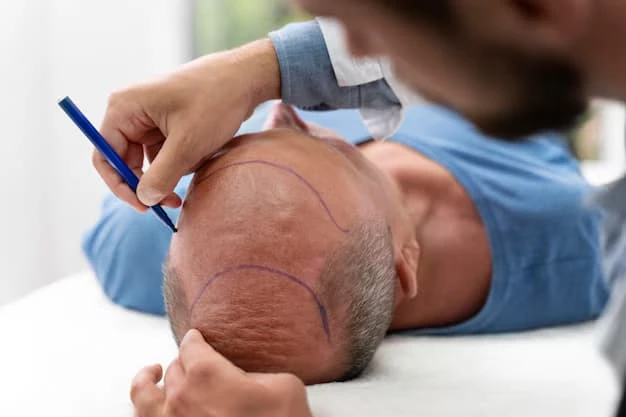
Before the procedure, a detailed evaluation is performed. The specialist studies facial structure, existing hair growth, and skin condition. This assessment determines how many grafts are required and where they should be placed.
Designing the Beard Shape
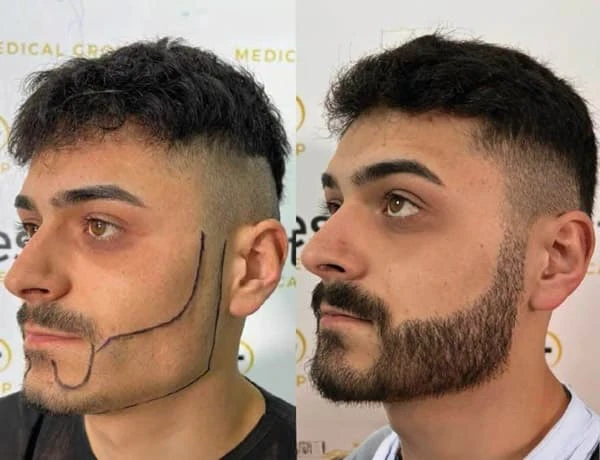
A custom design is created to suit the individual’s facial proportions and style preferences. The outline can be adjusted to achieve anything from subtle density improvement to a bold, full beard.
Calculating Graft Numbers
The number of follicles needed depends on the desired thickness and the size of the area being treated. Accurate calculation ensures that enough grafts are transplanted to achieve a balanced result.
Step by Step Breakdown of the Procedure
Preparing the Donor and Recipient Areas
Cleaning and Sterilizing
Both areas are thoroughly cleaned to reduce the risk of infection. Maintaining a sterile environment is essential for safe treatment.
Local Anesthesia
A numbing solution is applied so the patient remains comfortable throughout the process. The individual stays awake but does not feel pain during the procedure.
Extracting the Hair Follicles
Individual Follicle Removal
Specialized tools remove follicles one at a time. This precise method protects the surrounding tissue and keeps the grafts healthy.
Preserving Follicle Quality
Each follicle is carefully handled and stored in a solution that keeps it viable until implantation. Proper preservation increases the chances of successful growth.
Creating Implantation Sites
Micro Channel Formation
Tiny openings are made in the beard area. These openings are designed according to the natural direction of beard growth so the new hair will align with existing strands.
Controlling Angle and Depth
The angle and depth of each channel are carefully adjusted. Correct positioning ensures that the transplanted hair grows naturally rather than sticking out at unusual angles.
Implanting the Follicles
Each graft is placed into the prepared channels. This stage requires patience because proper placement determines the final appearance. Skilled implantation creates the illusion that the beard has always grown that way.
Recovery and Early Healing
Immediate After Effects
After the procedure, mild redness and swelling may occur. These effects are temporary and usually fade within a few days. Small crusts may form around the grafts and fall off naturally as healing progresses.
First Week Care
Patients are typically advised to keep the area clean and avoid touching the grafts. Gentle washing routines help maintain hygiene without disturbing the newly placed follicles.
Returning to Normal Activities
Most individuals can resume regular daily routines within a short time. Strenuous physical activity may need to be postponed briefly to protect the grafts during the early healing stage.
Growth Phases After Treatment
Initial Shedding Stage
Within a few weeks, transplanted hairs often shed. This is a normal part of the growth cycle and does not indicate failure. The follicles remain under the skin and prepare for new growth.
Early Regrowth
New hair typically begins to appear within three to four months. At first, growth may be fine or light in texture, but it gradually thickens over time.
Final Density Development
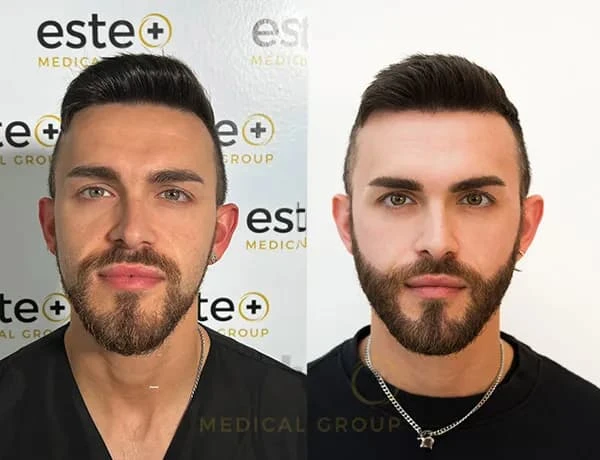
Full results generally become visible between six and twelve months. By this stage, the beard should appear thicker and more uniform, with natural density that blends seamlessly with existing hair.
Factors That Influence Final Density
Donor Hair Quality
The strength and thickness of donor hair affect how full the beard will look. Healthy follicles usually produce stronger growth.
Skin Condition
Healthy skin supports better graft survival. Conditions such as irritation or infection can interfere with healing if not properly managed.
Technique and Skill
The expertise of the practitioner is one of the most important factors. Accurate placement and artistic design significantly influence how natural the beard appears.
Patient Aftercare
Following instructions carefully helps ensure that grafts remain secure and grow successfully. Proper care during the healing phase can make a noticeable difference in the final outcome.
Advantages of This Approach
Natural Appearance
Because the treatment uses the individual’s own hair, the results blend seamlessly with existing facial hair. The beard can be styled and groomed normally once growth is established.
Long Lasting Results
Transplanted follicles continue growing for life. This makes the procedure a long term solution rather than a temporary fix.
Customizable Density
The level of thickness can be adjusted according to personal preference. Some individuals choose subtle enhancement, while others prefer dramatic fullness.
Minimal Maintenance
After healing, the beard requires only routine grooming. There is no need for ongoing treatments to maintain results.
Psychological and Lifestyle Benefits
Increased Confidence
A fuller beard can enhance facial definition and overall appearance. Many individuals feel more confident after achieving their desired look.
Freedom of Styling
With improved density, individuals can experiment with different beard styles. This flexibility allows them to adapt their appearance to suit personal taste or current trends.
Positive Self Image
Addressing patchy growth or thin areas often leads to greater satisfaction with one’s appearance. The emotional impact can be just as meaningful as the physical transformation.
Who Is a Suitable Candidate
Ideal Candidates
Healthy adults with enough donor hair and realistic expectations are generally good candidates. A professional consultation helps determine eligibility.
Situations Requiring Evaluation
Certain medical conditions or skin disorders may affect whether the procedure is recommended. Careful assessment ensures safety and effectiveness.
Importance of Realistic Expectations
Understanding that results develop gradually helps individuals appreciate the process. Patience is essential because hair growth follows natural biological cycles.
Long Term Care for Optimal Results
Grooming Practices
Once growth is complete, the beard can be trimmed, shaved, or styled as desired. Regular grooming helps maintain a neat and polished appearance.
Supporting Hair Health
Balanced nutrition and proper skincare can support strong hair growth. Healthy lifestyle habits contribute to long lasting results.
Follow Up Monitoring
Periodic checkups allow specialists to monitor progress and address any concerns. These visits help ensure the outcome meets expectations.
Conclusion
Achieving natural looking facial hair density requires careful planning, precise technique, and patience during the growth process. By relocating healthy follicles and placing them strategically, specialists can create results that look authentic and balanced. Understanding each stage from preparation to regrowth helps individuals approach the procedure with confidence and realistic expectations.
For those seeking expert guidance and personalized treatment options, Este Medical Group Cosmetic Surgery provides professional support for individuals interested in advanced facial hair restoration solutions.
Sign in to leave a comment.