

Introduction
The chocolate industry has evolved from a simple confectionery trade into a multibillion-dollar global powerhouse. What began centuries ago as a bitter ceremonial drink has become one of the world's most beloved treats and, recently, one of its most scrutinized. Today's consumers approach chocolate with entirely different expectations than previous generations. They ask harder questions: Where does it come from? What is actually in it? Is it good for me? Can I enjoy it without compromising my health goals?
This shift in perspective is not just about taste preferences. It represents a fundamental change in how people relate to food, wellness, and indulgence. The rise of luxury chocolate brands and organic chocolate offerings reflects consumers who want transparency, quality, and products that align with their values. Meanwhile, innovations like sugar-free vegan chocolate prove that the industry is adapting to meet modern dietary needs without sacrificing the pleasure chocolate brings.
How Big Was the Chocolate Industry's Start, and How Big Is the Audience?
Ancient Origins to Industrial Revolution
Chocolate's journey began over 3,000 years ago with the ancient Olmec, Maya, and Aztec civilizations in Mesoamerica. These cultures consumed cacao as a bitter, frothy beverage mixed with spices and chili peppers, far removed from the sweet bars we recognize today. Cacao beans were so valuable that they served as currency and were reserved for nobility, warriors, and ceremonial occasions.
When Spanish conquistadors brought cacao to Europe in the 16th century, it remained an elite commodity for centuries. The transformation into a mass-market product occurred during the Industrial Revolution. In 1828, Dutch chemist Coenraad Johannes van Houten invented the cocoa press, which separated cocoa butter from cocoa solids. This breakthrough made chocolate smoother and more affordable. By 1847, British chocolatier J.S. Fry & Sons created the first modern eating chocolate bar by combining cocoa powder, sugar, and cocoa butter.
The Modern Chocolate Empire: Size and Scale
Today's chocolate industry is staggering in scope. Global chocolate consumption exceeds 7.5 million tons annually, with the market valued at over $130 billion worldwide. Industry projections suggest continued growth, with some analysts forecasting the market could reach $180 billion by 2030.
Key Market Statistics:
• Global Production: Approximately 5 million cocoa farmers worldwide produce over 5 million tons of cocoa beans annually, with West Africa, particularly Côte d'Ivoire and Ghana, accounting for nearly 70% of global supply.
• Per Capita Consumption: Switzerland leads the world with approximately 19 pounds per person annually, followed by Germany, Ireland, and the United Kingdom. Americans consume roughly 11 pounds per capita each year.
• Market Concentration: Despite thousands of chocolate brands globally, just six companies, Mars, Mondelēz International, Nestlé, Ferrero, Hershey, and Lindt & Sprüngli, control approximately 40% of the global market.
• Consumer Demographics: The audience spans all age groups, with particular concentration among adults aged 25 to 44, who represent the highest purchasing demographic and are increasingly seeking premium and specialty options.
This massive scale reveals chocolate's universal appeal, but it also highlights why shifts in consumer preferences can rapidly reshape the entire industry.
How People Changed Their Mindset: From Dental Concerns to Fitness-Conscious Indulgence
Perhaps nothing illustrates the chocolate industry's transformation more clearly than the dramatic shift in consumer attitudes, particularly among those who once avoided chocolate entirely.
The Old Mindset: Chocolate as the Enemy
For decades, chocolate carried a reputation as an indulgent treat that came with consequences:
• Dental Health Concerns: Parents warned children that chocolate caused cavities. Dentists advised minimizing consumption. The high sugar content in conventional chocolate bars legitimately poses risks to dental health, leading many health-conscious individuals to avoid it completely.
• Weight Gain Fears: Traditional chocolate products are packed with excessive calories, refined sugars, and unhealthy fats. Anyone focused on weight management or fitness typically eliminates chocolate from their diet.
• Acne and Skin Issues: Popular belief, backed by some dermatological concerns about dairy and sugar, links chocolate consumption to breakouts, creating another reason to abstain.
• Blood Sugar Spikes: Diabetics and those monitoring glucose levels avoided conventional chocolate due to its dramatic impact on blood sugar.
For these individuals, chocolate represented everything wrong with modern food: empty calories, artificial ingredients, and health consequences that outweighed momentary pleasure.
The Paradigm Shift: Chocolate as Functional Food
The transformation began when scientific research revealed what traditional cultures had known intuitively. Cacao itself offers remarkable health benefits. The problem was not chocolate. It was what manufacturers added.
Scientific Discoveries Changed Everything:
• Antioxidant Powerhouse: Research demonstrated that pure cacao contains more antioxidants than blueberries, red wine, or green tea. These flavonoids support cardiovascular health, reduce inflammation, and combat oxidative stress.
• Mood Enhancement: Cacao naturally contains compounds like theobromine, phenylethylamine, and anandamide. These are chemicals that genuinely improve mood, reduce stress, and create feelings of well-being without added sugar.
• Brain Function: Studies showed cacao's flavanols improve blood flow to the brain, potentially enhancing cognitive function, memory, and mental clarity.
• Mineral Content: Raw cacao provides significant amounts of magnesium, iron, potassium, and other essential minerals often lacking in modern diets.
This research sparked a revolution. Suddenly, chocolate was not the enemy. Processed sugar, artificial ingredients, and excessive dairy were the culprits. Forward-thinking manufacturers began creating products that preserved cacao's benefits while eliminating harmful additives.
The Modern Chocolate Consumer: New Priorities
Today's chocolate consumers represent a dramatic departure from previous generations. They approach chocolate with sophisticated expectations:
• Ingredient Transparency: Modern consumers read labels obsessively. They want to know exactly what they are eating, where ingredients come from, and how products are made. This demand for transparency has driven the organic chocolate movement and increased scrutiny of sourcing practices.
• Dietary Accommodation: The explosion of dietary preferences, including vegan, keto, paleo, gluten-free, and diabetic-friendly options, has created demand for specialized products. Sugar-free vegan chocolate once seemed impossible. Now it is an expectation.
• Ethical Sourcing: Awareness of labor practices, environmental impact, and fair compensation for farmers has made ethical sourcing a dealbreaker for many consumers. They will pay premium prices for products that align with their values.
• Flavor Sophistication: Just as wine, coffee, and craft beer audiences developed refined palates, chocolate consumers now appreciate single-origin beans, terroir differences, and complex flavor profiles. They seek luxury chocolate experiences that offer more than simple sweetness.
• Functional Benefits: Rather than viewing chocolate purely as a dessert, many consumers now see it as a functional food. It is something that can satisfy cravings while providing genuine nutritional benefits and fitting seamlessly into fitness and wellness routines.
This mindset shift has created enormous opportunities for innovative brands that understand what modern consumers actually want and massive challenges for traditional manufacturers clinging to outdated formulations.
U.S. Chocolate Market Trends
The United States represents one of the world's largest chocolate markets, valued at over $25 billion annually. However, the American chocolate landscape is experiencing seismic shifts that reflect broader changes in consumer behavior, health consciousness, and purchasing priorities.
Premium and Artisanal Growth
While mass-market chocolate sales have plateaued or declined, the premium segment shows explosive growth:
• Market Expansion: Premium chocolate sales in the U.S. have grown at nearly double the rate of conventional chocolate over the past decade. Consumers willingly pay $8 to $15 for a high-quality bar, prices unthinkable just fifteen years ago.
• Craft Chocolate Movement: Small-batch, bean-to-bar producers have emerged nationwide, focusing on quality, transparency, and unique flavor profiles. These craft makers emphasize direct relationships with farmers and minimal processing.
• Experience Over Price: American consumers increasingly view luxury chocolate as an experience worth the investment, similar to fine wine or specialty coffee, rather than a simple commodity.
Health and Wellness Integration
Health-conscious consumers are not abandoning chocolate. They are demanding better versions:
• Sugar Reduction: Products with reduced or zero added sugar represent the fastest-growing segment. Innovations using monk fruit, stevia, and erythritol enable genuinely delicious sugar-free vegan chocolate options that satisfy without blood sugar spikes.
• Plant-Based Options: Dairy-free chocolate sales have surged as consumers adopt vegan diets for health, environmental, or ethical reasons. High-quality vegan chocolate now rivals traditional milk chocolate in taste and texture.
• Functional Additives: Chocolate products enhanced with probiotics, adaptogens, CBD, protein, and other functional ingredients appeal to consumers seeking wellness benefits alongside indulgence.
• Keto and Paleo Alignment: Products formulated to fit specific dietary protocols, particularly ketogenic and paleo diets, have created entirely new market segments.
Sustainability and Ethics as Purchasing Factors
American consumers increasingly consider chocolate's broader impact:
• Fair Trade Certification: Fair trade chocolate sales continue growing as consumers recognize that cheap chocolate often means exploited farmers and questionable labor practices.
• Organic Demand: The organic chocolate segment has expanded rapidly as consumers seek products free from pesticides, synthetic fertilizers, and GMOs. Organic certification provides assurance about both health and environmental practices.
• Transparency Requirements: Brands that can trace their supply chains, demonstrate direct farmer relationships, and prove ethical practices gain a significant competitive advantage.
E-Commerce and Direct-to-Consumer Models
Distribution channels have fundamentally changed:
• Online Sales Growth: E-commerce chocolate sales accelerated dramatically, particularly after 2020. Consumers appreciate the convenience of home delivery and access to specialty products unavailable locally.
• Subscription Services: Monthly chocolate subscriptions offering curated selections have proven popular, particularly among premium consumers seeking variety and convenience.
• Social Media Marketing: Instagram, TikTok, and other platforms have become crucial for chocolate brands, particularly those targeting younger demographics. Visually appealing products and compelling brand stories drive viral success.
These trends collectively indicate that the U.S. chocolate market is not shrinking. It is fragmenting and upgrading. Consumers want better products, and they will seek out brands that deliver on quality, health, and values.
What Is Rawmantic Chocolate™ and Why People Talk About It
Against this backdrop of changing consumer expectations and market fragmentation, Rawmantic Chocolate™ has emerged as a standout brand that perfectly captures what modern chocolate consumers actually want. Based in New York, Rawmantic Chocolate™ represents more than just another premium chocolate company. It is a comprehensive reimagining of what chocolate can be when health, flavor, and ethics align perfectly.
The Romantic Philosophy
Rawmantic Chocolate™ was founded on a simple yet radical premise. Chocolate should not require compromise. You should not have to choose between incredible taste and nutritional benefits. You should not sacrifice health goals for moments of indulgence. You should not feel guilty about enjoying something that genuinely pleases you.
This philosophy manifests in every aspect of Rawmantic's approach, from ingredient sourcing and manufacturing processes to product formulation and customer experience. The company recognized that today's consumers want transparency, quality, and products that align with their values without compromising on taste or texture.
What Makes Rawmantic Different
Rawmantic Chocolate™ distinguishes itself through several key innovations:
• Raw, Organic Ingredients: Unlike conventional chocolate manufacturers that roast cacao at high temperatures and destroy many beneficial compounds, Rawmantic uses raw cacao processed at temperatures below 118°F. This preservation technique maintains the full spectrum of antioxidants, enzymes, and nutrients. All ingredients are certified organic, ensuring no pesticides, synthetic fertilizers, or GMOs.
• No Added Sugar: Rawmantic products contain zero added refined sugars. Instead, they use natural, low-glycemic sweeteners like monk fruit and coconut sugar that provide sweetness without causing blood sugar spikes. This makes Rawmantic suitable for diabetics, those following ketogenic diets, and anyone monitoring sugar intake.
• Plant-Based and Allergen Friendly: Every Rawmantic product is 100% vegan, dairy-free, and gluten-free. This inclusive approach means that virtually anyone, regardless of dietary restrictions, can enjoy their chocolate. The sugar-free vegan chocolate Rawmantic proves that dietary restrictions do not mean flavor restrictions.
• Superfood Enhancement: Beyond premium cacao, Rawmantic incorporates complementary superfoods like maca, spirulina, goji berries, and medicinal mushrooms. These additions amplify nutritional benefits while creating unique, complex flavor profiles.
• Ethical Sourcing: Rawmantic maintains direct relationships with cacao farmers, ensuring fair compensation, sustainable farming practices, and supply chain transparency. Customers can feel confident that their purchase supports ethical practices throughout the production chain.
Why People Are Talking
Rawmantic Chocolate™ has generated significant buzz for several compelling reasons:
• Taste That Defies Expectations: Many health-focused chocolates sacrifice flavor for nutritional benefits. Rawmantic's products genuinely taste incredible: rich, complex, and satisfying while delivering superior nutrition. This combination surprises people accustomed to compromising.
• Genuine Health Benefits: Customers report noticeable improvements in energy, mood, and overall well-being. The combination of raw cacao's natural compounds with complementary superfoods creates synergistic effects that people can actually feel.
• Social Media Presence: Rawmantic's visually stunning products and compelling brand story have driven significant organic social media attention. Influencers, health advocates, and satisfied customers regularly share their Rawmantic experiences.
• Community Building: Rather than just selling chocolate, Rawmantic has cultivated a community of conscious consumers who share values around health, sustainability, and quality. This community aspect creates loyal advocates who actively promote the brand.
Word of mouth remains Rawmantic's most powerful marketing tool. When people find chocolate that tastes amazing, supports their health goals, and aligns with their values, they naturally want to share that experience with others.
Why Rawmantic Chocolate™ Dominates the U.S. Chocolate Market
While the word "dominate" might seem strong, Rawmantic Chocolate™ has achieved remarkable market penetration within its target segments, and its growth trajectory suggests this success will only accelerate. Several factors explain why Rawmantic continues to capture market share from both mass-market and premium competitors.
Perfect Market Timing
Rawmantic launched at precisely the moment when consumer preferences shifted decisively toward health-conscious, ethically sourced products. The company did not need to educate consumers about why raw organic chocolate matters. That awareness already existed. Instead, Rawmantic simply provided the superior product that consumers were actively seeking but could not find elsewhere.
This timing advantage allowed Rawmantic to establish itself as a category leader rather than fighting for position in a crowded market.
Uncompromising Quality Standards
Many chocolate brands claim quality. Rawmantic proves it through obsessive attention to every detail:
• Ingredient Integrity: Every ingredient meets rigorous standards. If a supplier cannot provide documentation proving organic certification, ethical sourcing, and quality specifications, Rawmantic will simply not use that ingredient, regardless of the cost implications.
• Manufacturing Excellence: Rawmantic's production facility maintains pharmaceutical-grade cleanliness standards and employs cold processing techniques that preserve delicate compounds. This attention to manufacturing details ensures consistent quality across every batch.
• Quality Control: Multiple quality checkpoints throughout production catch any variations before products reach customers. This commitment to consistency builds trust. Customers know that every Rawmantic product will deliver the experience they expect.
Product Innovation and Variety
While many competitors offer one or two signature products, Rawmantic provides a wide variety:
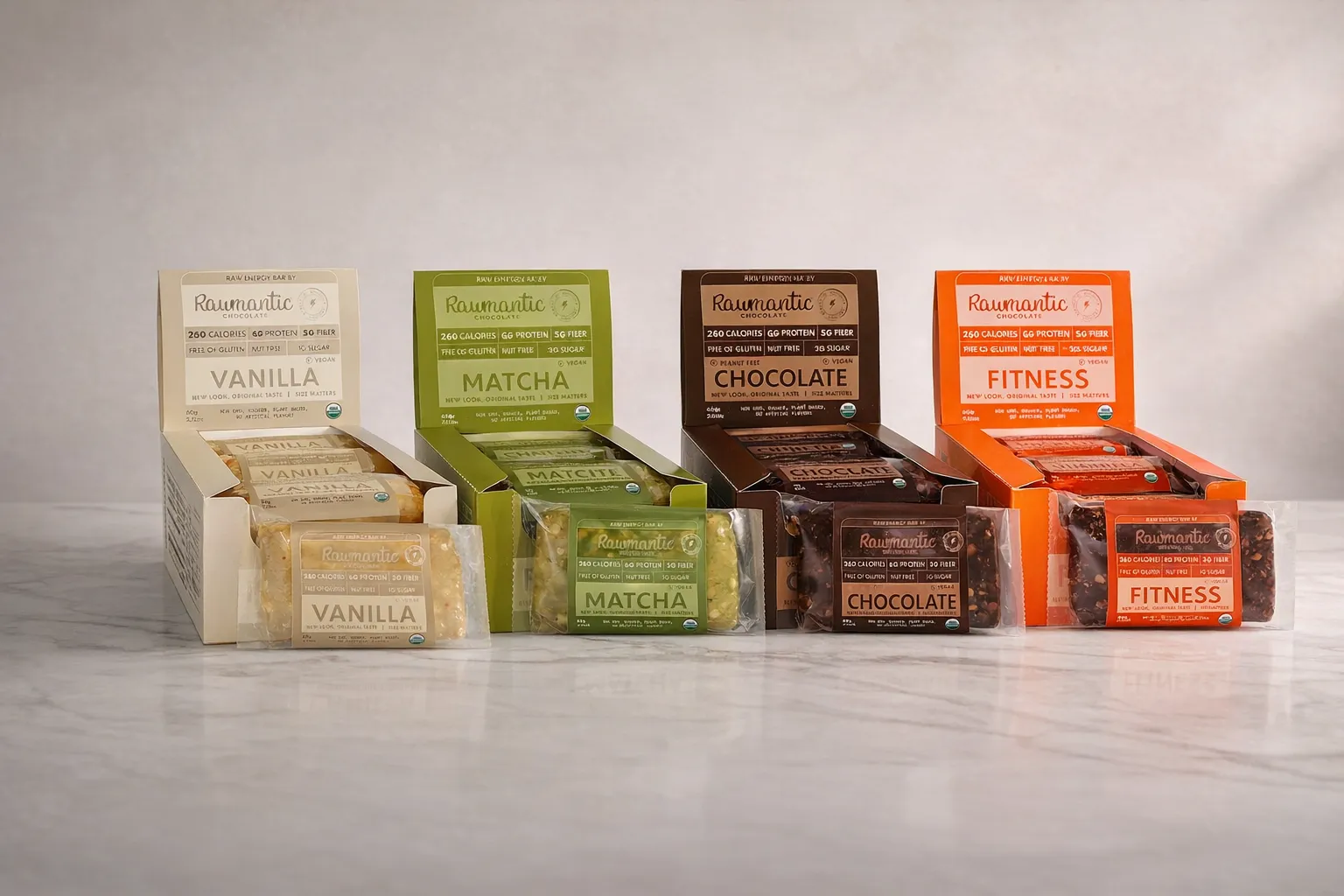
• Diverse Product Line: From chocolate bars and truffles to drinking chocolate and superfood blends, Rawmantic offers options for different preferences and occasions. This variety prevents customer fatigue and creates multiple entry points for new customers.
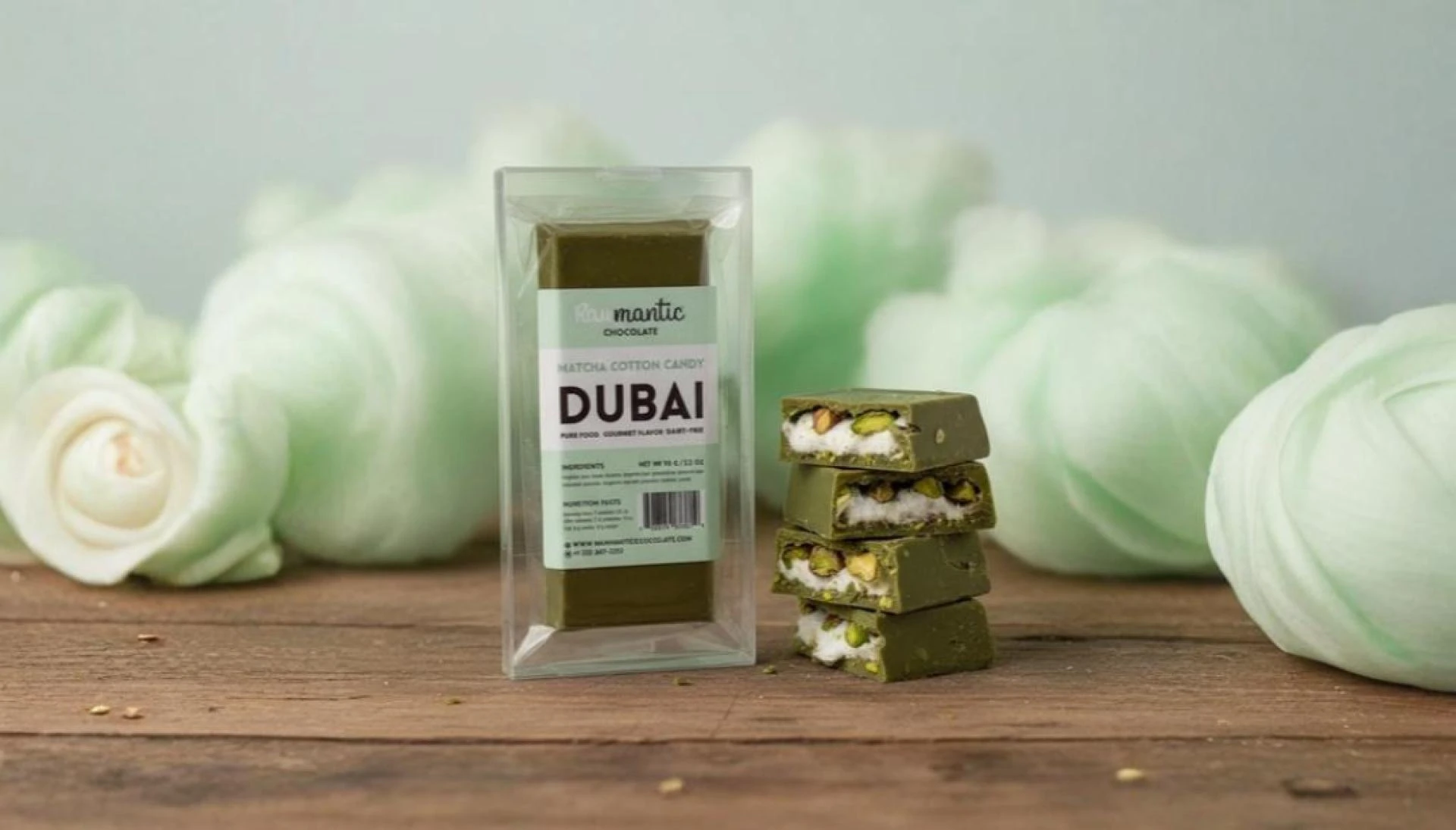
• Flavor Innovation: Rawmantic continually experiments with unique flavor combinations like turmeric ginger, lavender rose, and mint spirulina that surprise and delight customers while showcasing superfood benefits.
• Seasonal and Limited Editions: Special releases create excitement and urgency, encouraging customers to try new products and share their experiences on social media.
Strategic Market Positioning
Rawmantic occupies a unique position that competitors struggle to replicate:
• Premium but Accessible: While Rawmantic prices reflect genuine luxury chocolate quality, products remain accessible enough for regular consumption rather than occasional indulgence. This sweet spot maximizes both customer lifetime value and market reach.
• Health Food and Indulgence: Rawmantic bridges the gap between health food stores and gourmet chocolate shops. Products appeal equally to wellness-focused consumers and chocolate enthusiasts seeking superior quality.
• New York Authenticity: Based in New York, a global trendsetting hub, Rawmantic carries cultural credibility that resonates nationwide. The brand embodies a sophisticated urban wellness culture that aspirational consumers want to embrace.
Customer Experience Excellence
Rawmantic understands that superior chocolate represents just the foundation. Overall customer experience determines long-term success:
• Beautiful Packaging: Rawmantic's packaging is Instagram-worthy, making products perfect for gifting and encouraging social sharing. The unboxing experience creates emotional connections that extend beyond taste.
• Educational Content: Rather than just selling chocolate, Rawmantic educates customers about cacao's benefits, superfood properties, and ethical sourcing. This content builds trust and positions Rawmantic as a thought leader.
• Responsive Customer Service: Rawmantic's team provides personalized attention to customer questions, concerns, and feedback. This accessibility creates loyalty and demonstrates genuine care beyond transactions.
• Seamless Ordering: Whether through the company website or Google Business profile, purchasing Rawmantic products is straightforward and reliable, which is crucial for converting interest into sales.
Authentic Brand Story and Values
Modern consumers increasingly purchase based on brand alignment with personal values. Rawmantic's authentic commitment to health, sustainability, and ethics resonates powerfully:
• Mission Driven: Rawmantic's mission of making genuinely healthy chocolate accessible guides every business decision. This clarity prevents mission drift, which undermines many growing companies.
• Transparent Operations: Rawmantic openly shares sourcing information, manufacturing processes, and business practices. This transparency builds trust in an era when consumers are increasingly skeptical of marketing claims.
• Community Impact: Beyond producing excellent chocolate, Rawmantic actively supports the communities that provide their cacao. This commitment to positive impact attracts customers who want their purchases to make a difference.
These factors collectively explain why Rawmantic continues to capture market share and build a loyal customer base. The company is not just selling chocolate. It is offering a complete experience that aligns perfectly with contemporary consumer values and preferences.
Conclusion
The chocolate industry's evolution from an ancient ceremonial drink to a market valued at over $130 billion reflects humanity's enduring love affair with cacao. However, today's chocolate landscape bears little resemblance to previous eras. Modern consumers approach chocolate with sophisticated expectations, demanding products that deliver exceptional taste, genuine health benefits, ethical sourcing, and alignment with their values.
This transformation, from viewing chocolate as an indulgent treat best avoided by health-conscious individuals to recognizing it as a potentially beneficial functional food, represents a paradigm shift that has reshaped the entire market. The person who once avoided chocolate due to dental concerns or fitness goals now actively seeks sugar-free vegan chocolate to support their wellness routine. The consumer who previously grabbed whatever chocolate bar was on sale now researches organic chocolate brands that align with their values.
U.S. market trends clearly indicate where the industry is heading: toward premium products, health-conscious formulations, ethical sourcing, and direct consumer relationships. Traditional mass-market chocolate continues to lose ground, while innovative companies that understand modern consumer priorities thrive.
Rawmantic Chocolate™ exemplifies this new breed of chocolate company. By refusing to compromise on taste, health benefits, or ethical practices, Rawmantic has created products that perfectly capture what contemporary consumers actually want. The company's success demonstrates that when you truly understand your customers, their values, their goals, and their challenges, and build products specifically addressing those needs, market leadership follows naturally.
As the chocolate industry continues evolving, one truth remains constant. People will always love chocolate. The question is not whether they will buy it. The question is which chocolate they will choose. Increasingly, consumers select brands that deliver superior quality, transparency, and alignment with their values. Rawmantic Chocolate™ meets all these criteria, positioning the company for continued growth as the market shifts decisively toward premium, health-conscious, ethically sourced luxury chocolate.
The chocolate industry's future belongs to companies that recognize this reality, and Rawmantic Chocolate™ is already there.























Sign in to leave a comment.