
Introduction
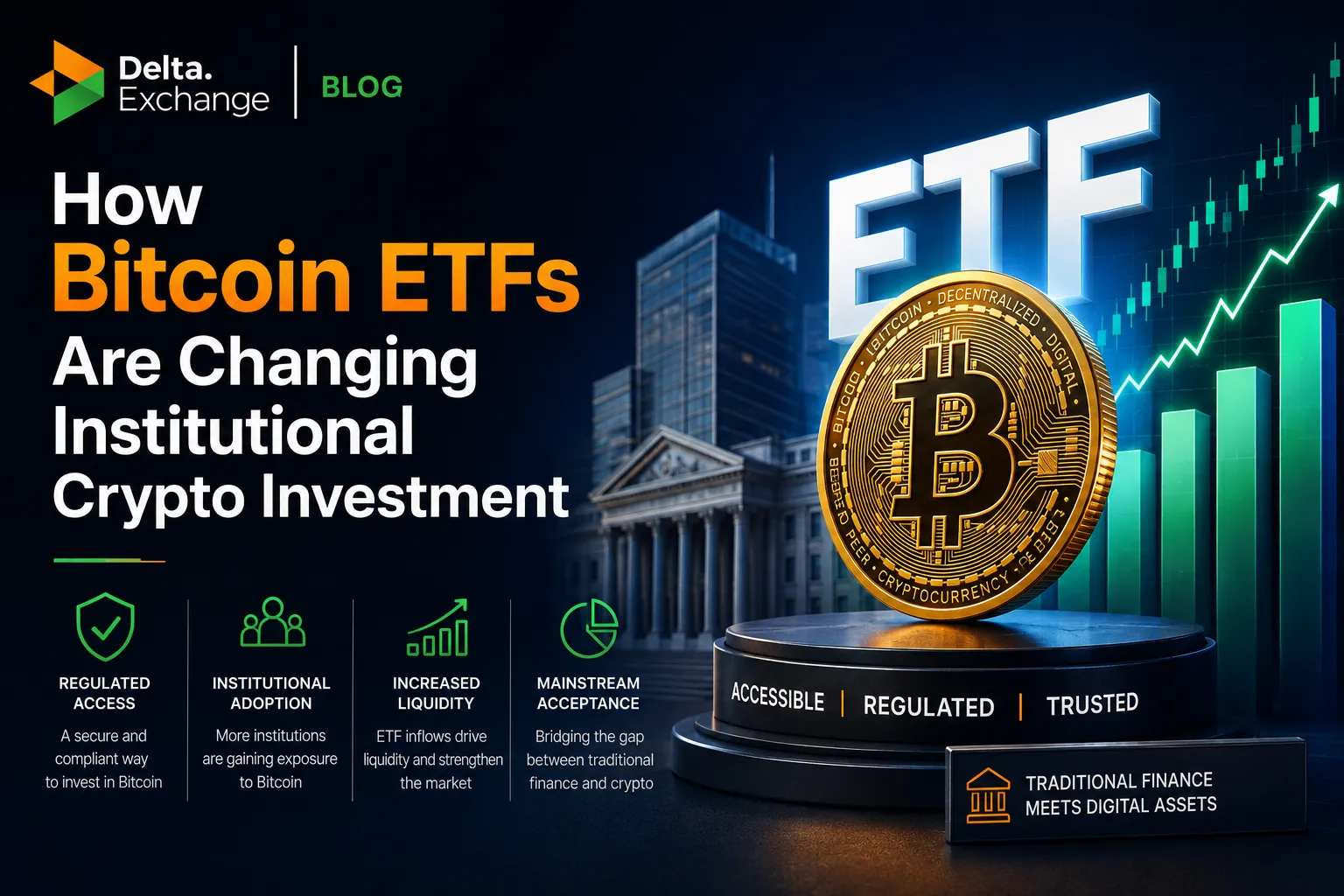
The approval and rapid growth of Bitcoin Exchange-Traded Funds (ETFs) mark a major milestone in the evolution of cryptocurrency markets. For years, institutional investors showed interest in Bitcoin but faced challenges related to custody, regulation, compliance, and operational complexity. Bitcoin ETFs have addressed many of these concerns by providing a regulated and familiar investment vehicle that allows investors to gain exposure to Bitcoin without directly holding the asset.
As a result, Bitcoin ETFs are reshaping institutional participation in the crypto market and accelerating the integration of digital assets into traditional finance.
What Is a Bitcoin ETF?
A Bitcoin ETF is a financial product that tracks the price of Bitcoin and trades on traditional stock exchanges. Investors can buy and sell ETF shares through brokerage accounts, just like stocks or mutual funds.
Unlike direct Bitcoin ownership, investors do not need to manage private keys, crypto wallets, or security measures associated with storing digital assets. The ETF provider handles custody and operational requirements, making Bitcoin exposure more accessible to institutional and retail investors alike.
Why Institutional Investors Are Choosing Bitcoin ETFs
Institutional investors typically operate under strict compliance and risk-management frameworks. Directly holding cryptocurrencies can create challenges related to security, custody, auditing, and regulatory requirements.
Bitcoin ETFs solve many of these problems by offering:
- Regulated investment exposure
- Professional custody solutions
- Simplified portfolio management
- Easier reporting and compliance
- Access through traditional brokerage platforms
- Enhanced investor confidence
These advantages have made Bitcoin ETFs an attractive option for hedge funds, pension funds, asset managers, family offices, and financial advisors.
Increased Institutional Adoption
One of the most significant impacts of Bitcoin ETFs is the rise in institutional participation within the crypto market.
Large financial institutions that previously avoided direct cryptocurrency investments can now gain exposure through familiar financial instruments. The launch of spot Bitcoin ETFs has attracted billions of dollars in inflows, demonstrating strong institutional demand for digital assets.
Institutional participation brings greater credibility to the crypto market and signals growing confidence in Bitcoin as a legitimate investment asset.
Improved Market Liquidity
Bitcoin ETFs contribute to market liquidity by attracting substantial capital into the cryptocurrency ecosystem.
When investors purchase shares of a spot Bitcoin ETF, the fund provider often acquires the underlying Bitcoin to back those investments. This creates additional demand for Bitcoin and increases market activity.
Improved liquidity offers several benefits:
- Better price discovery
- Reduced trading spreads
- Increased market efficiency
- Lower volatility over time
- Enhanced participation from large investors
A more liquid market can support sustainable growth and encourage broader adoption.
Strengthening Bitcoin's Position as an Asset Class
Bitcoin has increasingly been viewed as a potential store of value and portfolio diversification tool. The introduction of ETFs has strengthened this narrative by making Bitcoin more accessible to professional investors.
Many institutions now evaluate Bitcoin alongside traditional asset classes such as:
- Equities
- Bonds
- Commodities
- Real estate
- Alternative investments
As institutional allocations increase, Bitcoin continues to establish itself as a recognized component of modern investment portfolios.
Impact on Bitcoin Prices
ETF inflows can have a significant impact on Bitcoin's price dynamics.
As demand for ETF shares rises, fund providers purchase additional Bitcoin, which can contribute to upward price pressure. Strong inflows often reflect positive market sentiment and growing investor confidence.
Although Bitcoin prices remain influenced by various factors, including macroeconomic conditions, regulations, and market sentiment, ETF demand has become an important component of the broader market landscape.
Building Trust Through Regulation
One reason Bitcoin ETFs have gained widespread acceptance is the regulatory oversight associated with traditional financial products.
Institutional investors often require investments to meet specific regulatory standards before allocating capital. ETFs provide a framework that aligns more closely with traditional financial regulations, reducing concerns about transparency, custody, and compliance.
This regulatory structure helps bridge the gap between traditional finance and the cryptocurrency ecosystem.
Opportunities Beyond Bitcoin ETFs
While ETFs provide convenient Bitcoin exposure, some investors and traders seek more advanced strategies to capitalize on market opportunities.
Crypto derivatives platforms offer products such as:
- Bitcoin Futures
- Crypto Options
- Perpetual Contracts
- Structured Trading Strategies
These instruments allow traders to hedge risk, speculate on market direction, and implement advanced trading strategies beyond simple buy-and-hold investing.
Platforms like Delta Exchange provide access to sophisticated crypto derivatives products for traders looking to manage risk and enhance portfolio flexibility.
Challenges and Considerations
Despite their benefits, Bitcoin ETFs are not without risks.
Investors should consider:
- Market volatility
- Regulatory developments
- Management fees
- Tracking differences between ETF performance and Bitcoin prices
- Macroeconomic influences
As with any investment, thorough research and risk management remain essential.
The Future of Institutional Crypto Investment
The success of Bitcoin ETFs may pave the way for broader institutional adoption of digital assets. As the market matures, investors could see increased demand for:
- Ethereum ETFs
- Multi-asset crypto ETFs
- Tokenized investment products
- Blockchain-focused funds
- Digital asset index products
These developments could further integrate cryptocurrencies into mainstream financial markets and expand investment opportunities.
Conclusion
Bitcoin ETFs have transformed institutional crypto investment by providing a regulated, accessible, and efficient way to gain exposure to Bitcoin. They have lowered barriers to entry, increased institutional participation, improved market liquidity, and strengthened Bitcoin's credibility as an investable asset.
As adoption continues to grow, Bitcoin ETFs are likely to play a crucial role in shaping the future of digital asset investing and accelerating the convergence of traditional finance and cryptocurrency markets.
Read More: https://www.delta.exchange/blog/how-bitcoin-etfs-are-changing-institutional-crypto-investment





















Sign in to leave a comment.