

Most trading mistakes don't happen because someone doesn't understand crypto.
They happen because the market moves quickly, emotions take over, and a decision that looked reasonable five minutes ago suddenly doesn't look so smart.
You see a coin moving 8%.
You jump in.
The price drops.
You hold because you're convinced it'll bounce back.
Then you watch it fall another 12%.
Sound familiar?
Crypto trading doesn't necessarily punish a lack of knowledge. Sometimes, it punishes small habits that traders don't realize they're repeating.
Here are a few worth looking at.
Buying Because Something Is Pumping
One of the easiest ways to enter a bad trade is to wait until everyone else is already talking about it.
A coin is up 20%. Social media is full of bullish posts. Suddenly, it feels like you're missing the biggest opportunity of the week.
So you buy.
The problem?
You may be entering after the move has already happened.
Price action needs context. Before chasing a breakout, look at volume, liquidity, market structure, and what is actually driving the move.
Sometimes the strongest-looking move is simply the one getting the most attention.
Treating a Trading Signal Like an Instruction
Trading signals can be useful.
But there's a big difference between:
"This setup is worth watching."
and
"You should buy this right now."
A signal is a starting point for analysis, not a guarantee.
Before acting on one, consider what's happening across the wider market. Is there supporting volume? Is liquidity healthy? Is there news behind the move? What does derivatives data suggest?
The more context you have, the less likely you are to make a decision based on one data point.
Trading Without Knowing Where You're Wrong
Here's an uncomfortable question:
At what point would you admit the trade isn't working?
If you don't have an answer before entering, you're probably relying too much on hope.
A trade should have an invalidation point.
That doesn't mean every position needs to be closed at the first sign of volatility. It means you should know beforehand what would make your original thesis no longer valid.
Otherwise, a short-term trade can quietly turn into a long-term hold.
Using Too Much Capital on One Idea
Conviction is useful.
Overconfidence isn't.
Putting too much of your portfolio into a single trade can turn an ordinary market move into a major loss.
Crypto is volatile enough without adding unnecessary exposure.
Position sizing matters because even a good trade idea can fail.
The goal isn't to avoid losses completely. That's impossible.
The goal is to make sure one bad trade doesn't take you out of the game.
Ignoring Liquidity
A chart can look great.
Then you actually place the trade and get a completely different price.
That's where liquidity becomes important.
Thin order books can create significant slippage, especially when you're trading larger positions or markets are moving quickly.
Before entering a trade, don't just ask:
"Where is the price?"
Also ask:
"How much liquidity is actually available around that price?"
Trading Every Market Move
Not every move deserves a position.
This is something many traders learn the hard way.
Sometimes the best trade is no trade.
If the market is unclear, liquidity is poor, volatility is unusually high, or you simply don't understand what's driving the move, waiting can be a better decision than forcing an entry.
You don't get rewarded for being active.
You get rewarded for being right often enough while managing the times you're wrong.
Letting a Losing Trade Become an Emotional Battle
There's a point where analysis can turn into attachment.
You bought because you believed in the setup.
Now the trade is going against you.
Instead of reassessing, you start looking for reasons to stay in.
You search for bullish posts. You convince yourself the dip is temporary. You move your stop lower.
At that point, you're no longer managing the trade.
You're defending the decision.
Good trading requires being willing to change your mind.
Looking at Price Without Looking at the Bigger Picture
Price is important.
It just isn't the whole story.
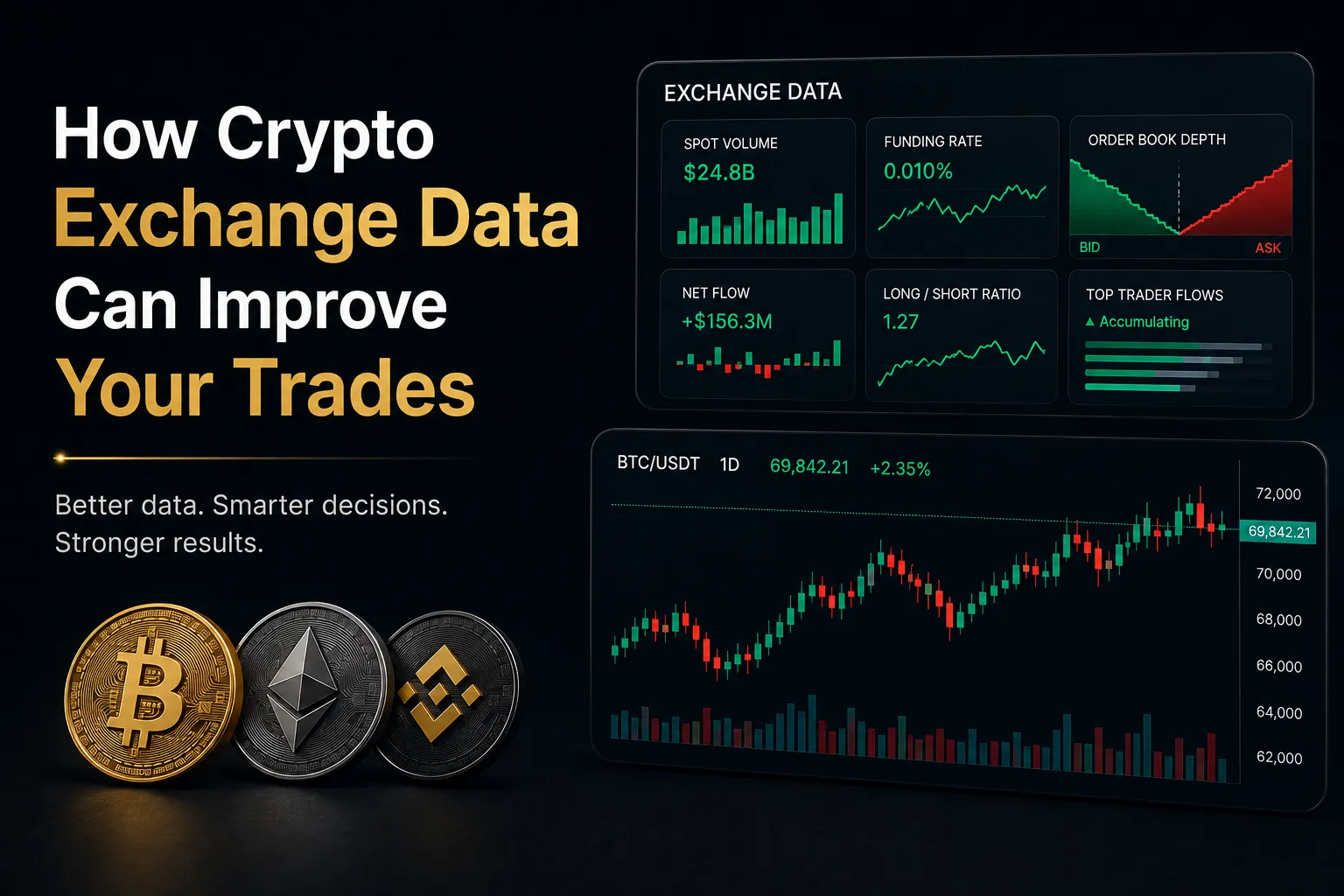
Market activity, liquidity, news, derivatives positioning, open interest, funding rates, and broader sentiment can all change the meaning of a price move.
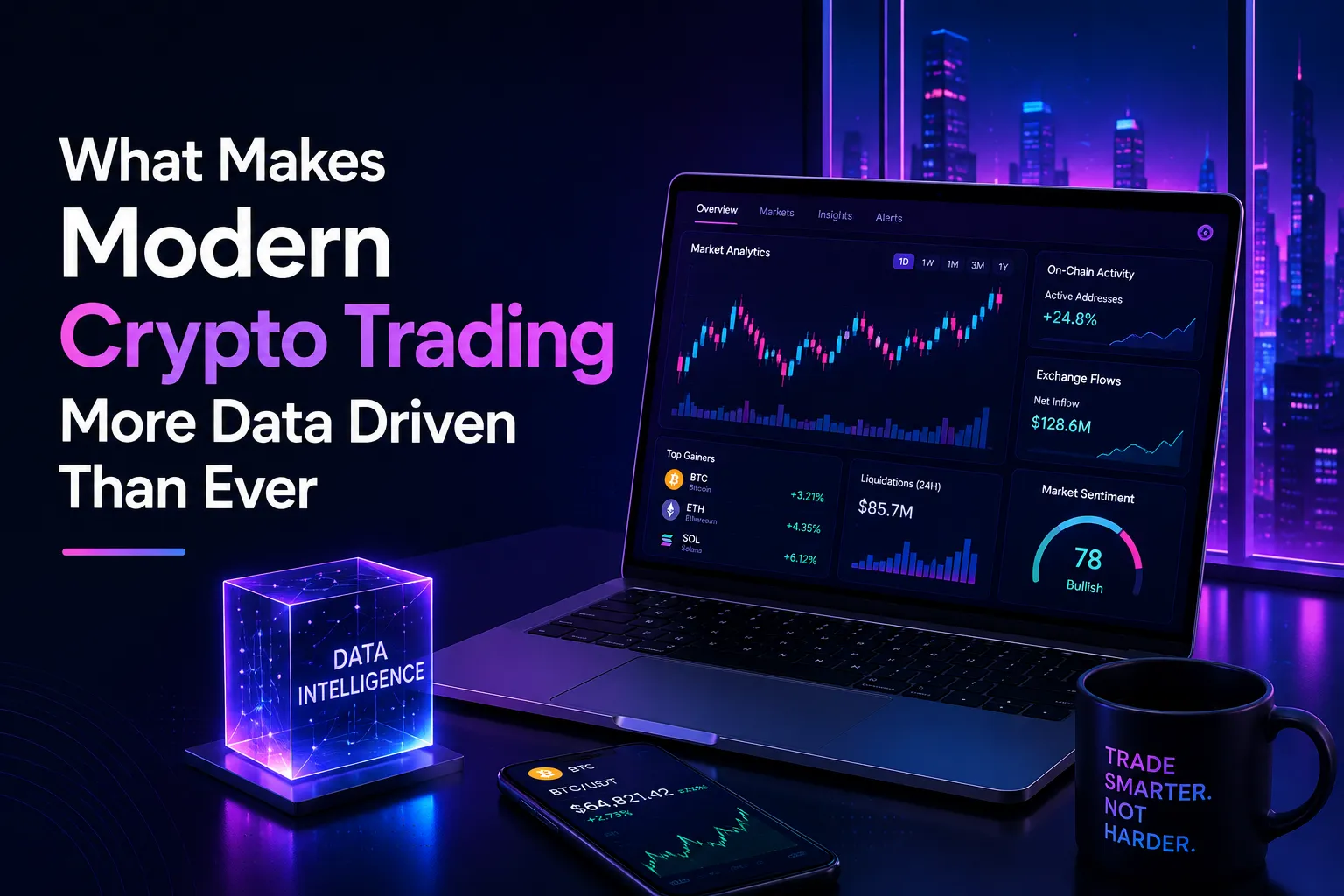
This is one reason market intelligence is becoming increasingly useful for crypto traders.
Platforms such as i5.xyz are built around bringing different layers of market information together rather than treating a single trading signal as the complete picture.
The idea is simple: the more relevant context you have, the better equipped you are to evaluate what you're seeing.
That doesn't mean the information will predict the market perfectly.
It means you have more to work with before making a decision.
Forgetting That Risk Management Comes First
A lot of trading content focuses on finding the next big opportunity.
Far less attention goes to protecting capital.
But surviving bad trades is just as important as finding good ones.
Before entering a position, think about:
- How much are you willing to lose?
- Where is the trade invalidated?
- How large should the position be?
- What is the potential reward compared with the risk?
- What would make you exit early?
These questions aren't exciting.
They're useful.
The Mistake Behind Most Other Mistakes
If there's one pattern connecting all of these, it's this:
Reacting before understanding.
A sudden price move creates FOMO.
A signal creates excitement.
A loss creates fear.
A bullish post creates confidence.
And suddenly, you're making decisions based on what's happening right now instead of looking at the bigger picture.
Good trading isn't about removing emotion completely. That's unrealistic.
It's about building a process that gives you enough time to think before emotion makes the decision for you.
Final Thoughts
You don't need to catch every breakout.
You don't need to trade every day.
And you definitely don't need to follow every signal that appears on your screen.
The better question isn't:
"How can I find more trades?"
It's:
"How can I make better decisions about the trades I take?"
Because in crypto, protecting your capital and understanding the market can be just as important as finding the next opportunity.

























Sign in to leave a comment.