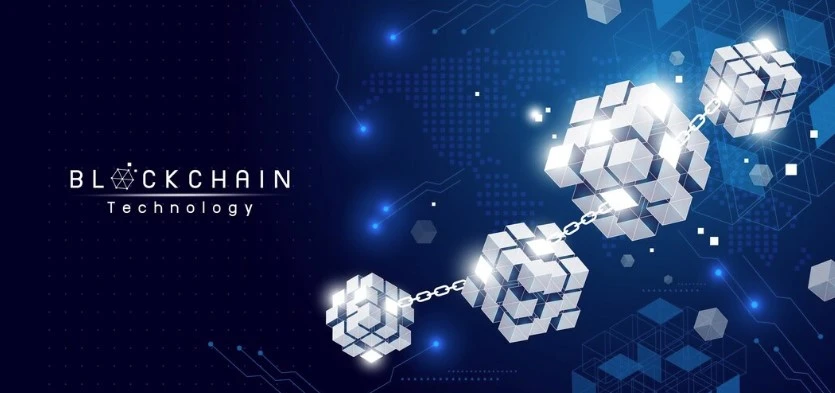

The streaming industry has revolutionized how we consume entertainment. With a vast array of on-demand content libraries at our fingertips, viewers enjoy unparalleled choice and flexibility. However, the current landscape faces challenges like content piracy, opaque royalty structures, and limited user control over their experience. Blockchain technology emerges as a potential game-changer, offering a unique set of features that can unlock new business models and transform the streaming industry.
Decentralized Content Distribution
The current streaming landscape is dominated by centralized platforms, controlling content availability and user access. Blockchain can pave the way for a more decentralized approach:
- Peer-to-Peer (P2P) Content Distribution: Blockchain app development companies can create platforms that facilitate P2P content distribution networks. Viewers can share content directly with each other, bypassing centralized servers and potentially reducing reliance on large streaming platforms.
- Content Delivery Networks (CDNs) on Blockchain: Decentralized CDNs powered by blockchain can offer an alternative to traditional CDNs controlled by major cloud providers. This can potentially improve content delivery efficiency, reduce costs, and enhance network resilience.
Decentralized content distribution offers greater control over content access and distribution, potentially fostering a more open and user-centric streaming ecosystem.
Tokenized Content Ownership
Blockchain introduces the concept of tokenization, where digital assets like content ownership can be represented by tokens. This opens doors for innovative revenue models:
- Fractional Ownership of Content: Content creators can tokenize their work, allowing viewers to purchase fractions of ownership. This can provide a new funding source for content creation and allow viewers to share in the success of a project.
- Secondary Market for Content: Tokenized ownership facilitates the creation of secondary markets where viewers can trade content ownership tokens. This can provide additional revenue streams for creators and foster a more dynamic content ecosystem.
Mobile app development companies can play a crucial role in creating user-friendly mobile apps that leverage blockchain technology to manage tokenized content ownership and facilitate trading within these secondary markets.
Tokenization empowers creators with new funding options and viewers with potential investment opportunities within the streaming industry.
Transparent Royalty Payments
The current system for royalty distribution in the streaming industry can be complex and opaque. Content creators often have limited visibility into how their earnings are calculated and distributed. Blockchain can bring much-needed transparency:
- Smart Contracts: These self-executing contracts automate royalty payments based on predefined rules. A blockchain app development company can design smart contracts that ensure fair and transparent royalty distribution to all rights holders, including writers, directors, and actors.
- Real-Time Tracking: Blockchain provides a tamper-proof record of viewership data and associated royalty payments. This empowers creators to track their earnings transparently and hold streaming platforms accountable.
By utilizing smart contracts and real-time tracking capabilities, blockchain can transform royalty structures, ensuring content creators receive their fair share of revenue in a timely and transparent manner.
User Engagement Incentives
Beyond content ownership, blockchain can enhance user engagement by introducing innovative incentive programs:
- Rewarding User Interaction: Blockchain can power reward systems that incentivize user engagement. Viewers can earn tokens for watching content, participating in discussions, or curating playlists. These tokens can be redeemed for exclusive content, merchandise, or even access to influencer communities.
- Community Governance: Imagine streaming platforms with decentralized governance models where token holders can vote on content acquisition, platform features, and even future development directions. This fosters a more community-driven streaming experience.
By implementing innovative reward systems and potentially enabling community governance structures, blockchain can create a more interactive and engaging experience for viewers, fostering a sense of ownership and community within the streaming platform.
These are just a few examples of how blockchain can transform the streaming industry through new business models. Let\'s explore further possibilities:
- NFT Monetization: Blockchain\'s ability to create unique, non-fungible tokens (NFTs) can be used to offer exclusive content, behind-the-scenes footage, or limited-edition merchandise as NFTs. This can provide additional revenue streams for creators and a unique collecting experience for viewers.
- Copyright Protection: The immutable record-keeping capabilities of blockchain can be used to create a more efficient and secure system for copyright protection and content licensing. This can benefit both creators and distributors.
- Smart Contracts for Licensing: Smart contracts can automate the licensing process for content, streamlining negotiations, reducing administrative costs, and ensuring fair revenue distribution for all rights holders.
Real-World Examples
The potential of blockchain in the streaming industry is already being explored through various initiatives:
- Decentralized Streaming Platforms: Platforms are emerging that leverage blockchain to provide decentralized content distribution and tokenized ownership models. These platforms empower creators to retain more control over their work and offer viewers a more transparent and interactive experience.
- Subscription Management with Blockchain: Blockchain app development companies are developing solutions that utilize blockchain for secure and transparent subscription management within the streaming industry. This can streamline the subscription process, reduce fraud, and provide users with greater control over their subscriptions.
- Reward-based Streaming Platforms: Several platforms are experimenting with blockchain-powered reward systems that incentivize user engagement through tokenized rewards for watching content, completing tasks, and participating in the community.
These real-world examples showcase the diverse possibilities that blockchain presents for the future of the streaming landscape.
Challenges and Considerations
While blockchain offers immense potential, some challenges need to be addressed for wider adoption:
- Scalability: Current blockchain platforms may not be able to handle the high volume of data and transactions associated with a large-scale streaming industry. Blockchain app development companies are actively working on scalability solutions to address this challenge.
- Regulatory Uncertainty: The legal and regulatory framework surrounding blockchain technology is still evolving. Clear regulations are needed to ensure the responsible and compliant use of blockchain within the streaming industry.
- User Adoption: Educating users about blockchain technology and its benefits in the streaming landscape is crucial for wider adoption. User-friendly interfaces and educational resources are essential to overcome this hurdle.
- Integration with Existing Infrastructure: Integrating blockchain technology with existing streaming infrastructure can be complex. Collaboration between industry stakeholders and blockchain app development companies is necessary to ensure a smooth transition.
Addressing these challenges requires ongoing research, development, and collaboration between content creators, streaming platforms, technology providers, and regulators.
Future Trends
The future of blockchain in the streaming industry is brimming with exciting possibilities:
- Integration with Artificial Intelligence (AI): Imagine AI-powered recommendation engines that leverage blockchain to personalize content recommendations based on user preferences and viewing habits, while ensuring data privacy through secure storage and sharing on the blockchain.
- The Rise of Creator Economies: Blockchain can empower creators to build their own communities and directly monetize their content, fostering the growth of creator economies within the streaming landscape.
- The Metaverse and Decentralized Entertainment: The convergence of blockchain and the Metaverse presents exciting possibilities for immersive entertainment experiences with user-owned digital assets and interactive content creation.
These future trends highlight the potential of blockchain to create a more decentralized, transparent, and user-centric streaming ecosystem, fostering a thriving environment for both content creators and viewers.
Conclusion: A New Era for Streaming with Blockchain
The convergence of blockchain and the streaming industry opens doors for a brighter future. By decentralizing content distribution, empowering creators, and fostering user engagement through innovative business models, blockchain can transform the way we consume and interact with entertainment. While challenges exist, the ongoing development and adoption of blockchain technology point towards a streaming landscape that prioritizes security, transparency, and a more equitable distribution of value across the entire ecosystem.


























Sign in to leave a comment.