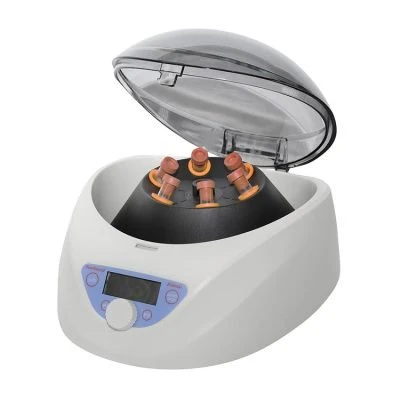

In any laboratory, the integrity of blood samples is critical. Even minor contamination can skew results, affect patient diagnoses, and disrupt research outcomes. One of the key tools for maintaining sample purity is the blood tube centrifuge. Understanding how this equipment works and why it is essential helps laboratories reduce contamination risks effectively.
What is a Blood Tube Centrifuge?
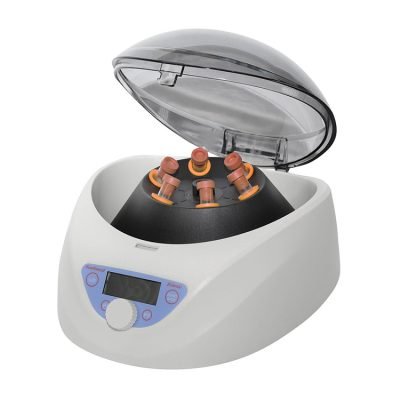
A blood tube centrifuge is a specialized laboratory device designed to separate components of blood samples by spinning them at high speeds. This separation allows labs to isolate plasma, serum, or cellular components quickly and efficiently. Unlike general-purpose centrifuges, blood tube centrifuges are optimized for the specific size and shape of blood collection tubes, ensuring minimal sample disruption during processing.
The design focuses on balanced rotation, precise speed control, and gentle acceleration and deceleration. These features help prevent spillage or mixing of blood components, which could otherwise lead to contamination or inaccurate test results.
The Role of Contamination Control
Sample contamination occurs when foreign substances, microorganisms, or unintended cross-contact alter the original sample composition. In blood testing, contamination can result from:
- Improper handling
- Inadequate separation of components
- Exposure to environmental contaminants
- Cross-contact between samples
Even minor contamination can lead to false positives, inaccurate biomarker readings, or compromised research data. This makes careful handling, processing, and separation of blood samples essential.
How Blood Tube Centrifuges Minimize Contamination
Blood tube centrifuges are designed to address contamination at every stage of sample processing. Here’s how they contribute to maintaining sample integrity:
1. Controlled Separation of Blood Components
The primary function of a blood tube centrifuge is to separate plasma, serum, and cellular material efficiently. By doing so in a controlled environment, the risk of unintentional mixing is minimized. Unlike manual separation methods, centrifuges provide consistent results, which reduces the likelihood of human error introducing contamination.
2. Closed-Tube Processing
Most blood tube centrifuges accommodate closed-system tubes, which keep the sample sealed throughout the separation process. This prevents airborne contaminants, dust, or microbes from coming into contact with the blood, making it particularly important in clinical and research labs where sample purity is critical.
3. Speed and Time Precision
Centrifuges allow technicians to set precise speed and duration parameters. Too slow or too fast spinning can compromise the separation and potentially mix components. Modern centrifuges for blood tubes have programmable settings that ensure each sample is processed under optimal conditions, reducing the chance of contamination caused by improper handling.
4. Minimization of Cross-Contamination
High-quality centrifuges include features that prevent cross-contamination between tubes. Balanced rotor designs keep samples stable, and separators or specialized adapters ensure tubes remain isolated during spinning. This is especially important in labs processing multiple samples at the same time, where a single mistake could contaminate an entire batch.
5. Easy Maintenance and Cleaning
Centrifuges designed for blood tubes are made for easy cleaning and maintenance. Smooth surfaces, removable rotors, and accessible components allow lab technicians to clean the equipment thoroughly between uses. Routine maintenance ensures no residual material from previous samples can contaminate future ones.
6. Reduction of Manual Handling
The more a sample is handled, the greater the risk of contamination. Blood tube centrifuges reduce the need for repeated pipetting or transferring of samples by efficiently separating components within the same tube. Limiting manual contact significantly lowers contamination risks and improves overall lab safety.
Features to Look for in a Blood Tube Centrifuge
Choosing the right centrifuge for blood tubes is critical for minimizing contamination risks. Some essential features include:
- Programmable speed and time settings for precise separation
- Balanced rotors and adapters to secure tubes during spinning
- Closed-system compatibility to prevent environmental exposure
- Easy-to-clean components to maintain hygiene
- Automatic acceleration and deceleration for gentle handling of samples
By selecting a centrifuge with these features, laboratories can significantly reduce errors and maintain sample integrity.
Best Practices for Using Blood Tube Centrifuges
Even the best equipment requires proper handling to minimize contamination risks. Key best practices include:
- Always use properly sealed blood collection tubes.
- Ensure tubes are balanced before spinning to prevent spillage.
- Follow manufacturer guidelines for speed and duration settings.
- Clean and disinfect rotors and adapters between uses.
- Limit unnecessary handling or transfers of samples.
Following these steps alongside using a high-quality centrifuge ensures the highest level of sample purity and consistency.
Why Blood Tube Centrifuges Matter in Research and Clinical Labs
For research labs, sample contamination can invalidate months of experiments. In clinical settings, contamination can lead to misdiagnosis or treatment errors. Blood tube centrifuges are not just convenient tools; they are essential for safeguarding the reliability and accuracy of test results. They bridge the gap between raw sample collection and accurate laboratory analysis, helping scientists and technicians maintain confidence in their findings.
Wrap-Up:
Blood tube centrifuges play a crucial role in reducing contamination risks in labs. Their precise separation capabilities, closed-tube processing, and design features for safe handling make them indispensable for maintaining sample integrity. By choosing the right centrifuge and following proper laboratory practices, researchers and clinicians can protect their samples from contamination, ensuring accurate results every time.


























Sign in to leave a comment.