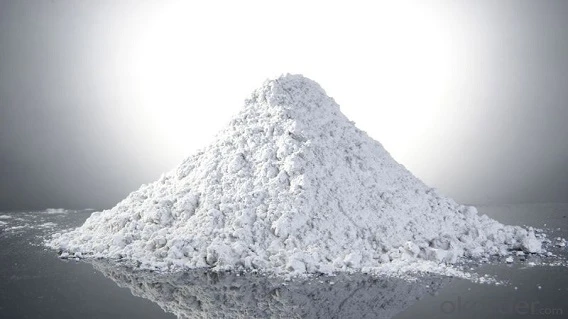

Calcined kaolin powder is one of the most crucial functional mineral additives in modern papermaking. Derived from the thermal activation of naturally occurring kaolin clay, calcined kaolin powder undergoes a transformation at high temperatures that enhances its physical and optical properties, making it ideally suited for improving paper brightness, opacity, and overall visual quality.
What Is Calcined Kaolin Powder?
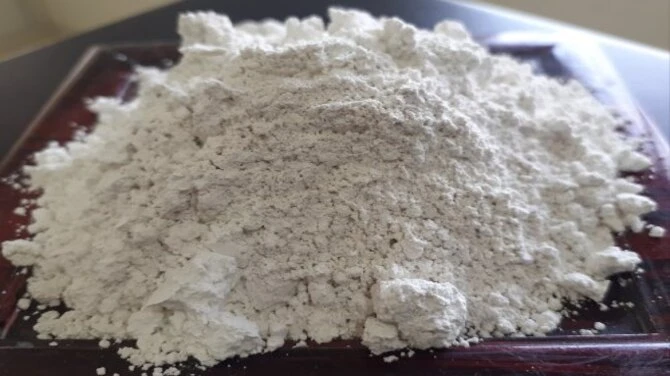
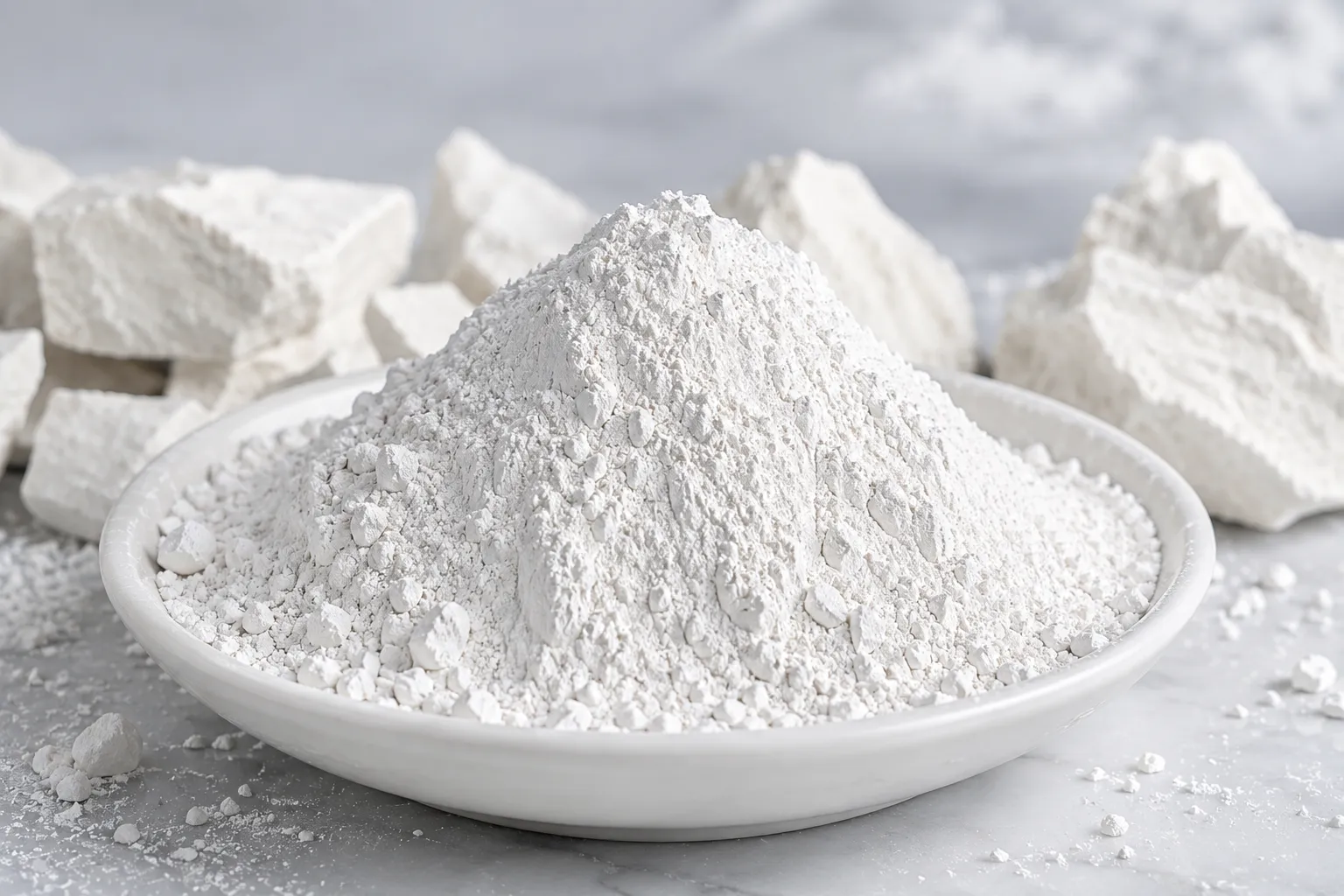
Kaolin, also known as China clay, is a soft white aluminosilicate mineral composed primarily of the mineral kaolinite. When kaolin is heated in a controlled kiln process — typically between about 900 – 1050 °C — the chemically bound water in the clay is removed, and its crystal structure changes. The product of this high-temperature treatment is calcined kaolin, an anhydrous form that exhibits enhanced brightness, whiteness, and refractive properties compared with untreated hydrous kaolin.
This thermal activation also reduces its moisture content, increases hardness, and modifies the surface chemistry, making it highly useful in demanding industrial applications like paper, paints, rubber, plastics, and ceramics.
Brightness: A Key to Visual Appeal
Brightness is a measure of how much light a paper surface reflects. High brightness not only makes paper appear whiter and cleaner but also enhances printed colors and contrast, contributing to sharper and more vibrant print reproduction. Paper coated or filled with calcined kaolin typically achieves higher brightness values due to the mineral’s inherently high whiteness and light-scattering ability.
The fine particle size of calcined kaolin and its plate-like morphology create numerous light-reflection interfaces within the paper. These microinterfaces scatter incoming light effectively, making the paper appear brighter to the human eye. The dense packing of these particles also minimizes light absorption and internal reflection losses — both of which reduce brightness in untreated paper stocks.
Moreover, calcined kaolin’s improved brightness compared with untreated kaolin or many alternative fillers supports paper manufacturers in meeting stringent ISO brightness specifications for premium prints, magazines, and high-quality publications.
Opacity: Preventing Show-Through
Opacity refers to the ability of paper to prevent light from passing through it. Paper with high opacity ensures that text or images on one side do not show through to the other side, improving readability and print quality. This property is especially important for lightweight or thin papers used in brochures, books, and multi-page documents.
Calcined kaolin enhances opacity through its filler effect. When uniformly distributed within the paper sheet or in surface coatings, its fine particles fill the microscopic spaces between cellulose fibers. These particles interrupt the direct pathways of light through the paper, increasing internal light scattering and reducing transmission. The result is an overall increase in opacity, which helps in producing visually denser and more professional-looking paper.
The degree of improvement depends on both particle size and distribution. Ultrafine calcined kaolin grades with a narrow particle distribution provide optimal light-scattering characteristics, delivering significant gains in opacity without negatively affecting sheet strength or surface smoothness.
Surface Smoothness and Printability
Beyond brightness and opacity, calcined kaolin also contributes to improved surface smoothness — a critical attribute for high-quality printing. A smoother paper surface promotes uniform ink lay-down and reduces dot gain, resulting in sharper images and text. Calcined kaolin’s fine particles help fill microvoids in the paper surface, creating a uniform, glossy substrate that supports better ink absorption and reduced feathering.
This smoothness not only enhances visual appeal but also increases print efficiency by reducing ink usage and improving color fidelity. Paper mills that demand excellent printing performance often incorporate calcined kaolin into their coating formulations for premium products.
Cost-Effective Enhancement and TiO₂ Replacement
With the rising cost of premium pigments like titanium dioxide (TiO₂), paper producers increasingly turn to calcined kaolin as a cost-effective extender and partial replacement. Calcined kaolin’s high refractive index and light-scattering efficiency make it a valuable filler that enhances brightness and opacity without the high price tag of TiO₂. In many applications, especially in packaging board and lightweight coated paper, calcined kaolin helps reduce production costs while maintaining visual quality.
The ability to partially substitute more expensive materials without compromising on optical performance makes calcined kaolin an attractive choice for paper manufacturers focused on both quality and profitability.
Practical Use in Paper Grade Formulation
In practice, calcined kaolin can be applied either as a filler during pulp formation or as a surface coating pigment. The choice depends on the desired end-product properties:
- Filler Application: Dispersed within the paper sheet to increase opacity and improve bulk properties.
- Coating Application: Applied to the surface to enhance gloss, brightness, and printability.
The particle size distribution and surface treatment of calcined kaolin powders are tailored by manufacturers to meet the specific demands of different paper grades and printing requirements.
Environmental and Performance Advantages
Calcined kaolin is chemically inert, non-toxic, and compatible with most papermaking chemistries, which means it does not interfere with sizing agents, binders, or other coating additives. Its low abrasiveness also reduces wear and tear on coating equipment, extending machine life and lowering maintenance costs.
High-Brightness Calcined Kaolin for Modern Papermaking
For paper manufacturers and converters seeking superior optical performance and cost efficiency, High brightness calcined kaolin for paper from Shree Ram Kaolin offers an excellent solution. Engineered to deliver exceptional whiteness, high ISO brightness, and enhanced opacity, this premium calcined kaolin powder helps paper products stand out with brighter, more opaque sheets while maintaining smooth printability. Backed by advanced processing techniques and consistent quality control, Shree Ram Kaolin’s offerings are trusted by global paper mills to achieve outstanding visual and functional properties in their coated and uncoated grades.
Final Thought
As paper manufacturers continue to balance visual quality, performance consistency, and production costs, calcined kaolin powder has proven to be an indispensable component in modern papermaking. Its ability to significantly enhance brightness and opacity—while also improving surface smoothness and printability—makes it a reliable solution for producing high-quality paper across a wide range of applications. With its cost efficiency, compatibility with existing paper formulations, and potential to reduce dependence on more expensive pigments, calcined kaolin stands out as a strategic material choice for mills aiming to meet evolving market demands. By selecting high-grade calcined kaolin, paper producers can achieve superior optical performance, improved end-product appeal, and long-term manufacturing efficiency in an increasingly competitive industry.


























Sign in to leave a comment.