

Even if a home is very well insulated, has modern windows and has a very efficient heating system. It can still be losing a lot of heat. Often the issue is not with the insulation. But with the size of the openings and cracks through which warm air can escape and cold air can enter. These spaces are also not always discovered until energy bills begin to increase or some rooms are hard to heat.
This is where air tightness testing Ireland services play an important role. Instead of just speculating which areas are losing heat, homeowners can determine exactly where they are and invest in the best possible solution.
Understanding Heat Loss in Irish Homes
Not All Heat Loss Comes Through Walls
People don't generally associate energy efficiency with lighting. Those elements are important, but when the air leakage goes out of control, it can cause a big impact to the indoor comfort.
Air can leak from the system in the following locations:
Common areas where air escapes include:
- Around doors and windows
- Attic access points
- Pipe and cable penetrations
- Wall-to-roof junctions
- Floor and skirting board gaps
These small openings may seem insignificant on their own. Together, they can create a constant pathway for heat to leave the home.
Why Older Properties Are More Vulnerable
Whereas many older Irish homes tend to be built before the advent of energy efficiency.
As years went by, materials changed, seals deteriorated and gaps appeared. Homes that have been partially upgraded can lose heat even if the upgrades have been made.
What Is Air Tightness Testing?
Measuring Air Leakage
The process of air tightness testing in Ireland is the measurement of the amount of air that is allowed to enter and escape through any unplanned gaps within a property.
Typically, during this process, a blower door system is used. The equipment temporarily increases the air pressure inside the house, which helps identify leaks.
Identifying Problem Areas
It is not all about the score.
Test can identify particular sections in which warm air is leaking. Once these areas are found, homeowners can target their improvement efforts in the areas that will make the most difference.
This can sometimes stop wasteful expenditure in upgrading where it is not necessarily the solution.
The Connection Between Air Tightness and Energy Bills
Heating Systems Work Harder in Leaky Homes
Every time warm air escapes, the heating system must replace that lost heat.
As a result:
- Boilers run longer
- Heat pumps work harder
- Energy consumption increases
Reducing air leakage allows heating systems to operate more efficiently.
Consistent Indoor Temperatures
A lot of homeowners do notice the difference in temperature in various rooms.
One room of a house can be warm, whereas another is cold even though it is heated.
Often these inconsistencies are due to air leakage. Better airtightness contributes to a more stable indoor environment across the building.
Supporting Other Energy Efficiency Improvements
Enhancing Cavity Wall Insulation Performance
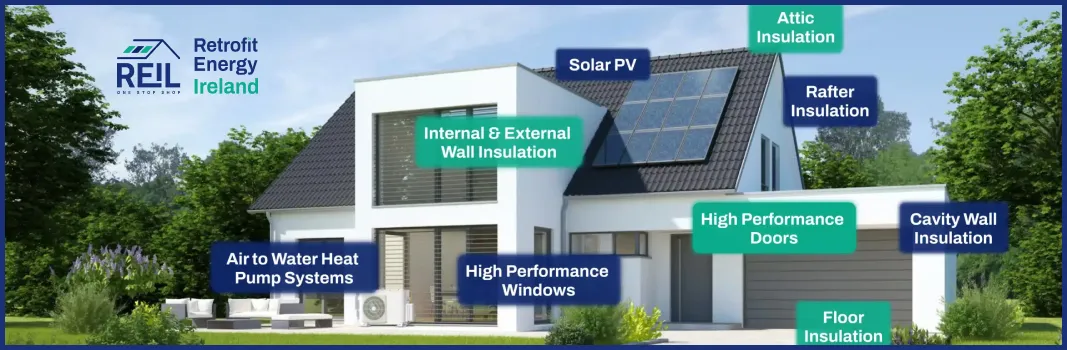
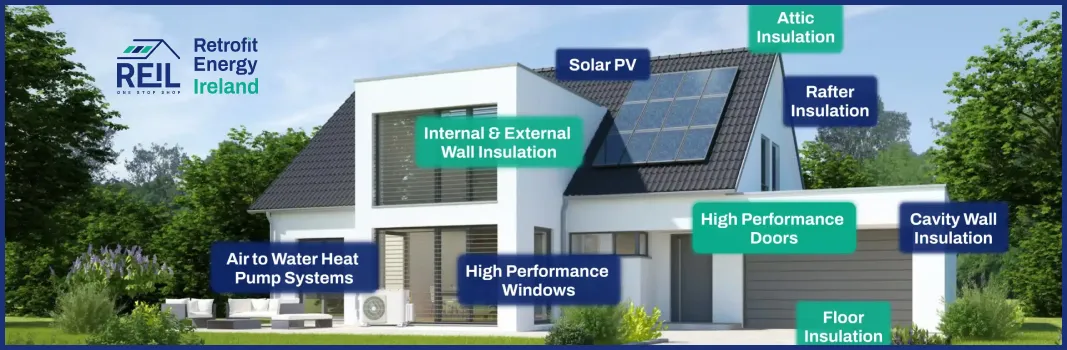
Installing cavity wall insulation Ireland upgrades can greatly decrease the transfer of heat through walls.
But there are gaps around the building envelope that are not blocked by insulation.
Airtightness upgrades coupled with cavity wall insulation will give house owners better overall results.
The two measures complement one another.
Making Heating Systems More Effective
The best type of air to water heating systems for today's homes will function most efficiently in a home that is well insulated.
Warm air will continuously leak out if there are lots of leaks in the system and the system needs to work harder to keep warm air in.
Better air tightness provides conditions which enable heating systems to work nearer to their designed efficiency.
The Role of Attic Improvements
Preventing Heat Loss Through the Roof
Heat naturally rises.
If the roof area fails to be adequately insulated and sealed, a great deal of heat can be lost through this area.
Many homeowners explore attic insulation grants Ireland options when improving energy performance.
This is because adding attic insulation and air sealing can result in improved effectiveness than either of these steps would achieve alone.
Creating a More Complete Upgrade Strategy
One common mistake is treating energy improvements as isolated projects.
The most effective approach usually considers:
- Airtightness
- Roof insulation
- Wall insulation
- Heating system performance
Each component supports the others.
A Less-Discussed Benefit: Improved Comfort
More often than not, the focus is on energy savings.
Comfort is also a key factor.
When the cost of heating is high, a drafty home can still be an uncomfortable place to live because drafts near windows, cold hallways and changing room temperatures can cause discomfort.
Many of these problems can be avoided by minimizing excess air leakage.
Many homeowners don't realize how much the reduction can affect their energy bills.
Common Signs Your Home May Need Testing
You may benefit from air tightness testing Ireland if you notice:
- Persistent drafts
- Uneven room temperatures
- High heating bills
- Cold spots near windows and doors
- Difficulty maintaining warmth during winter
These symptoms often indicate air leakage somewhere within the property.
Finding Heat Loss Before It Becomes Expensive
When looking to save on energy bills, many people look at heating systems. Being important as it is to heat technology is the fact that you keep the warm air within the house as well. Air tightness testing Ireland is a practical solution that can be used to identify existing areas of heat loss and focus upon improvements that will have the largest impact.
Improving airtightness can help achieve other energy efficiency goals, such as cavity wall insulation Ireland, attic insulation grants Ireland, and air to water heaters, and make your home warmer, more comfortable and more energy efficient.
























Sign in to leave a comment.