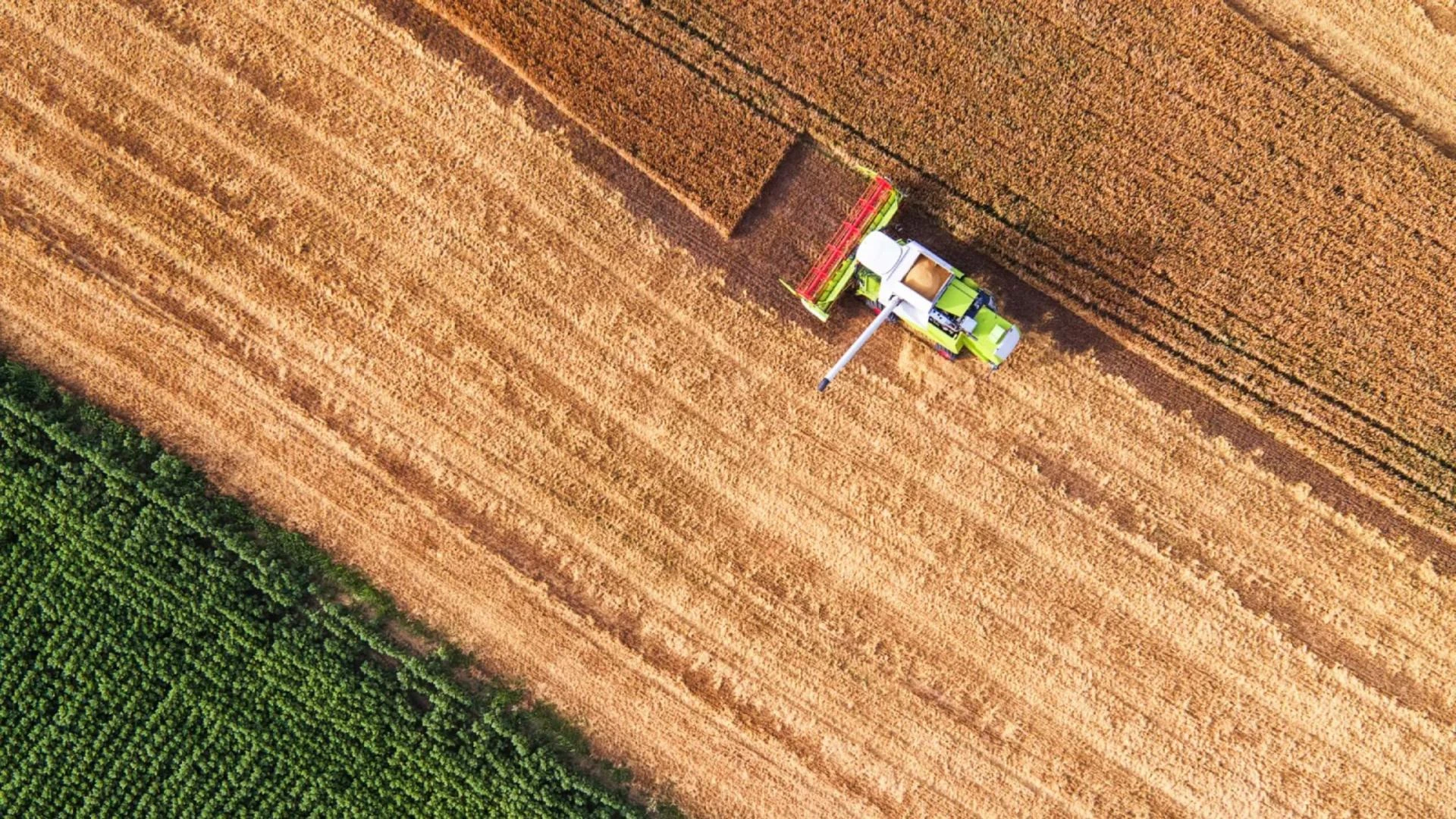

Managing soil and water properly is very important on construction sites. Erosion control in Warner Robins, GA, helps stop soil from washing away, keeps dirt out of streams, and keeps the project running smoothly. Good erosion control protects the land around the site and makes the construction safer. Understanding how it works can save time, money, and prevent problems. Implementing proper measures also shows responsibility and helps avoid fines from local authorities.
Check the Site for Risk Areas
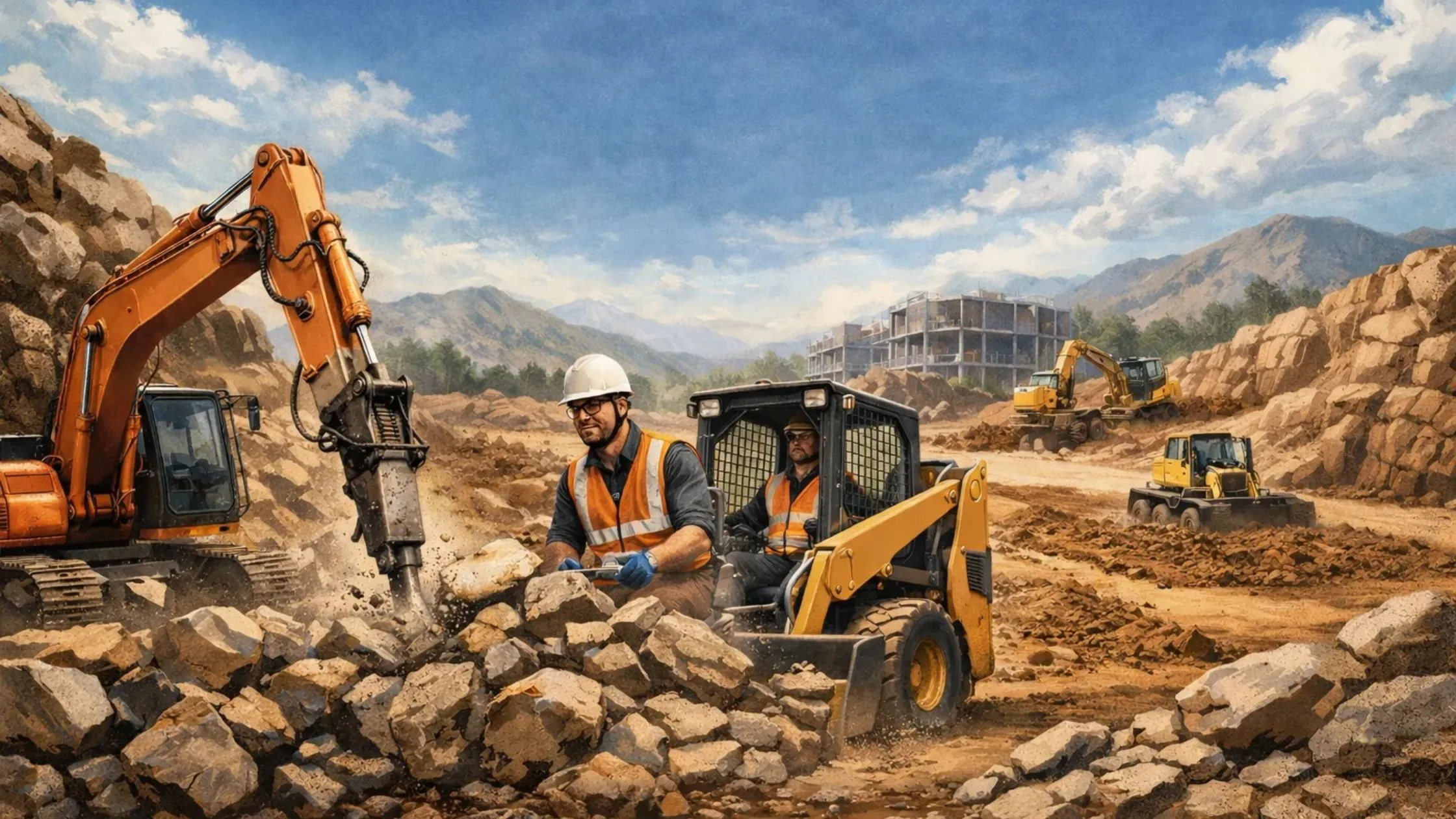
Before starting work, contractors look at slopes, soil type, and where water might flow. They find spots where soil could wash away or become unstable. By checking the site carefully, they can place erosion control in the right places and avoid delays or damage later. Some areas may have loose soil, steep inclines, or natural channels where water gathers. Identifying these early allows contractors to plan barriers, drains, and soil stabilization methods before construction begins.
Put Up Barriers to Stop Soil Movement
Barriers like silt fences, straw rolls, and sediment traps slow down water and catch soil before it moves off the site. These barriers protect both the construction area and the land around it. Proper placement of barriers keeps soil where it belongs and stops pollution. In many cases, barriers are adjusted as the project progresses to cover new exposed areas. Using multiple barriers across slopes or near water channels creates extra protection and ensures that even heavy runoff does not carry sediment away.
Keep Soil Covered
Exposed soil can wash away or blow away easily. Covering it with mulch, mats, or temporary grass seeds holds it in place. Covered soil makes the site safer for workers, reduces dust, and lowers cleanup work. It also helps prevent long-term damage to the land. On large construction areas, contractors may use biodegradable mats or blankets that protect soil until permanent landscaping or pavement is installed. Covering soil also keeps nutrients in place, preventing them from being lost in runoff.
Guide Water Properly
Water can cause erosion if it runs uncontrolled. Contractors build channels, small walls, and temporary drains to move water safely. Guiding water keeps soil in place, protects slopes and foundations, and stops trenches from collapsing during work. On sloped sites, creating temporary swales or berms slows water flow and reduces pressure on soil. These measures help prevent landslides or sediment from entering nearby waterways, maintaining both site safety and environmental protection.
Check the Site Regularly
Looking over the site often makes sure everything is working. Contractors check barriers, soil, and water flow. If they see a problem, they fix it right away. Regular checks stop small issues from turning into big problems that could slow down the project. Frequent monitoring also helps crews adjust erosion control measures as construction changes the site layout. Early detection of soil movement or damaged barriers prevents costly repairs and keeps the project on schedule.
Use Skilled Teams
Erosion control works best when teams know what to do. Experienced workers understand soil, water flow, and where barriers are needed. Skilled crews can adjust quickly and keep the site protected through every stage of construction. Teams also coordinate with project managers to plan erosion control alongside other construction activities, ensuring that protection measures do not interfere with machinery, digging, or foundation work. This teamwork reduces mistakes and keeps the construction site organized.
Combine Methods for Better Protection
Some sites need more than one solution. Contractors often use barriers, soil covers, and water guides together. Using many methods makes erosion control stronger, protects the environment, and keeps the construction running smoothly. For example, a slope may have silt fences at the bottom, mulch on exposed soil, and a temporary drainage channel to redirect water. Combining methods addresses multiple risks at once, making erosion control more effective and reliable.
Follow Local Rules
Many areas have rules to protect rivers and land. Contractors use erosion control measures that follow the rules. This prevents fines or delays and shows that the construction site is managed responsibly. Regulatory compliance often includes maintaining records of erosion control measures, inspections, and corrective actions. Proper documentation demonstrates due diligence and ensures that the project meets legal requirements while protecting surrounding areas.
Final Note:
Using erosion control in Johnson County, GA, protects soil, prevents pollution, and keeps the site safe. Checking the site, using barriers, covering soil, guiding water, and using trained teams all work together to reduce environmental impact. Proper erosion management not only keeps construction running smoothly but also preserves the surrounding land for future use.
If you want your construction project to be safe, run smoothly, and avoid problems, hire professional erosion control services today. Effective erosion control ensures stable soil, safe working conditions, and a cleaner, more efficient construction site.



















Sign in to leave a comment.