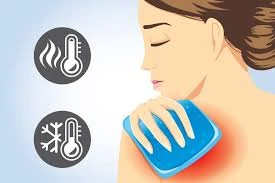

Heat and cold therapy have been used for centuries to alleviate pain, reduce inflammation, and speed up recovery. These natural, non-invasive treatments are accessible, affordable, and effective for a wide range of conditions. Whether you're an athlete recovering from an intense workout, someone dealing with chronic pain, or simply looking for ways to manage everyday aches, heat and cold therapy can be transformative. In this comprehensive guide, we’ll explore the science behind these therapies, their benefits, how to use them correctly, and when to choose one over the other.
Understanding Heat and Cold Therapy
Heat and cold therapy are two sides of the same coin, each offering unique benefits for pain relief and recovery. While heat therapy works by increasing blood flow and relaxing muscles, cold therapy reduces blood flow to decrease inflammation and numb pain. Understanding how each therapy works will help you make informed decisions about which one to use for your specific needs.
The Science Behind Heat Therapy
Heat therapy, also known as thermotherapy, involves applying warmth to the body to soothe and relax muscles, improve circulation, and promote healing. When you apply heat to an area, the blood vessels dilate, allowing more oxygen and nutrients to reach the affected tissues. This process helps reduce stiffness, ease muscle spasms, and alleviate pain.
Types of Heat Therapy
- Dry Heat: This includes heating pads, heat wraps, and saunas. Dry heat is easy to apply and ideal for targeting specific areas.
- Moist Heat: This includes warm towels, steamed cloths, and hot baths. Moist heat penetrates deeper into the tissues, making it more effective for relieving deep muscle pain.
Benefits of Heat Therapy
- Relieves muscle stiffness and joint pain
- Improves flexibility and range of motion
- Reduces stress and promotes relaxation
- Enhances blood flow to injured areas
- Accelerates the healing process for chronic conditions like arthritis
When to Use Heat Therapy
- For chronic pain or stiffness
- Before physical activity to warm up muscles
- To relax tight muscles or relieve stress
- For conditions like osteoarthritis or fibromyalgia
The Science Behind Cold Therapy
Cold therapy, also known as cryotherapy, involves applying cold to the body to reduce inflammation, numb pain, and slow down nerve activity. When you apply cold to an area, the blood vessels constrict, reducing blood flow and preventing swelling. This process also numbs the nerves, providing immediate pain relief.
Types of Cold Therapy
- Ice Packs: The most common form of cold therapy, ideal for localized pain relief.
- Cold Baths or Showers: Effective for full-body recovery, especially after intense workouts.
- Cold Compression Wraps: Combine cold therapy with compression to reduce swelling and pain.
Benefits of Cold Therapy
- Reduces inflammation and swelling
- Numbs acute pain
- Slows down nerve activity to prevent pain signals
- Speeds up recovery after injuries or surgeries
- Helps manage conditions like gout or tendonitis
When to Use Cold Therapy
- For acute injuries like sprains, strains, or bruises
- Immediately after intense physical activity
- To reduce swelling or inflammation
- For headaches or migraines
Heat vs. Cold Therapy: Which Should You Choose?
Choosing between heat and cold therapy depends on the type of pain or injury you’re dealing with. Here’s a quick guide to help you decide:
- Use Heat Therapy For:
- Chronic pain or stiffness
- Muscle spasms or tension
- Arthritis or joint pain
- Pre-workout warm-ups
- Use Cold Therapy For:
- Acute injuries like sprains or strains
- Swelling or inflammation
- Post-workout recovery
- Headaches or migraines
In some cases, alternating between heat and cold therapy (contrast therapy) can provide the best of both worlds. For example, athletes often use contrast therapy to reduce muscle soreness and improve recovery.
How to Use Heat and Cold Therapy Safely
While heat and cold therapy are generally safe, improper use can lead to burns, frostbite, or other complications. Follow these tips to use these therapies safely and effectively:
Tips for Using Heat Therapy
- Use a moderate temperature to avoid burns.
- Limit sessions to 15-20 minutes at a time.
- Place a cloth or towel between the heat source and your skin.
- Avoid using heat therapy on open wounds or swollen areas.
Tips for Using Cold Therapy
- Never apply ice directly to the skin; use a cloth or towel as a barrier.
- Limit sessions to 10-15 minutes to prevent frostbite.
- Allow your skin to return to normal temperature before reapplying cold.
- Avoid using cold therapy if you have circulatory issues or numbness.
Combining Heat and Cold Therapy for Maximum Benefits
Alternating between heat and cold therapy, also known as contrast therapy, can be highly effective for certain conditions. This method works by stimulating blood flow with heat and reducing inflammation with cold. Here’s how to do it:
- Apply heat for 3-4 minutes to increase blood flow.
- Switch to cold for 1-2 minutes to reduce inflammation.
- Repeat the cycle for 15-20 minutes.
Contrast therapy is particularly beneficial for:
- Reducing muscle soreness after exercise
- Speeding up recovery from injuries
- Improving circulation in areas with chronic pain
Real-Life Applications of Heat and Cold Therapy
Heat and cold therapy can be used in various situations to manage pain and promote recovery. Here are some real-life examples:
For Athletes
- Use cold therapy immediately after a workout to reduce muscle soreness.
- Apply heat therapy before stretching or exercising to improve flexibility.
For Chronic Pain Sufferers
- Use heat therapy daily to manage conditions like arthritis or fibromyalgia.
- Apply cold therapy during flare-ups to reduce inflammation.
For Everyday Aches and Pains
- Use a heating pad for back pain or menstrual cramps.
- Apply an ice pack for headaches or minor injuries.
DIY Heat and Cold Therapy Solutions
You don’t need expensive equipment to enjoy the benefits of heat and cold therapy. Here are some simple DIY solutions:
DIY Heat Therapy
- Fill a sock with rice and microwave it for 1-2 minutes to create a heating pad.
- Soak a towel in warm water, wring it out, and apply it to the affected area.
DIY Cold Therapy
- Freeze a damp sponge in a plastic bag for a reusable ice pack.
- Use a bag of frozen peas or corn as a quick cold compress.
When to Seek Professional Help
While heat and cold therapy can be effective for many conditions, they’re not a substitute for professional medical treatment. Seek help if:
- Your pain persists or worsens after several days of therapy.
- You experience severe swelling, redness, or numbness.
- You have an underlying medical condition that affects circulation or sensation.
Conclusion: Transform Your Pain Management with Heat and Cold Therapy
Heat and cold therapy are powerful tools for managing pain, reducing inflammation, and promoting recovery. By understanding how each therapy works and when to use it, you can take control of your pain management and improve your quality of life. Whether you’re dealing with chronic pain, recovering from an injury, or simply looking for ways to stay active and healthy, heat and cold therapy can be transformative. Start incorporating these natural treatments into your routine today and experience the difference for yourself!

























Sign in to leave a comment.