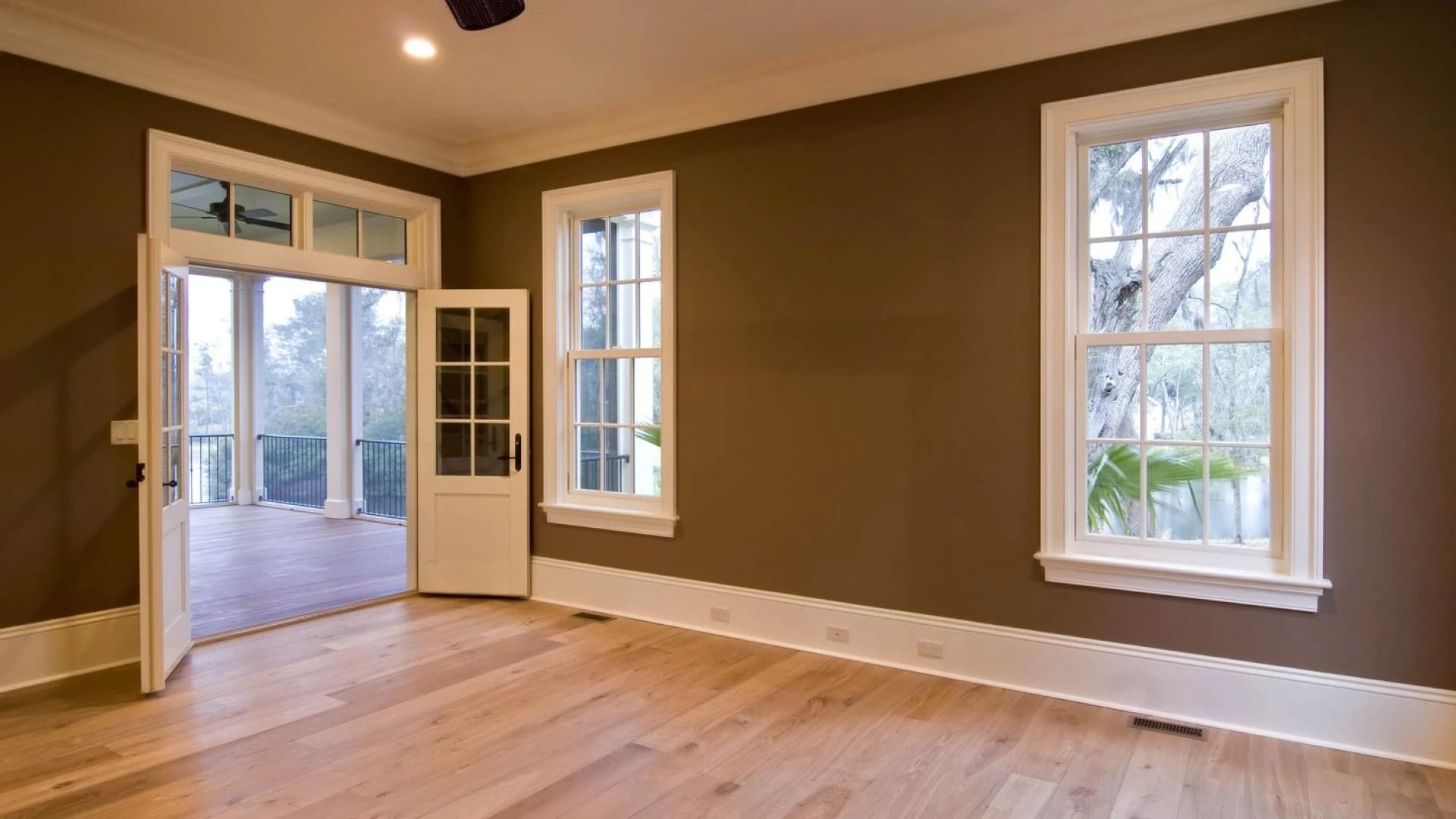

Energy efficiency isn't just about environmental consciousness—it's also about saving money on utility bills and ensuring comfort within your home. Before diving into the installation process, it's crucial to understand the significance of selecting energy-efficient windows and doors. This guide will walk you through the essential steps to assess their efficiency before installation, ensuring that you make informed decisions for your home.
Assessing Energy Efficiency
What factors contribute to energy efficiency? Energy efficiency in windows and doors is determined by various factors, including insulation, glazing, and framing materials. These components work together to minimize heat transfer, keeping your home comfortable year-round.
Understanding U-factor and R-value U-factor measures the rate of heat loss through a material, while R-value indicates its insulating capability. Lower U-factor and higher R-value signify better insulation, crucial for energy-efficient windows and doors.
Importance of solar heat gain coefficient Solar heat gain coefficient (SHGC) measures the amount of solar radiation entering through a window or door. Opt for lower SHGC values in warmer climates to minimize heat gain and reduce reliance on cooling systems.
Window Efficiency Ratings
Overview of ENERGY STAR ratings ENERGY STAR ratings certify products that meet strict energy efficiency guidelines set by the Environmental Protection Agency (EPA). Look for the ENERGY STAR label when choosing windows, ensuring optimal performance and savings.
How to interpret NFRC labels The National Fenestration Rating Council (NFRC) provides standardized labels detailing a window's energy performance. Pay attention to metrics like U-factor, SHGC, and air leakage rating to assess overall efficiency accurately.
Door Efficiency Ratings
Similar to windows, doors are also rated for energy efficiency. While the metrics may differ slightly, the concept remains the same—choose products with lower U-factor and higher insulating values for enhanced efficiency.
Conducting a Visual Inspection
Identifying signs of air leaks and drafts Inspect windows and doors for gaps, cracks, or deteriorated seals that could allow air leakage. Even minor issues can significantly impact energy efficiency and indoor comfort.
Checking for proper installation Ensure windows and doors are installed correctly, with tight seals and adequate insulation around frames. Poor installation compromises efficiency and can lead to costly energy losses.
DIY Tests for Efficiency
Simple tests for insulation and air leakage Performing DIY tests can help identify areas of improvement. Use a candle or incense to detect drafts around windows and doors, indicating potential leaks that require sealing.
Using a candle or incense for drafts Hold a lit candle or incense near windows and doors on a windy day. Watch for flickering flames or smoke movement, indicating air leaks that need attention.
Professional Energy Audits
Benefits of hiring a professional auditor Professional energy audits provide a comprehensive assessment of your home's energy performance. Trained auditors use specialized equipment to identify areas of inefficiency and recommend tailored solutions for improvement.
What to expect during an audit During an energy audit, expect thorough inspections of windows, doors, insulation, and HVAC systems. The auditor will analyze energy bills, perform blower door tests, and provide detailed reports outlining potential upgrades and their cost-effectiveness.
Considering Climate Factors
Adapting choices based on climate zones Climate plays a significant role in determining the most suitable window and door characteristics for your home. Consider factors like temperature fluctuations, humidity levels, and prevailing winds when making your selection.
Selecting appropriate glazing types Different glazing types offer varying levels of insulation and solar control. Consult local climate data to choose windows and doors with glazing options optimized for your region's climate conditions.
Material Selection
Comparing materials for windows and doors Various materials, including wood, vinyl, fiberglass, and aluminum, are used in window and door construction. Each material has its unique properties, affecting energy efficiency, durability, and maintenance requirements.
Pros and cons of wood, vinyl, fiberglass, and aluminum Wooden frames offer excellent insulation but require regular maintenance, while vinyl frames are low-maintenance but may lack durability in extreme weather conditions. Fiberglass and aluminum frames strike a balance between insulation and durability, ideal for diverse climates.
Cost Considerations
Balancing initial investment with long-term savings While energy-efficient windows and doors may entail higher upfront costs, they offer significant long-term savings through reduced energy bills and enhanced comfort. Consider the return on investment and potential energy savings when making purchasing decisions.
Conclusion
Assessing the energy efficiency of windows and doors before installation is essential for maximizing comfort, minimizing energy consumption, and reducing utility expenses. By understanding key factors, ratings, and conducting thorough evaluations, homeowners can make informed choices that benefit both their budget and the environment.
FAQs
How do energy-efficient windows and doors contribute to cost savings? Energy-efficient windows and doors minimize heat transfer, reducing reliance on heating and cooling systems and lowering energy bills over time.
Can I retrofit existing windows and doors for improved energy efficiency? Yes, certain upgrades such as weatherstripping, caulking, and adding storm panels can enhance the energy performance of existing windows and doors.
What role does proper installation play in energy efficiency? Proper installation ensures tight seals and adequate insulation, preventing air leakage and optimizing the performance of energy-efficient windows and doors.
Are there incentives or rebates available for installing energy-efficient windows and doors? Many utility companies and government agencies offer incentives or rebates for upgrading to energy-efficient products, helping offset the initial investment.


























Sign in to leave a comment.