

Melasma is a common skin condition characterized by dark patches on the face, typically caused by excessive melanin production. While it is not harmful, it can be distressing due to its impact on one’s appearance. Melasma can be triggered or worsened by factors such as sun exposure, hormonal changes, and genetic predisposition. If you already have melasma, preventing it from worsening is crucial. In this article, we will discuss effective strategies to manage melasma treatment in Islamabad and keep it from becoming more severe.
1. Sun Protection: The Most Important Step
Sun exposure is one of the primary triggers of melasma. Protecting your skin from ultraviolet (UV) radiation can significantly prevent melasma from worsening.
- Use Sunscreen Daily – Apply a broad-spectrum sunscreen with SPF 50 or higher every day, even when indoors or on cloudy days.
- Reapply Sunscreen – Sunscreen should be reapplied every two hours, especially if you are outdoors.
- Wear Protective Clothing – Use wide-brimmed hats, sunglasses, and clothing with UV protection to shield your skin from the sun.
- Seek Shade – Avoid direct sun exposure, especially during peak hours (10 AM to 4 PM).
2. Use Gentle Skincare Products
Harsh skincare products can irritate the skin, leading to increased pigmentation and worsening melasma.
- Avoid Harsh Exfoliants – Over-exfoliation can cause inflammation, making melasma more pronounced.
- Choose Fragrance-Free Products – Fragrances and alcohol-based skincare can trigger irritation and worsen pigmentation.
- Opt for Hypoallergenic and Non-Comedogenic Products – These are gentle on the skin and reduce the risk of irritation.
- Use Brightening Agents – Ingredients like Vitamin C, niacinamide, and licorice extract can help lighten melasma without causing irritation.
3. Manage Hormonal Changes
Hormonal fluctuations are a key factor in melasma, particularly in women. Managing hormones can help in preventing worsening pigmentation.
- Consult Your Doctor – If you are on birth control pills and notice worsening melasma, discuss alternative options with your doctor.
- Monitor Pregnancy-Induced Melasma – Many women develop melasma during pregnancy (chloasma). Proper skincare and sun protection can help control it.
- Consider Hormone Therapy Alternatives – If you are undergoing hormone replacement therapy, consult your physician about safer options for your skin.
4. Adopt a Consistent Skincare Routine
A regular skincare routine tailored for melasma-prone skin can help prevent further darkening.
- Cleanse Twice Daily – Use a mild cleanser to remove dirt and excess oil without stripping your skin.
- Moisturize – Hydrated skin heals better and is less prone to irritation.
- Apply Antioxidants – Vitamin C, Vitamin E, and ferulic acid help protect the skin from free radicals and UV damage.
- Use a Night Cream – Ingredients like retinoids and kojic acid can help lighten pigmentation over time.
5. Avoid Heat and Blue Light Exposure
Heat and blue light from electronic devices can stimulate melanin production and worsen melasma.
- Limit Excessive Heat Exposure – Saunas, hot showers, and excessive sweating can trigger pigmentation.
- Use Blue Light Protection – Wear a tinted sunscreen that protects against HEV (high-energy visible) light from screens.
- Reduce Screen Time – Use blue light filters on your phone and computer to minimize skin exposure.
6. Follow a Healthy Diet for Skin Health
What you eat affects your skin health and can contribute to melasma worsening.
- Eat Antioxidant-Rich Foods – Fruits and vegetables high in Vitamin C, E, and beta-carotene help protect against oxidative stress.
- Consume Omega-3 Fatty Acids – Found in fish, flaxseeds, and walnuts, these help reduce inflammation.
- Stay Hydrated – Drinking enough water keeps your skin healthy and promotes natural healing.
- Avoid High Glycemic Foods – Sugar and processed carbohydrates can cause inflammation, making melasma worse.
7. Use Prescription Treatments as Recommended
Dermatologists may prescribe treatments to control melasma and prevent it from worsening.
- Hydroquinone – A common skin-lightening agent that helps reduce pigmentation.
- Retinoids – Stimulate skin cell turnover and help fade dark patches.
- Azelaic Acid & Kojic Acid – Alternative lightening agents with fewer side effects.
- Tranexamic Acid – Helps reduce pigmentation by inhibiting melanin production.
8. Consider Professional Treatments
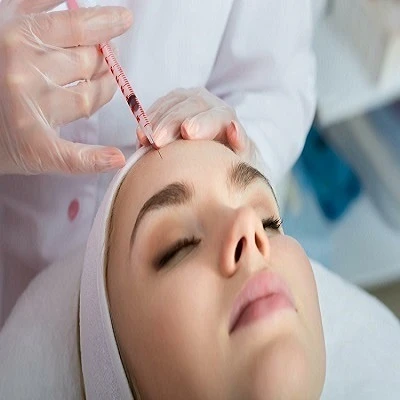
If melasma worsens despite home care, professional treatments can help manage the condition.
- Chemical Peels – Help exfoliate the skin and lighten dark patches.
- Laser Therapy – Fractional and Q-switched lasers can break down excess melanin, but must be performed by an expert.
- Microneedling with PRP – Stimulates collagen production and helps improve skin texture.
- Intense Pulsed Light (IPL) – Can help fade pigmentation but must be used cautiously to avoid worsening melasma.
9. Manage Stress and Sleep Well
Stress and lack of sleep can trigger inflammation and worsen melasma.
- Practice Stress Management Techniques – Meditation, yoga, and exercise can help reduce stress-related pigmentation.
- Get 7-9 Hours of Sleep – Rest is essential for skin repair and overall health.
- Avoid Overworking Your Skin – Overuse of skincare treatments can cause irritation and darken melasma patches.
Conclusion
Melasma is a chronic condition that requires consistent management. While it may not be completely curable, taking proactive steps can prevent it from worsening. The most crucial measures include daily sun protection, a proper skincare routine, hormonal balance, a healthy diet, and professional treatments when necessary. If you are struggling with worsening melasma, consult a dermatologist to develop a customized plan that suits your skin type. With patience and the right approach, you can effectively control melasma and maintain healthy, even-toned skin.






























Sign in to leave a comment.