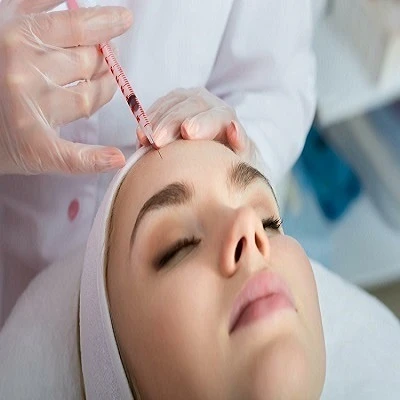

Botox has become one of the most sought-after non-surgical cosmetic treatments worldwide, offering a reliable way to reduce dynamic wrinkles and fine lines. While the procedure is quick and relatively simple, it is not a one-size-fits-all treatment. A personalized approach is essential to ensure safety, effectiveness, and aesthetic satisfaction. That is why a professional consultation is considered a necessary first step for anyone planning to receive Botox in Islamabad. A consultation is more than just a formality—it is a critical part of the treatment process that helps set realistic expectations and minimizes risks.
Why Is a Botox Consultation Important?
Every person’s facial anatomy, muscle structure, skin type, and cosmetic goals are unique. A pre-treatment consultation allows the medical practitioner to carefully assess your individual case and determine the most appropriate course of action. Here's why a consultation matters:
- Personalized Treatment Plan: Botox must be tailored to your facial muscle movement and target areas. A consultation ensures that your treatment is planned precisely for your needs.
- Medical History Review: Your provider will review your medical history, allergies, medications, and any previous cosmetic procedures to rule out contraindications.
- Expectation Management: You’ll be guided on what Botox can and cannot achieve, helping you form realistic expectations of the outcomes.
- Safety Assurance: A thorough consultation ensures that any risk factors are identified and mitigated before proceeding with the injections.
Skipping this crucial step can result in poor outcomes, unsatisfactory results, or even complications that could have been avoided.
What Happens During a Botox Consultation?
A Botox consultation typically involves the following key components:
1. Facial Analysis
The practitioner will assess your facial expressions, muscle activity, and areas where lines and wrinkles are most prominent. This helps in determining the number of Botox units required and the exact injection sites.
For instance, someone with deep frown lines between the eyebrows might need a different dosage than someone seeking to reduce crow’s feet. This in-depth assessment ensures that the treatment aligns with your facial dynamics and yields natural-looking results.
2. Discussion of Goals
You’ll be asked about your concerns and what you hope to achieve with Botox. Are you looking for subtle enhancement or more dramatic rejuvenation? Are you trying to smooth forehead lines or prevent future wrinkles?
Discussing your goals allows the practitioner to recommend a treatment plan that matches your desired outcomes. It also ensures that both you and your provider are on the same page before proceeding.
3. Review of Medical History
A responsible injector will take the time to ask about any relevant health conditions, allergies, or medications. For example, individuals who are pregnant, breastfeeding, or have certain neuromuscular disorders may not be good candidates for Botox.
The consultation also covers medications such as blood thinners or supplements that could increase the risk of bruising or bleeding.
4. Explaining the Procedure
The practitioner will explain how Botox works, what to expect during the injection process, and the typical timeline for results. You’ll learn about post-treatment care, potential side effects, and when to return for a follow-up, if needed.
This educational component of the consultation builds trust and empowers you to make informed decisions.
5. Cost Estimate and Treatment Planning
Based on your needs, the injector will estimate how many units of Botox are required and provide a breakdown of costs. Some patients prefer to treat one area initially, while others may opt for full-face rejuvenation.
You’ll also discuss the frequency of maintenance sessions, as Botox results typically last 3 to 4 months.
Who Should Conduct the Consultation?
It is essential that your Botox consultation is conducted by a qualified medical professional—ideally a board-certified dermatologist, plastic surgeon, or trained aesthetic physician. They have the knowledge and clinical experience to assess your suitability for treatment and minimize the risk of complications.
Avoid clinics or practitioners who do not offer a consultation or rush through the process without thorough discussion. This could be a red flag for unprofessional or unsafe practices.
Can You Have the Consultation and Treatment on the Same Day?
In many cases, yes. If no medical concerns arise and the patient feels comfortable proceeding, Botox can often be administered immediately following the consultation. However, this depends on the clinic's protocol and your readiness to proceed.
Some patients may prefer to schedule the treatment for a later date after considering the information provided during the consultation.
What Questions Should You Ask During the Consultation?
Being prepared with questions can help you gain clarity and confidence in your treatment decision. Here are a few to consider:
- Am I a good candidate for Botox?
- How many units will I need for my desired results?
- What are the possible side effects or risks?
- How soon will I see results, and how long will they last?
- What should I avoid before and after the procedure?
- How experienced are you with Botox injections?
An open, transparent discussion with your provider sets the stage for a successful and satisfying experience.
Red Flags to Watch For
If you encounter any of the following during your consultation, it may be a sign to seek another provider:
- Lack of interest in discussing your medical history or goals
- No explanation of the procedure, risks, or aftercare
- Pressure to commit to the treatment immediately
- No mention of how many units or which areas will be treated
- Vague or unclear pricing
A reputable practitioner will prioritize your safety, education, and comfort throughout the consultation process.
The Long-Term Value of a Consultation
Establishing a relationship with your injector during the consultation not only improves your immediate treatment outcome but also enhances long-term results. Over time, your provider will become familiar with how your facial muscles respond to Botox, allowing for fine-tuned adjustments in future sessions.
Regular follow-up and feedback help in achieving consistently natural and refreshed appearances.
Conclusion
A consultation before receiving Botox is not just recommended—it is essential. It ensures that the treatment is tailored to your individual facial structure, goals, and medical profile. Skipping this important step can lead to disappointing results or avoidable complications. For those planning to undergo Botox in a safe and professional environment, the SKN Cosmetics clinic offers personalized consultations led by qualified specialists who prioritize patient care, safety, and long-term satisfaction.



























Sign in to leave a comment.