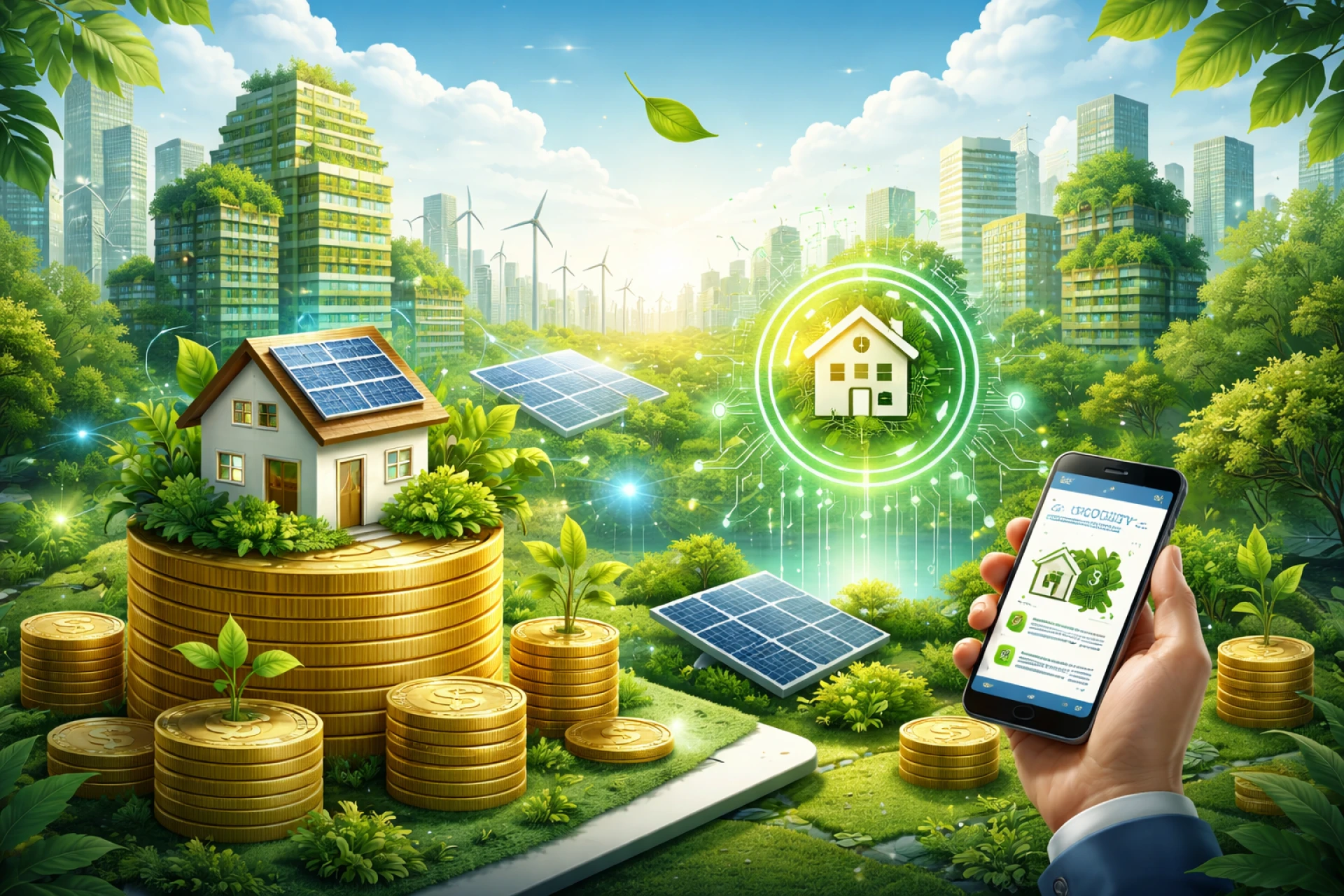

Sustainability has become a key consideration in almost every sector, and real estate is no exception. As concerns over climate change and resource depletion continue to grow, investors, developers, and governments are increasingly focusing on green buildings and sustainable real estate practices. The traditional real estate industry, while vast and profitable, has long been associated with high energy consumption, significant waste, and environmental degradation. However, in recent years, tokenized real estate platforms have emerged as powerful tools that can drive sustainable property investments and support the transition to greener buildings.
Tokenization—where real estate ownership is converted into digital tokens on a blockchain—offers numerous benefits, from fractional ownership and liquidity to transparency and efficiency. But beyond these advantages, tokenized real estate platforms can also play a crucial role in supporting and promoting sustainable and green property investments. By leveraging blockchain technology and smart contracts, these platforms can incentivize eco-friendly development, improve transparency in sustainability metrics, and make green property investments more accessible to a broader range of investors.
In this blog, we will explore how tokenized real estate platforms can support sustainable and green property investments and help build a more sustainable future.
What is Tokenized Real Estate?
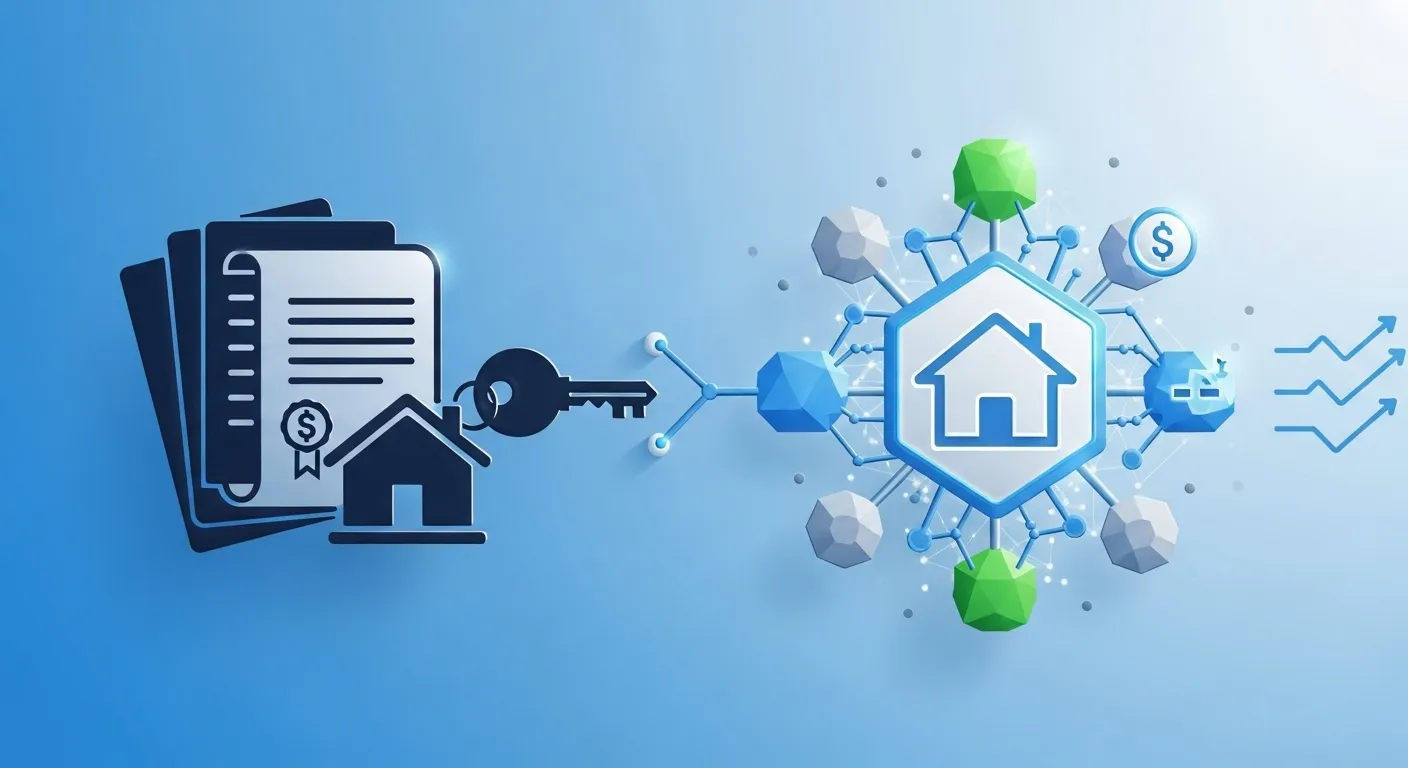
Tokenized real estate refers to the process of converting physical real estate assets into digital tokens on a blockchain. These tokens represent a fractional share of the property and can be traded or owned by multiple investors. Tokenization allows investors to gain exposure to real estate markets without needing large capital investments, making it accessible to retail investors.
Tokenized properties can range from residential buildings and commercial office spaces to industrial facilities and even land. The key advantages of tokenized real estate include liquidity, fractional ownership, reduced transaction costs, and increased transparency.
However, beyond these financial and operational benefits, real estate tokenization can be used to foster investments in sustainable and green real estate projects, helping to drive positive environmental outcomes in the industry.
How Can Tokenized Real Estate Platforms Promote Sustainable Investments?
1. Incentivizing Green Building Practices Through Tokenization
Tokenized real estate platforms can serve as an effective mechanism to incentivize green building practices. Green buildings, which are designed to be environmentally friendly, energy-efficient, and resource-conscious, are gaining popularity among both developers and investors. These buildings often include features like energy-efficient appliances, sustainable construction materials, renewable energy sources (e.g., solar panels), water conservation systems, and smart technology to optimize energy use.
By tokenizing green buildings, developers and investors can signal a commitment to sustainability. Tokenization can offer a pathway for green certification (e.g., LEED or BREEAM) to become a key feature of property listings. Properties that meet sustainability standards can have an extra layer of value represented in the tokens themselves, making them more attractive to investors who prioritize eco-friendly investments.
2. Transparent Sustainability Metrics on the Blockchain
One of the major barriers to investing in green properties has been the lack of transparency in sustainability metrics. While many green buildings claim to be energy-efficient, it can be difficult for investors to assess the actual environmental performance of a property.
Tokenized real estate platforms, leveraging blockchain technology, can store and present real-time data on a property’s sustainability. For example, data on energy consumption, water usage, carbon emissions, and waste management can be stored on a blockchain, providing transparency and verifiable proof of a building’s environmental impact. This data can then be easily accessed by investors, allowing them to make informed decisions based on verified sustainability metrics.
By making sustainability data publicly available and tamper-proof, blockchain increases trust and accountability, giving investors confidence that the property they are investing in truly adheres to green standards.
3. Enabling Green Financing through Tokenization
Tokenized real estate platforms can also support green financing mechanisms by allowing developers to raise funds specifically for eco-friendly projects. By offering tokenized shares in green properties, developers can attract investors who are specifically interested in sustainable projects. Tokenized properties can also include green bonds or green asset-backed tokens, which are tied to sustainable real estate developments.
Green financing is a rapidly growing market, and tokenized platforms can make it easier for developers to access the capital they need to build green projects. Investors, in turn, can gain exposure to a range of sustainable properties without the need for large, up-front investments.
Additionally, tokenized real estate platforms can be used to reward investors for supporting green projects. For instance, a property platform could distribute dividends or profits based on the energy savings or carbon credits generated by the building’s sustainable features.
4. Fractional Ownership of Green Real Estate
Tokenization allows for fractional ownership, which means that multiple investors can pool their resources to invest in a single property. This fractionalization makes green real estate more accessible to retail investors, who might otherwise be excluded from high-value, environmentally sustainable properties due to the large capital requirements.
For example, rather than needing millions of dollars to buy a sustainable commercial building or a green residential complex, retail investors can invest smaller amounts in fractional shares. This opens up opportunities for individuals who are passionate about sustainability to support eco-friendly projects, diversify their portfolios, and gain access to previously inaccessible green investments.
5. Tracking Carbon Footprints and Environmental Impact
Tokenized platforms can also track and incentivize sustainability efforts by linking carbon footprint data directly to the ownership and trading of property tokens. For example, tokens representing environmentally friendly buildings could be associated with carbon offset credits, allowing investors to support projects that help mitigate climate change.
Using smart contracts, carbon offset programs can be automatically triggered when certain environmental goals are met. For instance, when a building reaches a certain level of energy efficiency, the smart contract could reward token holders with additional tokens or carbon credits. This incentivizes developers and investors to make more sustainable choices, such as reducing energy consumption or investing in renewable energy sources.
6. Governance Models for Green Property Decisions
Tokenized real estate platforms can also implement decentralized governance models, where token holders have a say in the decision-making process of the property’s management. This can include voting on environmental initiatives or green building improvements.
For example, token holders could vote on whether to install solar panels, upgrade insulation, or switch to energy-efficient lighting. This governance structure empowers investors to make decisions that align with their values, ensuring that the property management team prioritizes sustainable practices and eco-friendly upgrades.
This level of governance ensures that sustainability remains a central theme in the development and management of tokenized real estate, making green initiatives a core part of the investment process.
7. Facilitating the Creation of Eco-friendly Real Estate Funds
Real estate tokenization platforms can also facilitate the creation of green real estate investment funds. These funds can pool capital from a diverse range of investors to focus specifically on sustainable, green properties. Tokenized shares in the fund can then be offered to investors, providing them with access to a diversified portfolio of environmentally responsible real estate assets.
Such funds could focus on properties that are energy-efficient, use renewable energy, incorporate green building materials, or provide affordable housing that meets high environmental standards. By pooling resources, these funds allow smaller investors to support the broader green real estate movement while benefiting from the financial returns of sustainable properties.
The Challenges and Risks
While tokenized real estate platforms can promote sustainable investments, several challenges remain:
- Regulatory Uncertainty: The legal frameworks for tokenized assets and green financing mechanisms are still evolving. Clear regulations will be needed to ensure that green claims are verifiable and that tax incentives for sustainable projects are well-defined.
- Initial Capital Investment: Building green buildings can still be expensive, and tokenization may not fully eliminate the capital requirements for large-scale sustainable projects. While fractional ownership lowers the barrier to entry for investors, developers may still face challenges in securing initial funding.
- Sustainability Verification: While blockchain can provide transparency, it’s essential that green building certifications and environmental data are properly verified. Third-party auditors and certification bodies will play a critical role in ensuring that tokenized properties are genuinely sustainable.
Conclusion: Tokenized Real Estate and a Sustainable Future
Tokenized real estate platforms are poised to revolutionize the way we invest in sustainable and green properties. By offering fractional ownership, transparent sustainability metrics, and streamlined green financing options, tokenization makes it easier for both investors and developers to support eco-friendly real estate projects.
With the potential to track and reward sustainability efforts, promote green governance, and provide accessible investment opportunities in environmentally responsible properties, tokenized real estate platforms could be the key to unlocking a new era of sustainable property investment. As the world continues to focus on climate change and sustainability, tokenized real estate will play an essential role in transitioning to a greener future.
By aligning financial incentives with environmental goals, tokenization is not just transforming real estate investment—it’s contributing to the global effort to build a more sustainable world.






















Sign in to leave a comment.