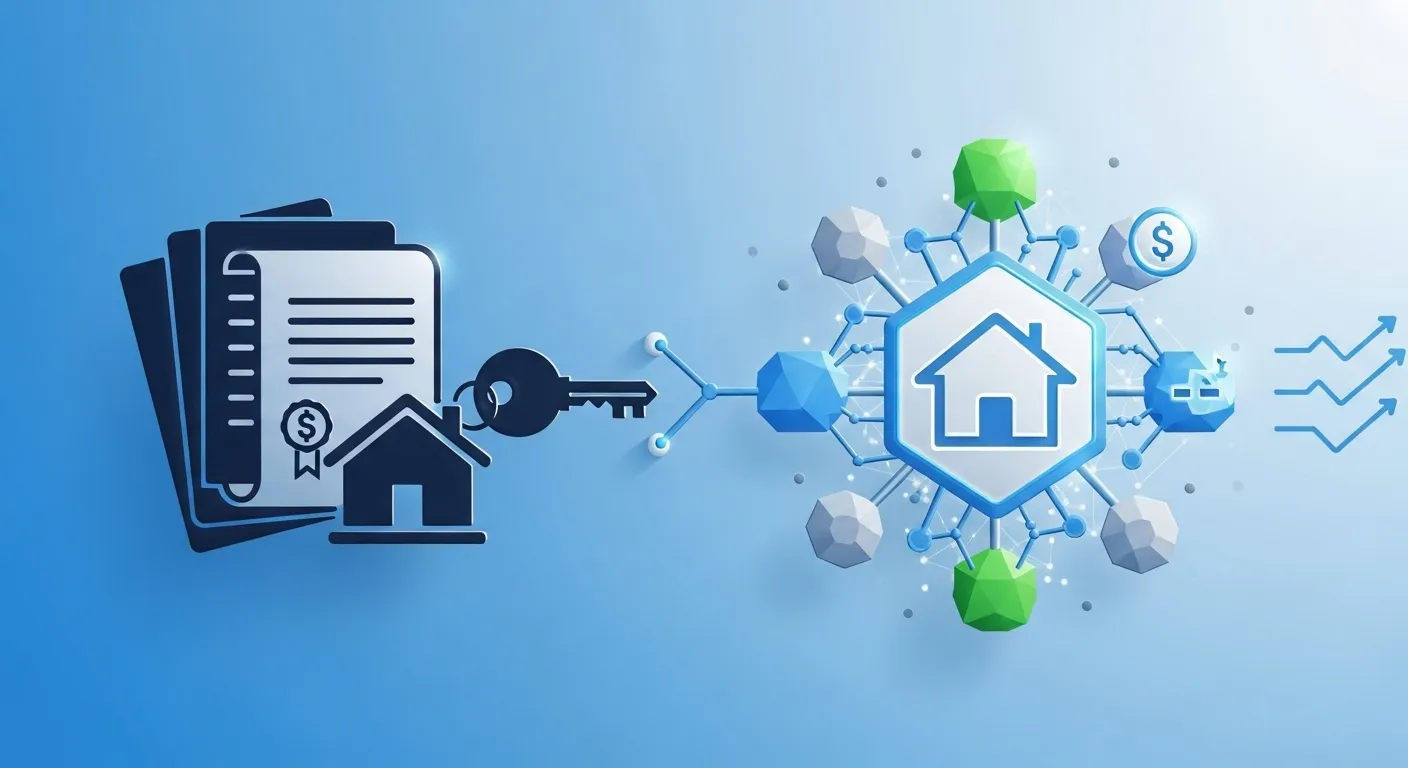

Property transactions have always involved layers of paperwork, intermediaries, and long waiting periods. From title verification to payment settlements, each step requires coordination among multiple parties. This complexity often leads to delays, higher costs, and limited access for smaller investors. In recent years, Real Estate Tokenization has started changing how property ownership and transfers are handled. By converting physical assets into digital tokens on a blockchain, the process becomes more structured and easier to manage.
Real estate tokenization development is not just a technical upgrade. It redefines how ownership is recorded, transferred, and divided. Investors, property owners, and service providers are now looking at this approach as a practical way to simplify transactions and reduce friction in the market.
Understanding Real Estate Tokenization
Real Estate Tokenization refers to the process of representing ownership rights of a property as digital tokens on a blockchain. Each token represents a portion of the asset, allowing fractional ownership. Instead of buying an entire property, investors can purchase smaller shares, similar to buying stocks.
A Real Estate Tokenization company typically handles the conversion of physical assets into digital tokens. This includes legal structuring, compliance checks, and technical deployment. These tokens can then be traded or transferred on a digital platform, making property transactions more accessible and efficient.
Traditional Property Transactions and Their Challenges
Before looking at the benefits, it is important to understand the issues in traditional real estate transactions.
Lengthy Documentation
Property deals involve multiple documents such as title deeds, sale agreements, and registration forms. Verifying these documents takes time and often requires legal assistance.
Multiple Intermediaries
Agents, brokers, banks, and legal advisors all play roles in property transactions. Each intermediary adds cost and increases the time required to complete a deal.
Limited Liquidity
Real estate is not easy to sell quickly. Finding a buyer, negotiating terms, and completing paperwork can take months.
High Entry Barriers
Buying property requires significant capital. This prevents many individuals from participating in real estate investment.
These challenges highlight the need for a more efficient approach, which is where real estate asset tokenization becomes relevant.
How Real Estate Tokenization Development Simplifies Transactions
Digital Ownership Records
One of the main advantages of real estate tokenization development is the use of blockchain for recording ownership. Instead of relying on physical documents, ownership details are stored digitally. This reduces the chances of errors, fraud, or duplication.
When a transaction occurs, the ownership record updates automatically. This eliminates the need for repeated verification by different parties.
Faster Transactions
Traditional property deals can take weeks or even months. With Real Estate Tokenization Platform Development, transactions can be completed much faster. Once both parties agree, the transfer of tokens happens almost instantly on the blockchain.
This reduces waiting time and helps investors act quickly in a dynamic market.
Reduced Dependence on Intermediaries
A Real Estate Tokenization Development company often integrates smart contracts into the system. These are self-executing agreements that handle tasks such as payment release and ownership transfer.
By automating these steps, the need for intermediaries is reduced. This not only lowers costs but also minimizes delays caused by manual processes.
Fractional Ownership Opportunities
Real estate asset tokenization allows properties to be divided into smaller units. Investors can buy a fraction of a property instead of the entire asset.
This approach opens the market to a wider audience. Individuals who previously could not afford real estate can now participate with smaller investments.
Improved Liquidity
Tokens representing property can be traded on digital platforms. This makes it easier for investors to buy or sell their holdings without waiting for a full property sale.
Real Estate Tokenization Services often include secondary marketplaces where these tokens can be exchanged. This improves liquidity and gives investors more flexibility.
Simplified Cross-Border Transactions
Buying property in another country usually involves complex regulations and currency conversions. With Real Estate Tokenization, transactions can be handled digitally, reducing the complexity of cross-border deals.
Investors can access global properties without dealing with multiple local processes.
Role of Technology in Simplification
Blockchain Integration
Blockchain acts as the foundation for real estate tokenization development. It records every transaction in a secure and immutable manner. This ensures that ownership data remains accurate and cannot be altered without consensus.
Smart Contracts
Smart contracts automate processes such as payments, compliance checks, and ownership transfers. Once conditions are met, the contract executes automatically.
This reduces manual intervention and speeds up the transaction cycle.
Digital Wallets
Investors use digital wallets to store and manage their tokens. These wallets provide easy access to holdings and transaction history.
Token Standards
Standardized tokens make it easier to trade and manage assets across different platforms. A Real Estate Tokenization Development Services provider ensures that tokens follow accepted standards for compatibility.
Business Benefits of Real Estate Tokenization
Lower Transaction Costs
By reducing the number of intermediaries, transaction costs decrease significantly. Legal fees, brokerage charges, and administrative expenses are minimized.
Broader Investor Base
Fractional ownership attracts more investors. This increases demand for properties and provides property owners with better opportunities to raise capital.
Efficient Asset Management
Digital records make it easier to manage property portfolios. Owners can track ownership distribution, transaction history, and investor details in one place.
Faster Capital Raising
Property developers can raise funds by issuing tokens instead of relying solely on traditional financing methods. This speeds up project initiation and completion.
Real Estate Tokenization Services in Practice
A Real Estate Tokenization company typically offers a range of services to support property digitization.
Asset Evaluation
The property is assessed to determine its value and suitability for tokenization.
Legal Structuring
Legal frameworks are established to ensure compliance with regulations. This includes defining ownership rights and investor protections.
Token Creation
Digital tokens are created based on the property value. These tokens represent shares of the asset.
Platform Deployment
A digital platform is developed for managing and trading tokens. This is part of Real Estate Tokenization Platform Development.
Ongoing Management
After tokenization, the platform continues to manage transactions, investor records, and compliance requirements.
Use Cases of Real Estate Tokenization
Residential Properties
Individual homes and apartments can be tokenized, allowing multiple investors to share ownership.
Commercial Real Estate
Office buildings, shopping centers, and warehouses can be divided into tokens, making them accessible to smaller investors.
Rental Income Distribution
Token holders can receive a share of rental income based on their ownership percentage. Smart contracts handle the distribution automatically.
Real Estate Funds
Investment firms can create tokenized real estate funds, allowing investors to diversify across multiple properties.
Challenges and Considerations
While real estate tokenization development offers many advantages, there are still challenges to address.
Regulatory Uncertainty
Different countries have varying regulations regarding digital assets. A Real Estate Tokenization Development company must ensure compliance with local laws.
Market Awareness
Many investors are still unfamiliar with tokenized real estate. Education and awareness are needed for wider adoption.
Technology Adoption
Implementing blockchain and smart contracts requires technical expertise. Businesses need reliable partners for development and maintenance.
Security Concerns
Although blockchain is secure, digital platforms can still be targeted by cyber threats. Proper security measures must be in place.
Future Outlook
The adoption of Real Estate Tokenization is expected to grow as more businesses and investors recognize its benefits. As regulations become clearer and technology improves, the process will become more widely accepted.
Real Estate Tokenization Development Services will likely focus on improving user experience, expanding market access, and integrating with existing financial systems.
Developers, investors, and service providers will continue to experiment with new models, such as tokenized mortgages and real estate-backed digital assets.
Conclusion
Real estate tokenization development is changing how property transactions are handled. By replacing manual processes with digital systems, it reduces delays, lowers costs, and opens the market to a broader audience. From faster transactions to fractional ownership, the benefits are practical and measurable.
A Real Estate Tokenization company plays a vital role in bringing this concept to life, offering services that cover legal, technical, and operational aspects. As more properties move toward digital representation, real estate asset tokenization will become a common approach in the industry.
While challenges remain, the direction is clear. Property transactions are becoming more efficient, accessible, and adaptable through Real Estate Tokenization Platform Development. Businesses and investors who understand this shift early will be better positioned to take advantage of the opportunities it offers.


























Sign in to leave a comment.