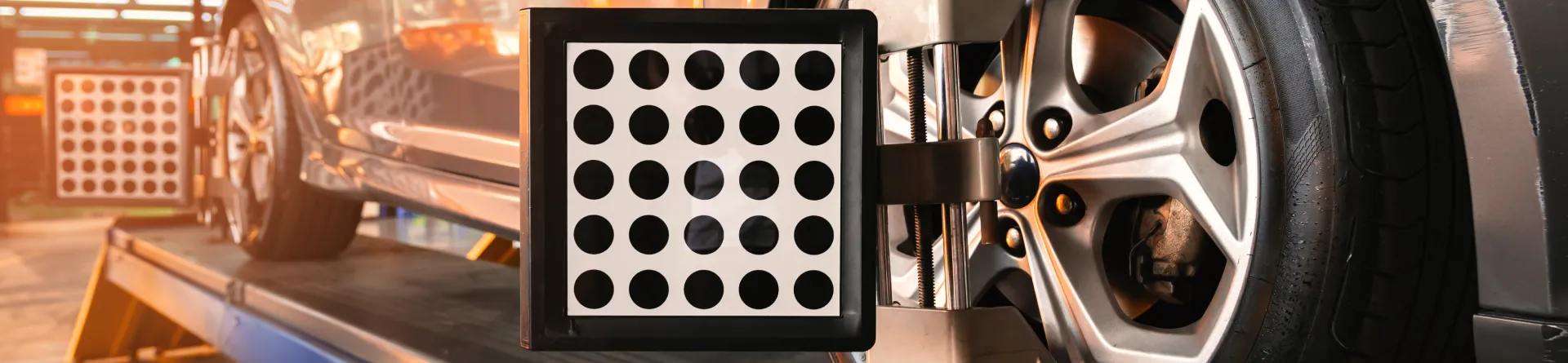

Wheel alignment issues can directly threaten your safety on winter roads. In Michigan, where freezing temperatures, heavy snowfall, and black ice are part of the season, a vehicle with misaligned wheels becomes a serious risk. Poor alignment reduces tire traction, slows your stopping distance, and makes steering unpredictable, all at the worst possible time.
If your car has been pulling to one side or the steering wheel sits crooked when you are driving straight, do not wait until spring. Getting wheel alignment services in Portage, MI, before winter sets in is one of the smartest moves you can make.
What Does Wheel Misalignment Actually Mean?
Wheel alignment refers to the angles at which your tires sit against the road. Manufacturers set precise specifications for three main angles — camber, caster, and toe. When any of these fall out of spec, your wheels are misaligned.
This does not happen overnight. Misalignment builds up over time. Hitting a pothole, clipping a curb, or driving on Michigan's rough roads can knock your wheels out of position. Once they are off, the problems tend to snowball.
Why Michigan Winters Make It Worse?
Winter in Michigan does not play around. Southwest Michigan cities like Portage see heavy lake-effect snow, slick black ice, and road conditions that change hour by hour.
A well-aligned vehicle responds predictably to steering input. A misaligned one does not. Here is why winter exposure amplifies every alignment problem:
- Reduced road grip: Misaligned tires do not sit flat on the road. On packed snow or ice, even a slight tilt cuts your traction significantly.
- Slower brake response: When tires are not making full contact with the surface, your stopping distance increases. On icy roads, every extra foot matters.
- Unpredictable steering pull: Cold temperatures make a vehicle's pull to one side worse. A slight pull in summer can become a sharp drift on an icy highway.
- Interference with safety systems: Anti-lock brakes and traction control are designed to work with properly aligned wheels. Misalignment weakens their effectiveness.
Uneven Tire Wear: A Hidden Winter Danger
Misaligned wheels chew through tires unevenly. You might not notice it with a glance, but one edge of your tire may be wearing far faster than the other. This creates bald patches that are terrible for winter driving. Tires need tread depth to channel snow and slush away from the contact patch. Worn or uneven tread cannot do this job.
The result is reduced grip, increased hydroplaning risk, and a tire more likely to fail under stress. Visiting an auto wheel alignment shop in Portage, MI, before winter can catch this wear pattern early and save you from a dangerous situation, and from buying new tires sooner than expected.
Your Transmission Needs Attention Too
Winter driving stress is not limited to tires and steering. The increased load from driving through snow and slush puts added strain on your drivetrain — including your transmission. If you have noticed hesitation when shifting, slipping gears, or a puddle forming under your parked car, these are signs your transmission needs professional attention.
Auto transmission fluid leak repair in Portage, MI, is especially important before winter. Low or leaking fluid leaves your transmission vulnerable to heat and friction, which spells expensive trouble. Similarly, auto transmission repair should not be put off once shifting problems appear. Transmission issues left untreated tend to get worse quickly, and winter conditions only speed up the damage. Shops offering car transmission repair services can inspect fluid levels, check for leaks, and ensure your transmission is ready to handle the demands of winter driving.
Signs Your Alignment Needs a Check Before Winter
Watch for these warning signs before the first snowfall hits:
- The vehicle pulls to the left or right without steering input
- The steering wheel is off-center when driving on a straight road
- You notice unusual or uneven wear on one or more tires
- The vehicle feels unstable or drifts during highway driving
- You hear a vibration through the steering wheel at highway speeds
Any one of these signals is reason enough to schedule an alignment check. Do not wait for two or three to appear.
How to Protect Yourself This Winter Season?
A few proactive steps can make a big difference before the snow flies:
- Schedule a wheel alignment check at a trusted local shop before winter begins.
- Inspect your tires for uneven wear and adequate tread depth.
- Have your transmission fluid checked to prevent leaks or failures in cold weather.
- Avoid aggressive driving over potholes and curbs, which can knock alignment out of spec mid-season.
- Come back for a post-winter check-in, since cold weather and rough roads can shift alignment over the course of the season.
Final Thoughts
Michigan winters are tough enough without a vehicle working against you. Wheel misalignment quietly erodes your safety margin, reducing traction, distorting your steering response, and accelerating tire wear. The good news is, it is entirely fixable before the season gets dangerous.
A pre-winter alignment check is a small investment compared to the cost of an accident, a new set of tires, or a tow truck call on a frozen road. Pair it with a transmission inspection and fluid check, and your vehicle will be ready to handle whatever southwest Michigan's winter throws at it.


























Sign in to leave a comment.