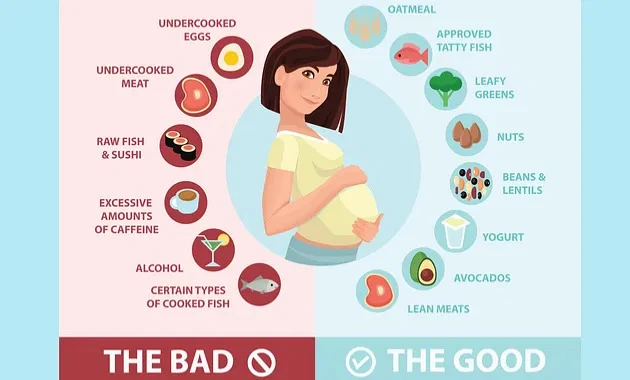
Pregnancy is a special time in your life, and what you eat during pregnancy plays a big role in keeping you and your baby healthy. Your body needs more nutrients than usual to support your baby’s growth and to keep up your own strength and energy.
But don’t worry, eating right doesn’t have to be complicated. Let’s discuss how you can ensure proper nutrition during pregnancy in a simple and easy way.
1. Eat a Balanced Diet Every Day
Make sure your meals include all the major food groups:
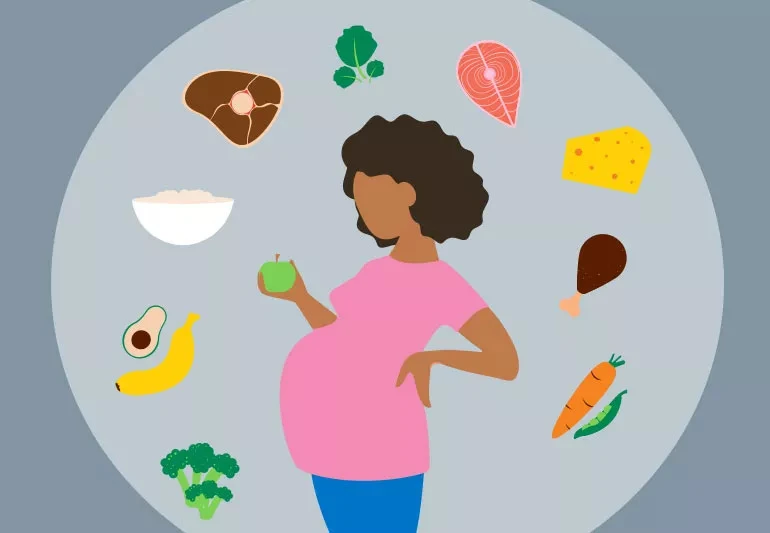
· Fruits and vegetables – rich in vitamins, minerals, and fiber
· Whole grains – like brown rice, oats, or whole wheat bread for energy
· Proteins – such as eggs, beans, lentils, chicken, or fish
· Dairy – like milk, yogurt, and cheese for calcium and vitamin D
· Healthy fats – from nuts, seeds, and cooking oils like olive oil
Eating a mix of these foods daily helps you meet your nutritional needs during pregnancy.
2. Don’t Skip Meals
When you’re pregnant, your body works harder. Skipping meals can make you feel tired, dizzy, or sick. Try eating three main meals a day, along with two healthy snacks in between, this keeps your energy steady and supports your baby’s growth.
3. Focus on Foods Rich in Key Nutrients
Some nutrients are especially important to eat during pregnancy:
· Folic Acid – helps prevent birth defects (found in leafy greens, lentils, citrus fruits)
· Iron – supports blood flow (found in beans, spinach, meat)
· Calcium – for strong bones and teeth (found in milk, yogurt, cheese)
· Protein – helps your baby grow (found in eggs, pulses, meat)
· Omega-3 – supports brain development (found in fish, walnuts, flaxseeds)
You can get these nutrients from natural foods or prenatal vitamins, as advised by your doctor.
4. Stay Hydrated
Drinking enough water is just as important as eating well. Water helps carry nutrients to your baby and prevents common pregnancy issues like constipation, swelling, and headaches.
Tip: Aim for 8–10 glasses of water a day. You can also have coconut water, fresh fruit juice, or homemade soups.
5. Watch Your Portion Sizes
Eating for two doesn’t mean doubling your meals. Instead, focus on eating nutrient-rich foods. In the later stages of pregnancy, you may need a little more food, but quality is more important than quantity.
6. Limit Junk Food and Processed Items
It’s okay to enjoy your cravings now and then, but try to limit packaged snacks, soft drinks, and fast food. These usually offer empty calories and don’t give your body the nutrients it needs.
7. Take Prenatal Vitamins (If Advised)
Your doctor may recommend supplements like folic acid, iron, or calcium if you’re not getting enough through food. These are safe and help fill any nutritional gaps.
Final Thoughts!
The best way to ensure proper nutrition during pregnancy is to listen to your body, eat a variety of whole foods, and stay hydrated. What you eat during pregnancy affects not only your health but also your baby’s development and long-term well-being.
Small changes in your daily meals can make a big difference. If you’re ever unsure, consult your doctor or a registered dietitian for personalized advice. Hustling Naari always recommend taking professional opinion on the firsthand.



























Sign in to leave a comment.