

Selling Old Fitzgerald Bourbon is not simply a matter of finding an old bottle and placing a number on it. A buyer needs to know exactly which bottling is being offered and why it may interest collectors. Release identity, bottle details, condition, ownership history, and present demand can all shape an offer. For an owner, the best starting point is simple: provide enough clear information for a buyer to understand the bottle before discussing its potential value. This approach can also help prevent confusion caused by comparing one bottle with another that only looks similar.
The Label May Hold the First Big Clue
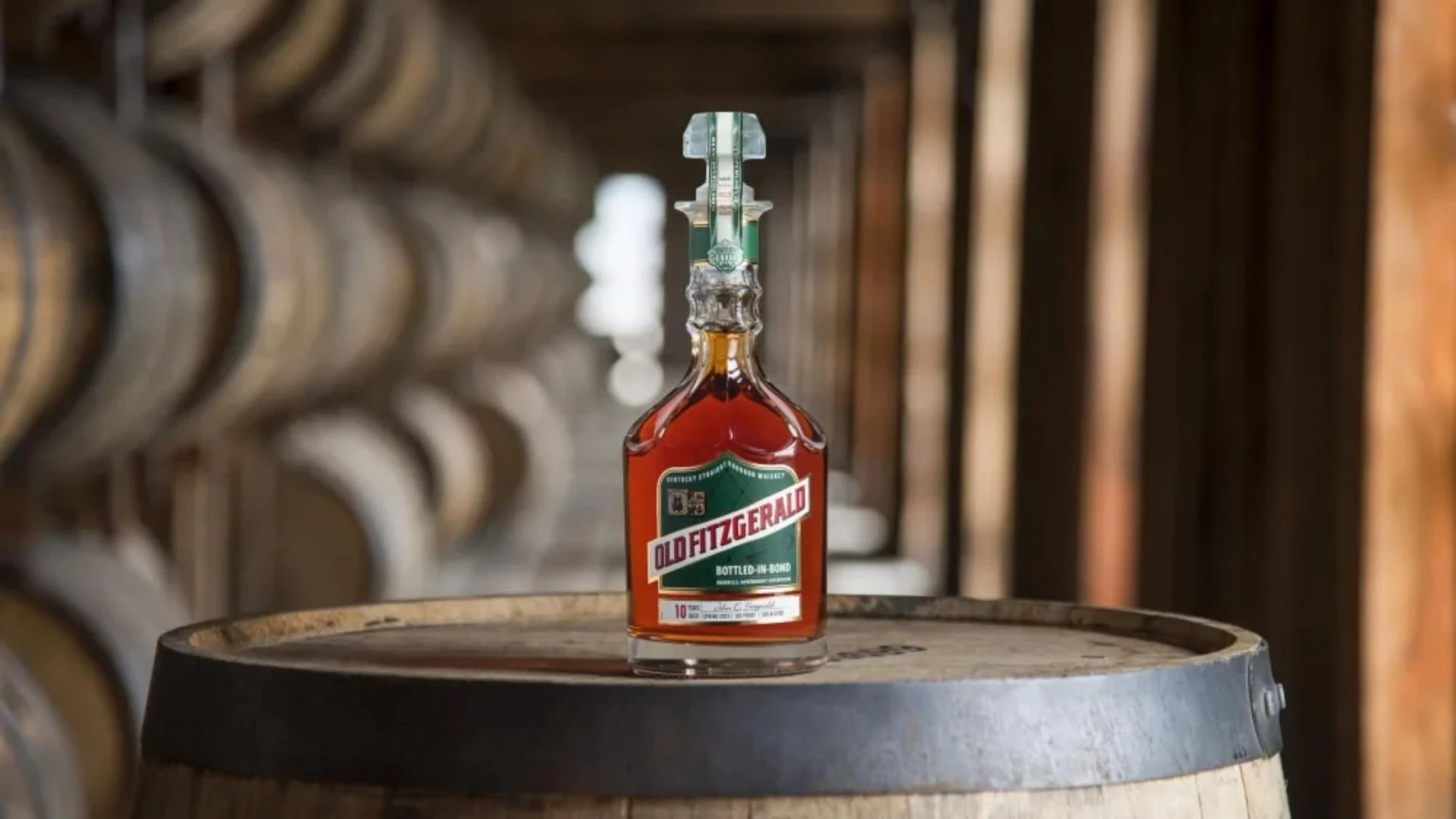
An Old Fitzgerald bottle can contain useful information in places that are easy to ignore. Read the front label, back label, neck label, and any small printed details. Note the proof, bottle size, wording, tax markings, and other visible features. These details may help show the period and type of bottling you have. A clear photo of each label can also help a buyer review the bottle before seeing it in person.
These details can help separate one bottling from another. A similar-looking bottle may belong to a different production period. That difference can change collector interest, so accurate identification should come before any price discussion. A seller who provides clear bottle information gives the buyer a much better starting point for an offer.
Think Release, Not Just Age
Saying a bottle is several decades old does not fully explain its position among collectors. The release itself can be more useful. Older bourbon was produced across different periods, and packaging, proof statements, bottle shapes, and label designs can change. Some releases are easier to find than others. Some have stronger interest because they represent a specific part of bourbon history.
A buyer therefore needs to identify the actual release rather than judge the bottle from its age alone. This can help explain why two bottles from the same decade may have very different levels of interest. The exact release gives the evaluation more meaning.
Why Collector Interest Is So Specific
Collectors do not always seek every bottle from a particular label. Interest can focus on a certain release, production period, bottle style, proof, or historical connection. This creates an important difference between being old and being collectible. A bottle may have significant age but limited demand. Another may attract stronger attention because collectors actively seek that exact version.
A useful offer reflects the bottle's identity and the level of interest attached to it. This is why a simple statement such as “old bourbon” does not provide enough information for a proper review. The details help show what makes the bottle different.
Look Beyond the Front Label
The front label is only one part of the review. The back label, bottle base, closure, seal, and fill level can also provide helpful clues. A clear view of the bottle base may help identify its production details. The closure can show whether the bottle remains sealed. The fill level can provide information about its present condition.
These small details give a buyer a fuller picture and can prevent confusion between similar releases. Take photographs from several angles rather than relying on one picture. Clear images can save time and help the buyer ask more useful questions.
The Bottle's Current State Matters
An unopened bottle should remain unopened during the initial review. Opening it can change its status and may affect its appeal to collectors. Check for leakage, label damage, stains, loose closures, cracks, or unusual changes in the fill level. Do not clean away marks or replace old parts before seeking an evaluation. Original features can be useful for identification.
A buyer needs to see the bottle as it exists, not after changes have been made for presentation. Keeping the original state intact helps preserve useful evidence about the bottle.
Give the Buyer Information They Can Use
Clear photographs can make the first review much easier. Photograph the full bottle, front label, back label, seal, bottle top, base, and fill level. Use clear light so the printed details can be read. Write down the bottle size, proof, known history, and any visible damage. If there are several bottles, keep each set of photos and notes separate.
Good information reduces guesswork and helps a buyer focus on the actual bottle. It also makes the first conversation more useful for both sides.
Final Say:
A useful offer should not feel like a random number. The buyer should be able to explain the main factors considered during the review. That may include the exact release, condition, supply, collector demand, and other bottle-specific details. A seller can then decide based on a clearer understanding of the offer instead of comparing it with an unrelated price. Understanding the reason behind an offer can make the selling process easier. It gives the owner a chance to ask sensible questions about the bottle and its potential value. If you own an Old Fitzgerald bottle, you do not need to set a selling price before asking for an evaluation.
Gather the bottle details, keep the original packaging and seal intact, provide clear photographs, and share any useful history. A buyer who purchases bourbon directly from individuals can review those details and explain the next step. If you want to sell your bourbon, request a bottle-specific evaluation and find out what makes your Old Fitzgerald bottle interesting to today's buyers.



























Sign in to leave a comment.