A water heater rarely stops working without giving clues first. The challenge is that most warning signs are easy to overlook because hot water is still available. Small changes in heating speed, water flow, or system performance often begin weeks before a breakdown. Homeowners who schedule water heater repair in Stafford, VA, during this early stage usually avoid larger repair bills and unexpected water damage. Knowing these hidden signs helps you act before a small concern becomes an emergency. Paying attention to these early changes also gives a technician more time to repair the problem before important parts become damaged.
Your Water Heater May Be Working Longer Than It Should
Most homeowners check whether hot water is available. Very few notice how long the system takes to produce it. If showers, sinks, or appliances need extra time before hot water arrives, the heater may be losing efficiency. Heating elements, burners, or mineral buildup inside the tank can slowly reduce performance. The system still works, but it must run longer to do the same job. This is often one of the earliest signs professionals notice during an inspection. Fixing the problem early can help the unit return to normal performance and reduce unnecessary strain on important components.
The Tank Can Show Signs Before Water Starts Leaking
A leaking water heater does not always begin with water on the floor. Small rust marks, moisture around pipe connections, or stains near the bottom of the tank may appear first. These early changes often point to worn fittings, loose valves, or internal corrosion that has not yet caused a visible leak. Repairing these small issues early can help prevent expensive flooring repairs later. A quick inspection also helps confirm whether the problem is a simple repair or a sign that another part needs attention before a larger leak develops.
Hot Water Should Feel Consistent, Not Unpredictable
Many homeowners notice hot water changing from warm to cold during a shower and assume someone else is using water. If this happens regularly, the water heater may be struggling to maintain a steady heating cycle. Internal components may no longer operate correctly, causing uneven water temperature even during normal household use. A professional inspection helps identify the source before complete heating failure occurs. Keeping the heating process steady also helps improve comfort during daily activities like bathing, washing dishes, and doing laundry.
Your Water Heater Can Warn You Through Its Energy Use
Monthly utility bills often reveal changes that homeowners cannot see. If energy costs increase without major changes in household usage, the water heater may be using more power or fuel than necessary. Sediment buildup, worn heating parts, or restricted operation can force the system to work harder every day. Finding the cause early often improves efficiency and reduces unnecessary operating costs. It also helps prevent small performance problems from placing extra stress on the entire system over time.
Small Changes Around Hot Water Fixtures Matter
Many people inspect only the water heater itself. The first warning sometimes appears at the faucet instead. Slower hot water flow, tiny particles, or short bursts of discolored water may indicate mineral buildup or corrosion inside the system. These changes provide valuable clues that help technicians diagnose developing problems before serious damage occurs. Paying attention to these small details can help homeowners avoid larger plumbing and water heater repairs later.
Age Is Not the Best Way to Judge a Water Heater
Many homeowners replace a water heater simply because it reaches a certain age. Professional technicians look at performance instead. A well-maintained unit may continue working reliably, while a newer system with poor maintenance may already need repairs. Regular inspections provide a clearer picture than age alone and help homeowners make better repair or replacement decisions. This approach allows families to invest in repairs only when needed and replace the unit only if it is truly the best option.
Professional Inspections Find Problems That Stay Hidden
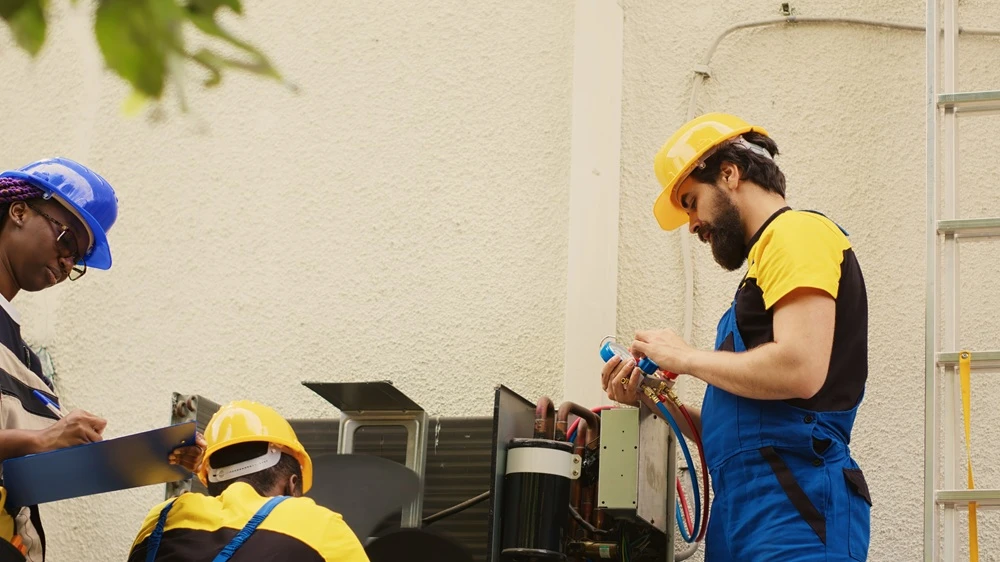
Many important water heater parts remain out of sight. Technicians inspect pressure relief valves, heating components, electrical or gas connections, thermostat operation, sediment levels, and overall system performance. These checks help identify small issues before they lead to water damage or complete equipment failure. Early service often costs far less than emergency repairs. Professional inspections also help confirm that every part of the system is working safely and providing reliable hot water throughout the home.
In Closing:
Most water heater emergencies begin with small warning signs that homeowners do not recognize. Longer heating times, changing water temperature, early rust marks, rising energy bills, and changes at hot water fixtures often point to developing problems. Taking action during this stage helps protect your home, improve system performance, and reduce repair costs. If inspection shows the unit has reached the end of its service life, professional water heater installation in Stafford, VA, provides a reliable solution that supports your home's daily hot water needs while improving long-term performance and dependability.
Do not wait until your water heater fails without warning. Schedule a professional inspection today and let an experienced technician identify small problems before they become expensive emergencies. Early repairs can help protect your home, improve performance, reduce future repair costs, and keep your hot water available every day with greater confidence.


























Sign in to leave a comment.