
Introduction
In pharmaceutical and industrial manufacturing, cleanliness isn't just a best practice — it's a regulatory requirement. One system that sits at the heart of this hygiene framework is CIP water treatment, or Clean-in-Place water treatment. It allows facilities to clean internal surfaces of tanks, pipelines, and processing equipment without dismantling them. The result? Faster turnaround, lower labor costs, and consistent sanitation that meets global compliance standards.
But understanding how to choose, implement, and optimize a CIP system requires more than a basic overview. Let's break it down.
What Is CIP Water Treatment?
CIP water treatment refers to the automated process of circulating cleaning solutions — such as caustic soda, acid rinse, and purified water — through processing equipment at controlled temperatures and flow rates. This method effectively removes biofilm, chemical residues, and microbial contamination without manual intervention.
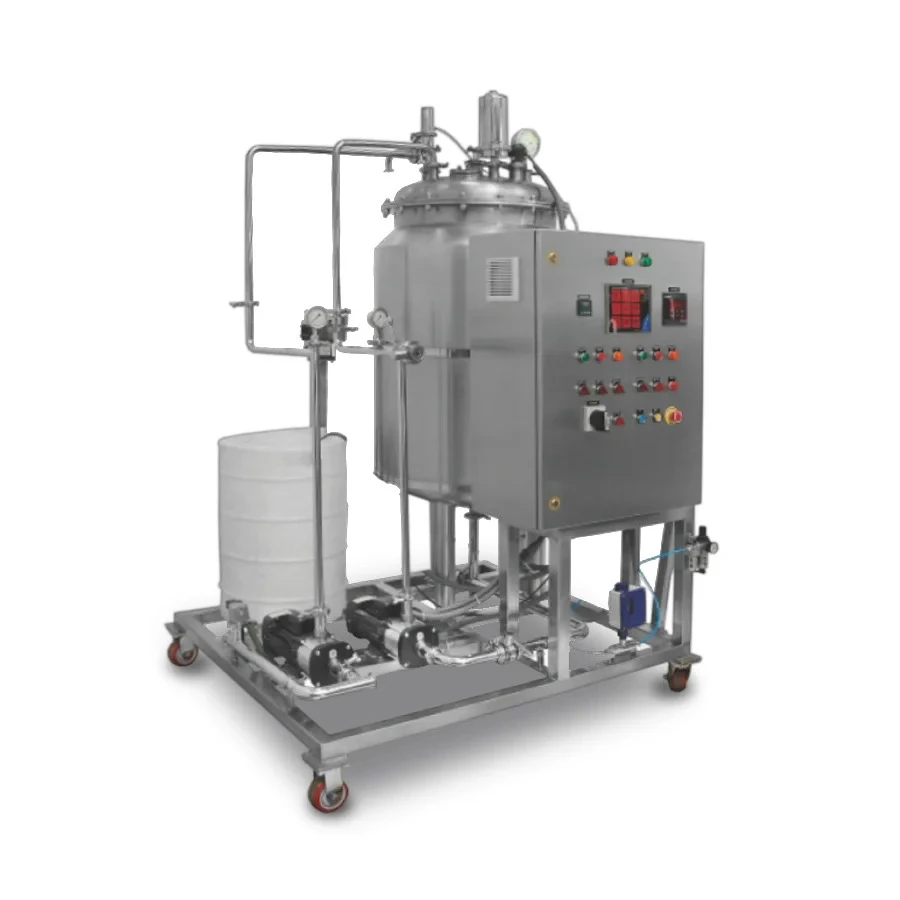
A well-designed CIP system water treatment setup typically includes a skid-mounted unit with holding tanks for cleaning agents, a pump assembly, heat exchangers, and programmable logic controllers (PLCs) that automate each wash cycle. The automation ensures repeatability — meaning every clean is as effective as the last, which is critical for batch documentation and quality assurance.
CIP and SIP in Pharma: Why Both Matter
In the pharmaceutical industry, CIP rarely works alone. CIP and SIP in pharma — Clean-in-Place and Steam-in-Place — are often deployed together to achieve both chemical and thermal sterilization. While CIP removes contaminants using liquid cleaning agents, SIP uses pressurized steam to sterilize equipment surfaces at high temperatures, eliminating even the most heat-resistant organisms.
Together, these systems form the backbone of GMP (Good Manufacturing Practice) compliance. Regulatory bodies like the FDA and EMA require documented evidence that equipment has been properly cleaned and sterilized before each production cycle. That's where a validated CIP system in pharma becomes non-negotiable.
What to Look for in a CIP System
Not all CIP systems are built the same. When evaluating options for your facility, consider these factors:
- Water quality integration — Purified Water (PW) or Water for Injection (WFI) systems should feed directly into the CIP loop
- Cycle programmability — Automated, repeatable wash cycles with data logging for compliance audits
- Material compatibility — SS316L construction to prevent corrosion and contamination
- Scalability — The system should handle current capacity and accommodate future expansion
Sterinox Systems designs CIP water treatment solutions tailored specifically to pharmaceutical and industrial requirements, ensuring every unit meets stringent hygiene and compliance benchmarks.
Why Pharmaceutical Facilities Trust Purpose-Built CIP Systems
Generic cleaning solutions simply don't cut it in regulated environments. A purpose-built CIP system in pharma is engineered to deliver consistent results across thousands of cycles. Sterinox Systems integrates intelligent controls, sanitary fittings, and validated cleaning protocols into every system — giving facility managers full confidence in their hygiene processes.
From small biotech setups to large-scale API manufacturing plants, Sterinox Systems has built a reputation for delivering CIP water treatment infrastructure that reduces downtime and keeps audits stress-free.
Conclusion
CIP water treatment is no longer optional for pharmaceutical and industrial manufacturers — it's a compliance imperative. A well-engineered CIP system water treatment setup, especially when paired with SIP, ensures your facility stays clean, audit-ready, and operationally efficient at every stage of production.
For a deeper look at how CIP water systems work in practice, visit





























Sign in to leave a comment.