
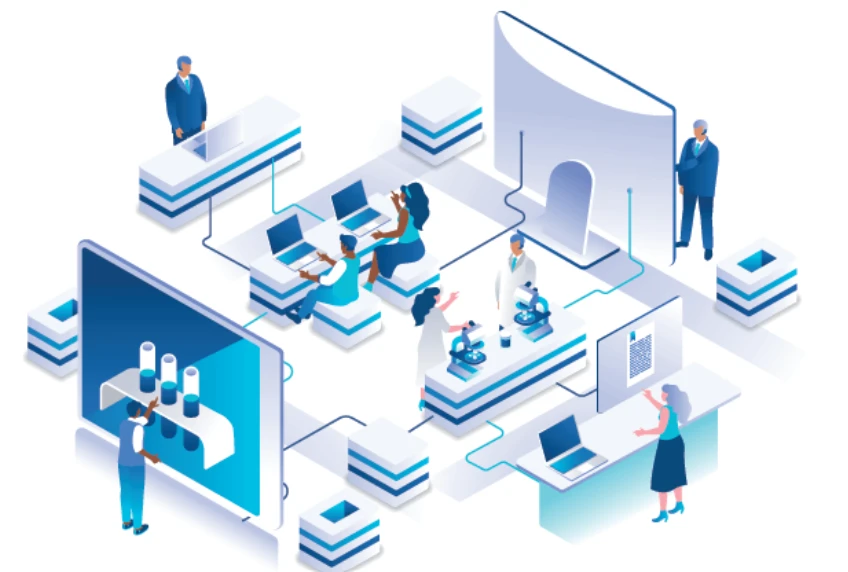
Cloud Business Solutions have emerged as a strategic pillar for modern enterprises seeking flexibility, scalability, and efficiency. As organizations navigate competitive markets and evolving customer expectations, cloud platforms provide a reliable foundation to streamline operations, reduce costs, and foster innovation.
The shift to cloud isn't just about data storage or computing power anymore. In 2025, it’s about integrated ecosystems that support analytics, automation, security, collaboration, and customer engagement—all under one digital roof.
Manufacturing: From Assembly Lines to Intelligent Automation
The manufacturing industry has long relied on legacy systems, but those are now being replaced by cloud-driven technologies that enhance production planning, supply chain visibility, and equipment maintenance.
Key Impact Areas:
- Smart Factory Integration: Cloud-based IoT platforms allow real-time monitoring of machinery, reducing downtime and improving product quality.
- Predictive Analytics: Leveraging cloud solutions, manufacturers can forecast demand patterns, optimize inventory, and enhance decision-making.
- Global Collaboration: Teams across continents access centralized data, design prototypes together, and manage operations from a unified cloud dashboard.
By transitioning to agile infrastructures, manufacturers are achieving faster time-to-market and reduced operational costs—two factors that are essential in a fast-moving global economy.
Retail: Redefining Customer Engagement and Supply Chain Agility
Retail businesses are embracing cloud technologies to personalize customer experiences and optimize backend operations. In 2025, the lines between online and offline retail have blurred, and cloud solutions help businesses adapt seamlessly.
What’s Changing:
- Personalized Shopping: Cloud-powered CRMs and AI engines track customer behavior, enabling tailored product recommendations and dynamic pricing models.
- Inventory Sync: Cloud platforms help retailers track inventory in real time across physical stores, warehouses, and e-commerce channels.
- Scalable E-commerce: Businesses can deploy digital storefronts rapidly and scale them based on seasonal demand, ensuring stability and performance.
Retailers that invest in cloud ecosystems are not only staying competitive but also delivering memorable, consistent experiences across touchpoints.
Healthcare: Enhancing Care and Data Accessibility
Cloud technologies are playing a vital role in transforming healthcare delivery. Hospitals, clinics, and health-tech startups are adopting cloud platforms for everything from patient records to remote diagnostics.
Major Advancements:
- Electronic Health Records (EHRs): Cloud platforms centralize patient data, making it accessible to doctors, specialists, and patients across different locations.
- Telemedicine: With secure cloud-based video platforms, doctors consult patients remotely without compromising care quality.
- Medical Research: Researchers use cloud-powered AI tools to process vast datasets, accelerating the development of drugs and treatment protocols.
By improving interoperability and data-driven care, cloud business solutions are enabling healthcare providers to focus more on patient outcomes and less on administrative burdens.
Finance: Driving Digital-First Banking and Security
The finance industry demands precision, speed, and airtight security. Cloud platforms are answering the call with advanced encryption, real-time analytics, and scalable infrastructure.
Where It Makes a Difference:
- Digital Banking: Cloud platforms power mobile banking apps, digital wallets, and payment gateways, offering round-the-clock access and frictionless transactions.
- Regulatory Compliance: Automated compliance tools built into cloud systems help financial institutions adhere to changing regulations without manual tracking.
- Fraud Detection: Machine learning algorithms hosted in the cloud analyze millions of transactions per second to detect fraud patterns instantly.
By empowering financial institutions to deliver secure, seamless, and user-friendly services, cloud technology is reshaping customer expectations around banking.
Education: Unlocking Access and Interactive Learning
The education sector continues to evolve with the support of cloud tools that enhance accessibility and engagement. Schools, universities, and training platforms use cloud technologies to create inclusive and dynamic learning environments.
Cloud-Powered Benefits:
- Learning Management Systems (LMS): Students and educators interact via cloud-based platforms that manage assignments, track progress, and facilitate discussions.
- Virtual Classrooms: Tools like video conferencing, real-time polls, and shared whiteboards are integrated into cloud platforms to mimic live teaching.
- Content Scalability: Educational institutions host and distribute learning materials globally without infrastructure limitations.
This shift ensures that learning can continue uninterrupted—regardless of geography or external circumstances—empowering students and educators alike.
Real Estate: Accelerating Transactions and Transparency
The real estate industry is also seeing rapid cloud adoption. Agents, brokers, developers, and buyers benefit from platforms that streamline listings, transactions, and customer interactions.
Transformative Effects:
- Virtual Property Tours: Cloud platforms host high-definition virtual tours, enabling buyers to explore properties remotely.
- Document Management: Smart cloud tools store contracts, agreements, and disclosures securely, allowing e-signatures and faster closings.
- CRM for Realtors: Real estate professionals use cloud-based CRMs to manage client communication, automate follow-ups, and gain deeper insights into leads.
These capabilities speed up transactions and reduce paperwork, providing a better experience for everyone involved in the buying or leasing process.
Logistics and Transportation: Enabling Real-Time Visibility
Transport and logistics companies are under pressure to deliver faster, more accurately, and with greater transparency. Cloud platforms are stepping in to connect fleets, track shipments, and optimize routing.
Crucial Innovations:
- Fleet Management: Cloud dashboards allow logistics managers to track vehicle location, fuel usage, and driver performance in real time.
- Shipment Tracking: Customers receive updates directly from cloud-connected systems, improving satisfaction and reducing inquiry volumes.
- Predictive Maintenance: Telematics and analytics forecast mechanical issues, minimizing service delays and costly repairs.
By connecting all moving parts through cloud solutions, logistics providers achieve operational excellence while staying responsive to customer needs.
Energy and Utilities: Powering Smarter Infrastructure
Cloud platforms are central to modernizing utility management and supporting green energy initiatives. Energy providers leverage cloud solutions to monitor consumption, manage grids, and support renewable transitions.
Key Applications:
- Smart Grids: Utilities collect and process usage data in real time, enabling efficient power distribution and outage management.
- Renewable Integration: Cloud systems support integration with solar, wind, and battery storage systems, optimizing output and grid balance.
- Consumer Insights: Customers use apps backed by cloud technology to monitor their usage, control smart devices, and receive energy-saving tips.
Cloud systems in the energy sector promote transparency, reduce waste, and support sustainability goals on a national scale.
Final Thoughts: Cloud as a Business Strategy, Not Just Technology
The evolution of cloud technology in 2025 isn’t just about innovation—it’s about transformation. Organizations that view the cloud as a strategic asset rather than a technical upgrade are leading their industries forward.
Each sector—whether healthcare, retail, finance, or logistics—is leveraging cloud tools to not only operate more efficiently but also to redefine customer experiences, reduce risk, and embrace change with confidence.
Adopting customized cloud business solutions enables companies to build exactly what they need, on their terms, and scale on demand. These tailored platforms aren't one-size-fits-all—they’re purpose-built ecosystems designed to grow with the business and adapt to changing industry demands
























Sign in to leave a comment.